
Milford Track Packing List — What to Bring NZ
Milford Track Packing List — What to Bring
The Milford Track is four days of stunning Fiordland scenery — and four days of some of the heaviest rainfall in New Zealand. Average annual rainfall at Milford Sound exceeds 6,000mm. When it rains, it really rains. Getting your gear right isn't about comfort; it's about safety and finishing the tramp in good shape.
This list is based on hut-to-hut tramping (Great Walks huts, not camping). You'll carry everything for four days, so pack weight matters — but cutting corners on waterproofing, footwear, or warmth is a mistake you'll feel by day two.
Boots
The Milford Track is well-formed but relentlessly wet. You'll cross streams, walk through mud, and spend long sections on uneven rocky terrain. Ankle support and genuine waterproofing are non-negotiable here — trail runners simply don't cut it on a four-day Great Walk with a full pack.
Our pick — Mens
The Salewa Mens Mountain Trainer Mid GTX ($538.99) is built for exactly this kind of terrain. Gore-Tex waterproofing, a stiff midsole for loaded carries, and aggressive grip on slippery rock. If you're doing one Great Walk and want boots that'll last years of tramping, this is the one.
Our pick — Womens
The Salewa Womens Mountain Trainer Mid GTX ($538.99) delivers the same performance in a women's-specific last. Same Gore-Tex protection, same technical outsole, properly fitted for women's feet.
Premium alternative
If you're putting in serious kilometres or want the most durable boot money can buy, the Crispi Nevada Legend GTX ($799.99) is a step up in stiffness and build quality. Worth considering if you've got multiple multi-day tramps planned.
Pack
You're carrying four days of food, clothing, and sleep gear. A 50–65L pack is the right range — enough volume without encouraging you to overload it. Fit matters enormously; a pack that transfers weight onto your hips correctly will feel half the weight of one that doesn't. Always try before you buy.
Our pick — Mens
The Deuter Aircontact Core 50+10 ($439.00) is hard to beat for value and fit. The Aircontact back system is one of the best load-transfer designs in the mid-range, and the 10L expansion gives you flexibility for layering extra gear. Comfortable from day one, not just after a break-in period.
Our pick — Womens
The Deuter Aircontact 50+10SL ($475.19) is the women's-specific version — shorter torso length, adjusted hip belt geometry, and the same excellent suspension. If you're between sizes, size down rather than up.
Other options
The Deuter Aircontact Core 55+10SL ($479.00) suits taller trampers who need a bit more torso length. On a tighter budget, the Lowe Alpine Mens Sirac Plus 65L ($349.99) and Lowe Alpine Womens Sirac Plus ND65L ($389.99) are solid packs at a lower price point. For ultralight-focused trampers (mens only), the Rab Muon 50L ($419.95) trims weight without sacrificing structure — note this is currently available in mens only.
Don't forget a pack liner or heavy-duty dry bag. Your pack cover will help, but on the Milford, water finds a way in. A separate liner protects your sleeping bag and clothes absolutely.
Rain Jacket
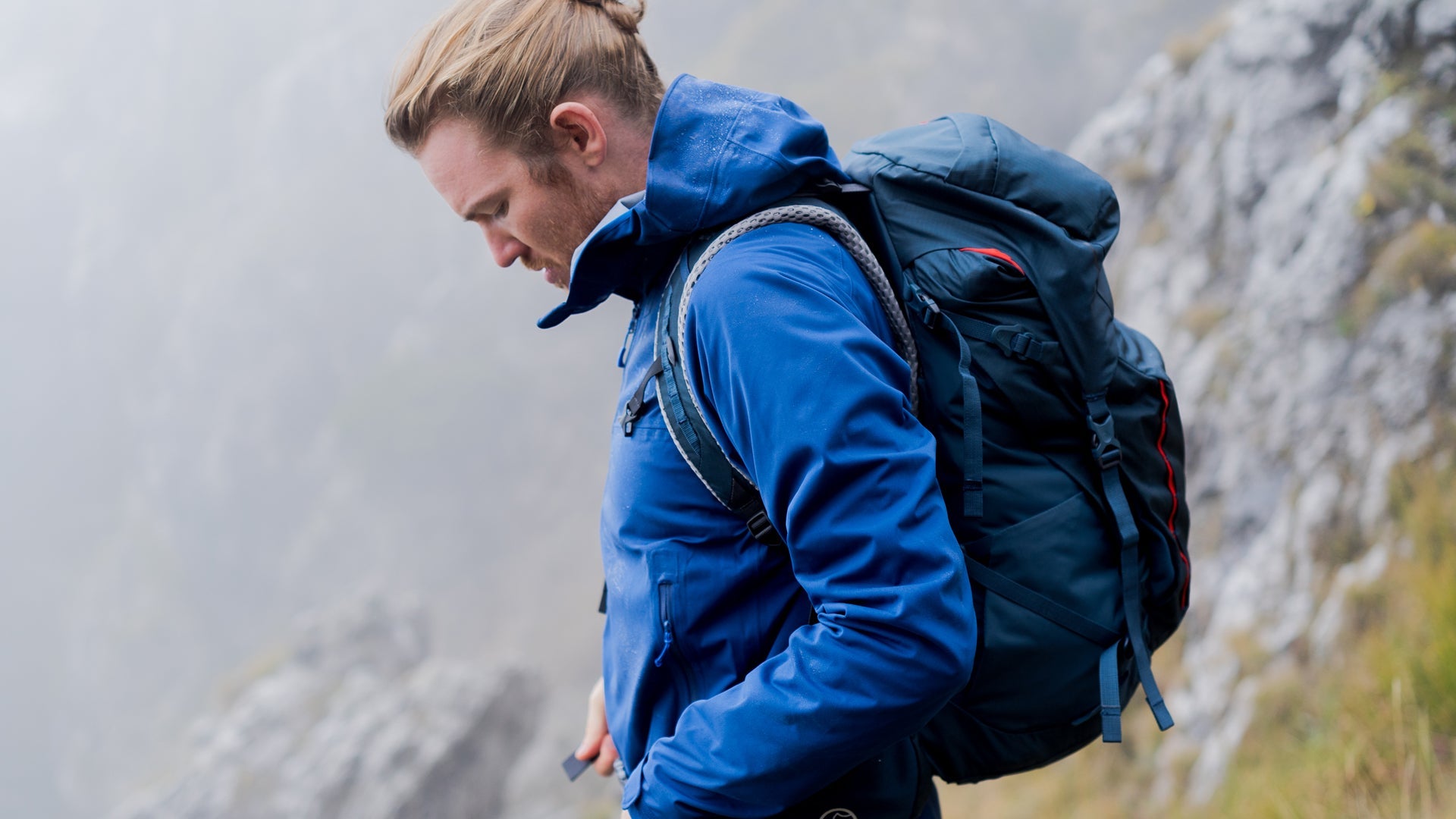
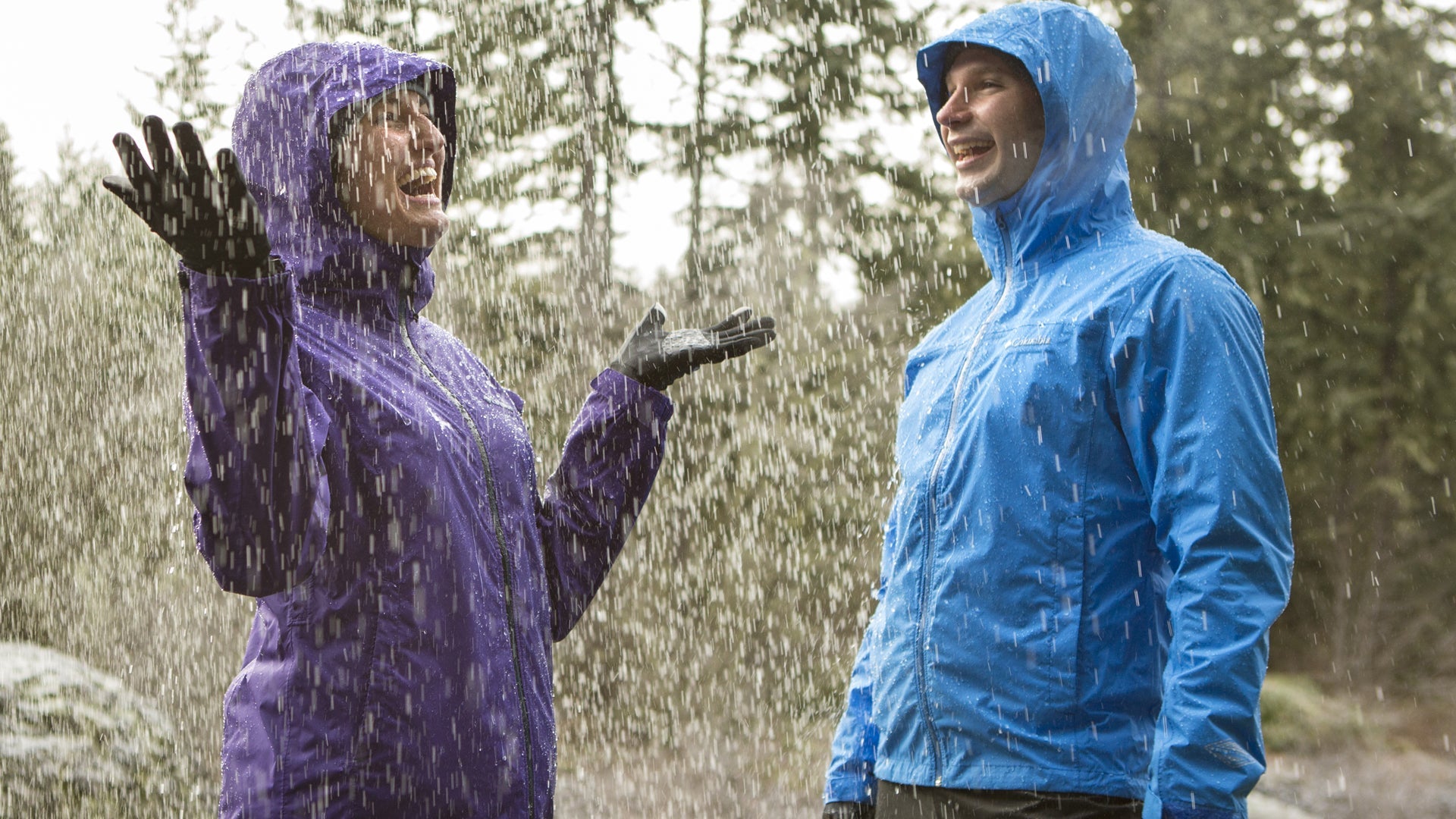
This is the single most important piece of clothing on the Milford Track. You will get rained on. Possibly for an entire day. A jacket that lets moisture through after two hours is useless; you need something that stays watertight and breathable across a full day of wet, hard tramping.
Our pick — Mens & Womens
The Peak XV Tornado Waterproof Jacket (Mens) ($299.99) and Peak XV Tornado Waterproof Jacket (Womens) ($299.99) are our go-to recommendation for both. Full waterproofing, excellent breathability, and a price that doesn't require a second mortgage. These jackets are purpose-built for sustained wet-weather tramping — not just showers.
Premium mens option
If you want the best protection available, the Rab Kangri GTX Jacket ($701.96) uses Gore-Tex Pro fabric — the most durable and breathable Gore-Tex construction available. Worth every dollar if you're tramping regularly in Fiordland conditions. For a lighter carry with similar protection, the Rab Kangri GORE-TEX PACLITE+ ($559.99) is the packable version. Note: the Kangri range is currently available in mens only — the Peak XV Tornado Womens is the recommended choice for women.
Insulated Layer
Even in summer, Fiordland huts can get cold at night and the weather can turn at any time. Carry a synthetic or down insulated jacket — one that you can layer under your rain jacket during cold, exposed sections. Keep it in a dry bag inside your pack so it's dry when you need it.
The Rab Microlight Alpine Jacket (RRP $399.95) is a popular choice — packable 750-fill down in a lightweight shell, suited to NZ hut-to-hut tramping.
Note: an insulated jacket is a mid-layer for warmth, not a substitute for a waterproof rain jacket. These are two separate items.
Sleeping Bag
Great Walks huts provide mattresses but not bedding. You need your own sleeping bag. The huts are insulated, but temperatures vary — especially at Mintaro Hut and in shoulder season.
Our picks
The One Planet Nitrous -3 ($549.99) is the right call for November through April. Rated to -3°C comfort, it handles the Milford's shoulder-season chill without being overkill in warmer months. For late season, winter bookings, or cold sleepers, step up to the One Planet Cocoon -8 ($649.99) or the One Planet Sonder -8 for maximum warmth.
One Planet sleeping bags are made in Australia and built for Southern Hemisphere conditions. They're a cut above most imports at equivalent price points.
Sleep Mat
Great Walks huts have bunks with foam mattresses, so a sleep mat isn't strictly mandatory — but if you're a light sleeper or the huts are crowded, a thin inflatable mat adds meaningful comfort. It also serves as padding on longer rest stops during the day.
The Peak XV Hyperlite 4.9R ($199.99) weighs just 445g and packs down small — a smart choice when you're already carrying four days of gear. If you want maximum warmth and cushion, the Rab Ultrasphere 5 ($249.00) is even lighter at 345g with an R-value of 5.
Socks
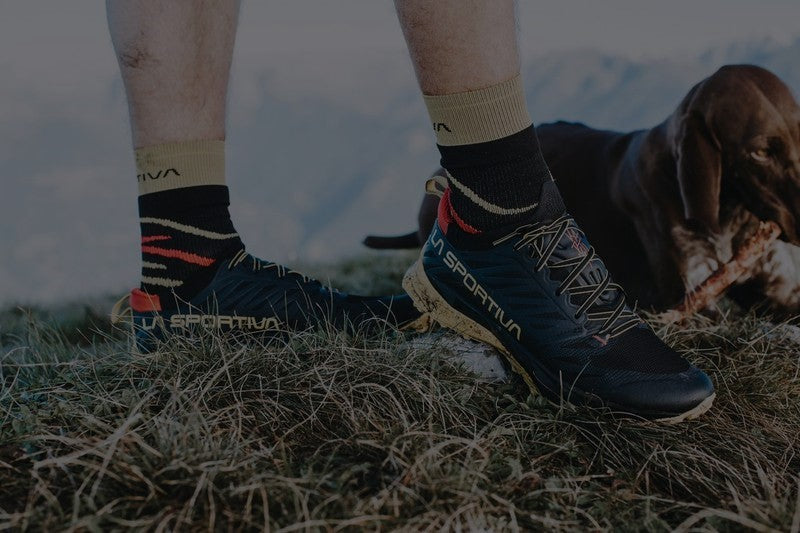
Blisters can end a tramp. Wool socks wick moisture, resist odour across multiple days, and cushion far better than synthetics. Carry at least three pairs and rotate them — wet feet cause blisters even in good boots.
- Bridgedale Hike Mid Merino Com-Fit — $56.99 — the everyday choice, good cushioning for full-day carries
- Bridgedale Explorer Heavy Merino Com-Fit — $64.99 — extra cushioning for those prone to blisters or carrying heavier packs
- Wrightsock Blisterproof Adventure Crew — $47.90 — double-layer construction that mechanically prevents blisters; a good option if you've struggled with foot issues before
Gaiters
On the Milford Track, gaiters earn their weight. Muddy sections, stream crossings, and low scrub make low gaiters almost essential — especially in wet seasons. They keep mud and debris out of your boots and help your footwear stay drier longer.
The Rab Kangri Gore-Tex Gaiters ($127.96) are properly waterproof, durable, and worth the investment if you're doing any regular tramping in Fiordland or Westland.
Complete Packing List
Clothing
- Waterproof rain jacket (see above)
- Insulated jacket (down or synthetic)
- Mid layer (fleece or softshell)
- Merino wool base layer tops × 2
- Tramping trousers or convertible pants
- Waterproof overtrousers
- Merino wool socks × 3 pairs
- Gaiters
- Warm hat and sun hat
- Gloves (lightweight)
- Camp shoes or sandals (optional but appreciated at huts)
Pack & Carry
- Pack (50–65L) with pack liner or internal dry bags
- Pack cover (additional waterproofing)
- Trekking poles (optional, but useful on steeper descents)
Sleep
- Sleeping bag (-3°C or warmer)
- Sleep mat (optional in Great Walks huts, but useful)
Safety & Navigation
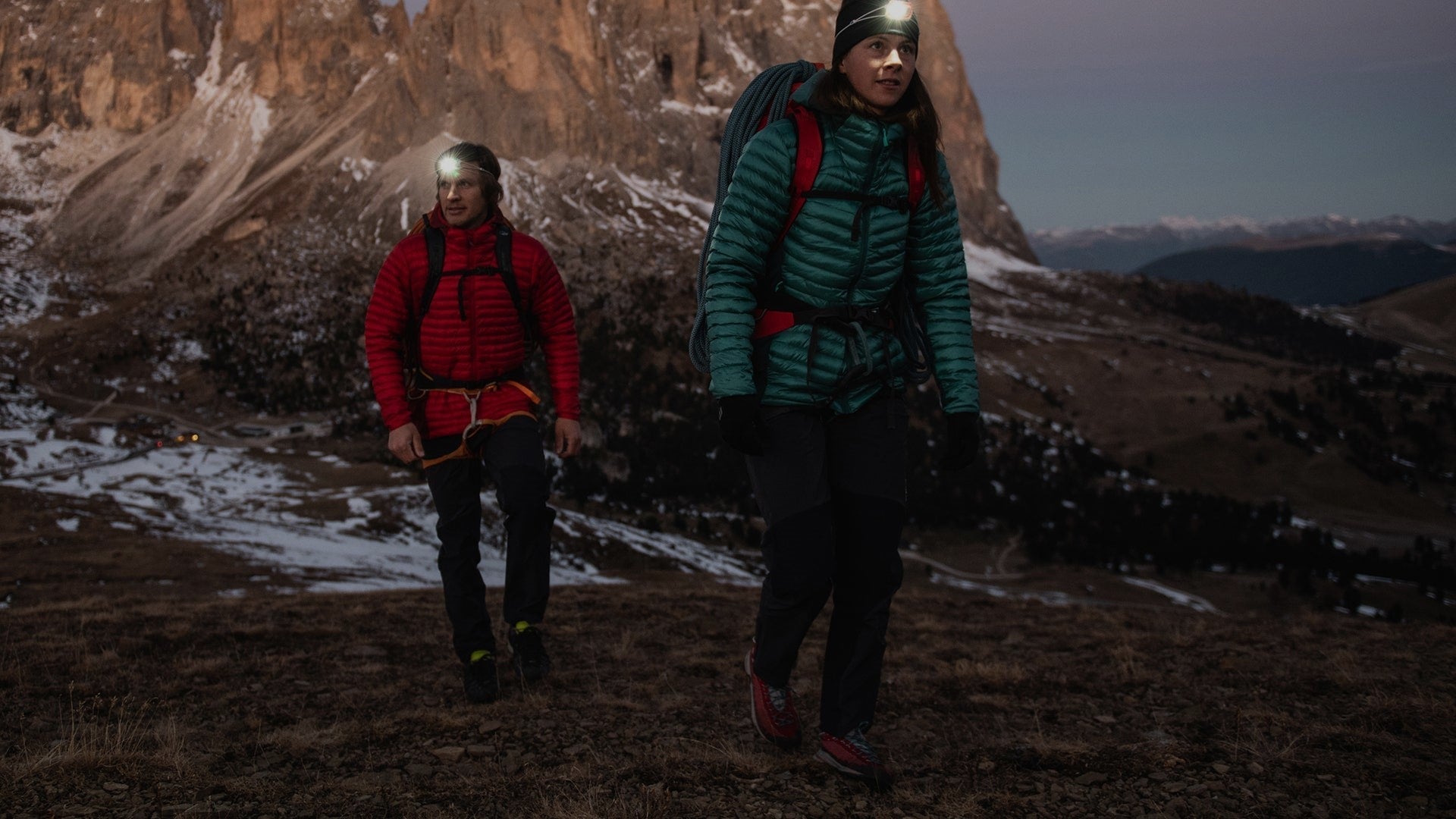
- Headlamp + spare batteries
- First aid kit
- Personal locator beacon (PLB) — mandatory in Fiordland conditions
- Great Walks pass and booking confirmation
- Track map (DOC provides these, but carry your own)
- Whistle
Food & Water
- Four days of food (huts have cooking facilities, no food supplied)
- Cooking stove + fuel (or plan on cold food)
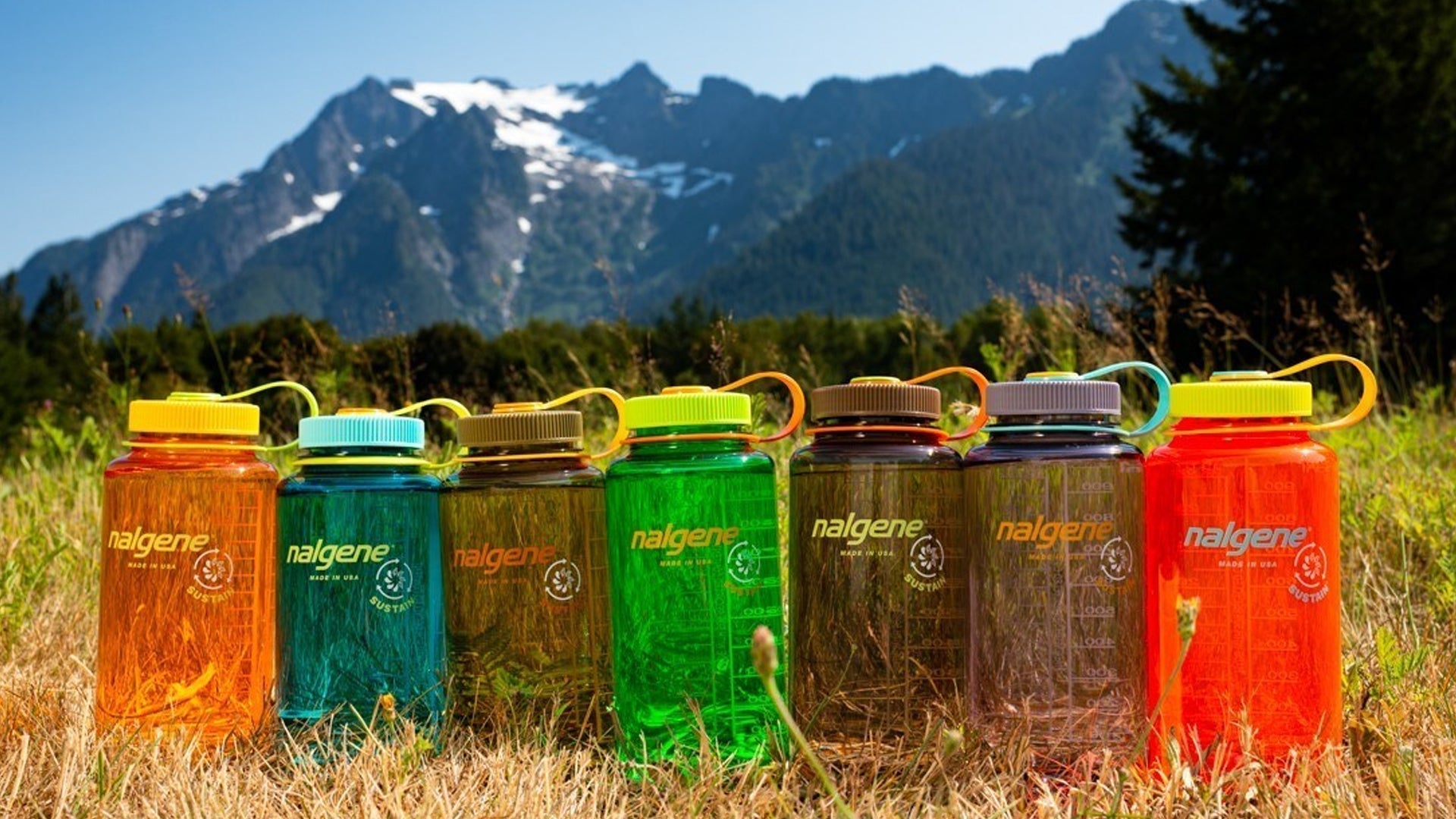
- Water bottle or hydration bladder (water is available at huts)
- Water filter (backup — streams are generally clean but be cautious)
- Eating utensils and mug
Toiletries & Sundries
- Sunscreen and lip balm (yes, even in Fiordland — UV is intense when it clears)
- Insect repellent (sandflies are brutal near Milford Sound)
- Toilet paper and trowel (huts have toilets, but be prepared)
- Hand sanitiser
- Lightweight towel
- Phone and charging cable
- Camera (if separate from phone)
- Earplugs (hut etiquette)
What to Leave Behind
Weight is the enemy on a four-day tramp. Leave behind: heavy cotton clothing (useless when wet), jeans, full-sized toiletry bottles, more than one book, and anything that doesn't serve a clear purpose. Every gram adds up over 54km.
Other NZ Track Gear Guides
Planning another NZ tramp? Browse our full library of track gear guides:
- Routeburn Track Gear List
- Kepler Track Gear List
- Heaphy Track Gear List
- Abel Tasman Coast Track Gear List
- Tongariro Alpine Crossing Gear List
- Rakiura Track Gear List
- Queen Charlotte Track Gear List
- Paparoa Track Gear List
- Whanganui Journey Gear List
- Lake Waikaremoana Track Gear List
Frequently Asked Questions
What should I wear on the Milford Track?
Layer up: merino wool base layer, a mid layer (fleece or insulated jacket), and a waterproof shell as your outer layer. Avoid cotton entirely — it absorbs moisture and doesn't dry out. Waterproof overtrousers are strongly recommended; don't rely on just your shell jacket to keep your legs dry on a full-day rain event.
How heavy should my pack be?
Aim for 12–16kg fully loaded (including food and water). Lighter is better — every unnecessary kilogram compounds over four days. If you're above 18kg, audit what you can cut. The most common culprits: too many clothes, heavy footwear kept in the pack, and oversized cooking gear.
How much does it rain on the Milford Track?
A lot. Milford Sound receives over 6,000mm of rain per year — one of the highest rainfall rates in the world. Statistically, you will encounter rain on a four-day tramp. Plan for full rain days, not just showers. This is why waterproof gear (jacket, overtrousers, pack liner, gaiters) is essential rather than optional.
Is the Milford Track guided or independent?
Both options exist. Independent trampers book DOC Great Walks huts (open November to April) and walk the track self-sufficiently. Guided walks are offered by Ultimate Hikes and include private lodge accommodation. Independent is significantly cheaper; guided is considerably more comfortable. Either way, bookings are essential and sell out months in advance.
How do I get to the start of the Milford Track?
The track starts at Glade Wharf, accessible only by boat from Te Anau Downs. You'll need to arrange transport from Te Anau (coach) and a boat connection across Lake Te Anau. The track finishes at Sandfly Point, from which a ferry takes you to Milford Sound. Return transport to Te Anau is by coach or scenic flight. Book all transport at the same time as your hut passes.