



Whanganui Journey: Packing and Safety Guide
This is a river journey, not a walking track
The Whanganui Journey is completed by canoe or kayak. It requires paddling competence, confident swimming, suitable group support and the ability to manage a capsize or changing river conditions. Read the current DOC Whanganui Journey page, arrange an approved operator where needed and confirm the river level and forecast immediately before departure.
DOC recommends travelling with at least two people. Less-experienced or solo paddlers should use a guided option. Do not treat a general packing list as a substitute for instruction or an operator briefing.
Wear the safety equipment
Wear a correctly fitted personal flotation device whenever you are on the river. Follow the operator’s requirements for helmets, craft, paddles, bailers, throw lines and securing loads. Equipment stored in the boat cannot help if it is inaccessible after a capsize, so keep essential emergency items attached to you as instructed.
Use layered waterproof packing
Assume every boat can take on water. Place sleeping gear, dry clothing, medication and electronics in sealed inner dry bags, then secure them inside the supplied barrels or load system. Confirm exactly what the operator supplies before buying or packing containers.
Pack for cold, wet delays
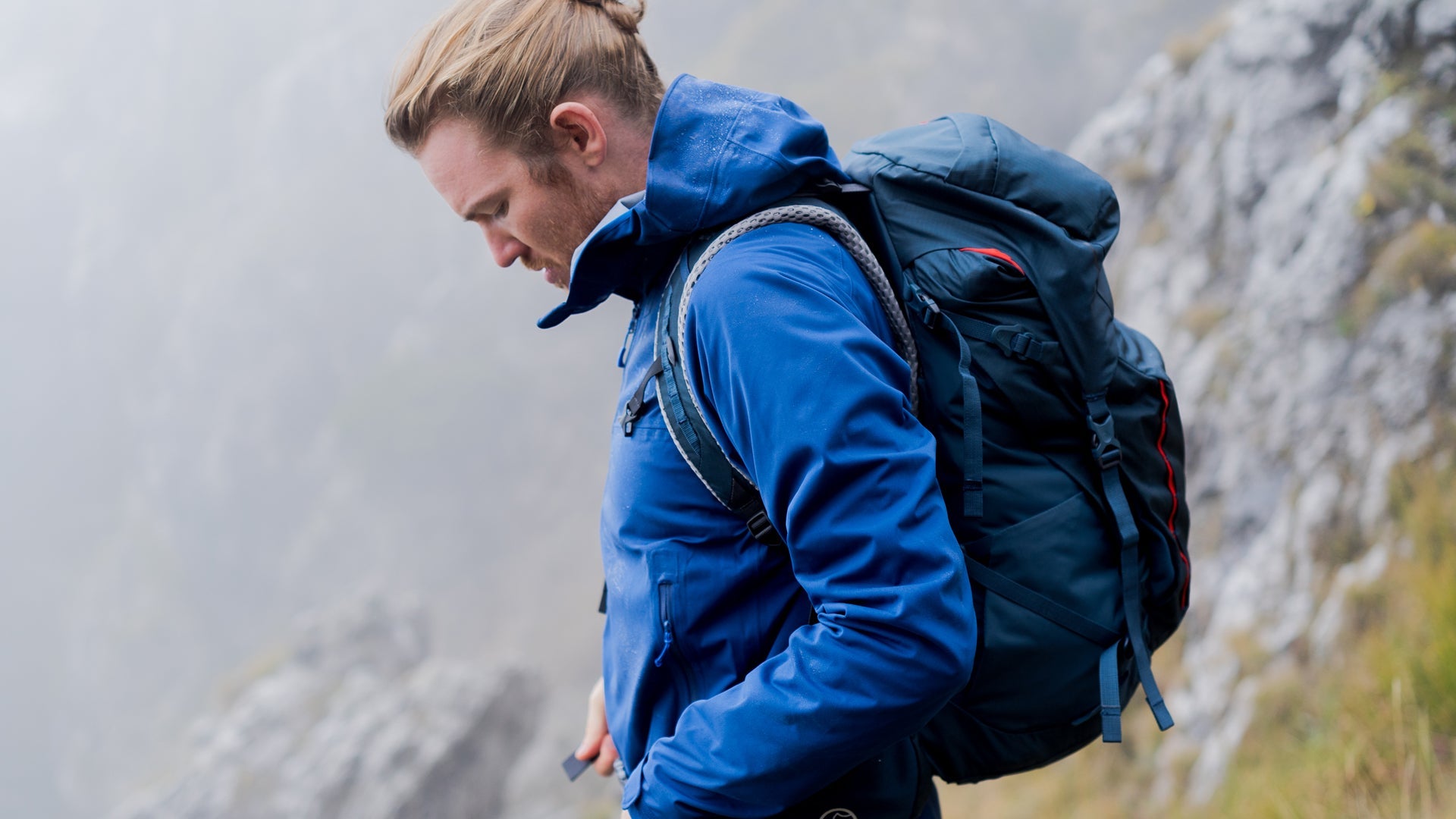
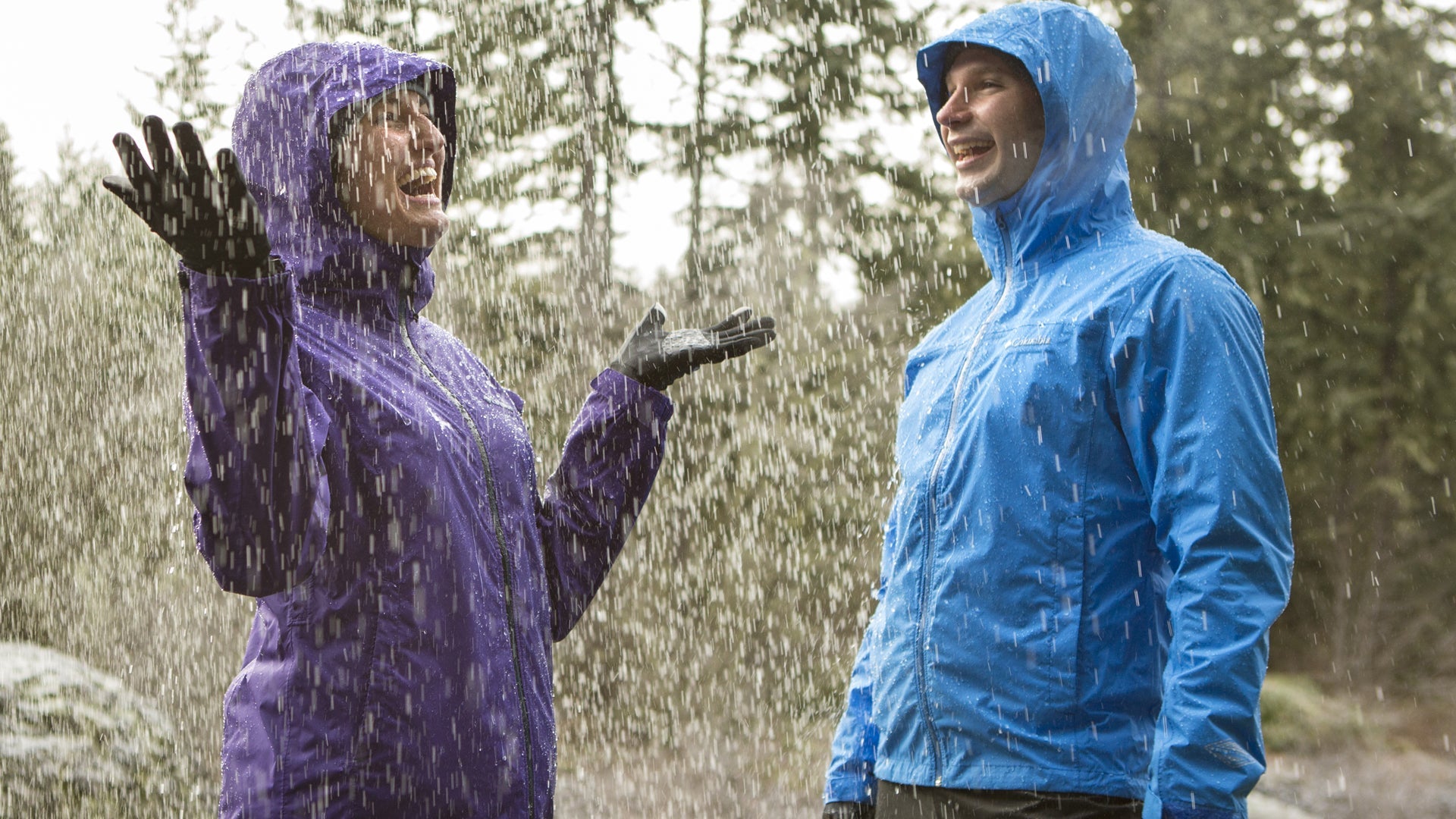
- Waterproof jacket and trousers appropriate to sustained exposure.
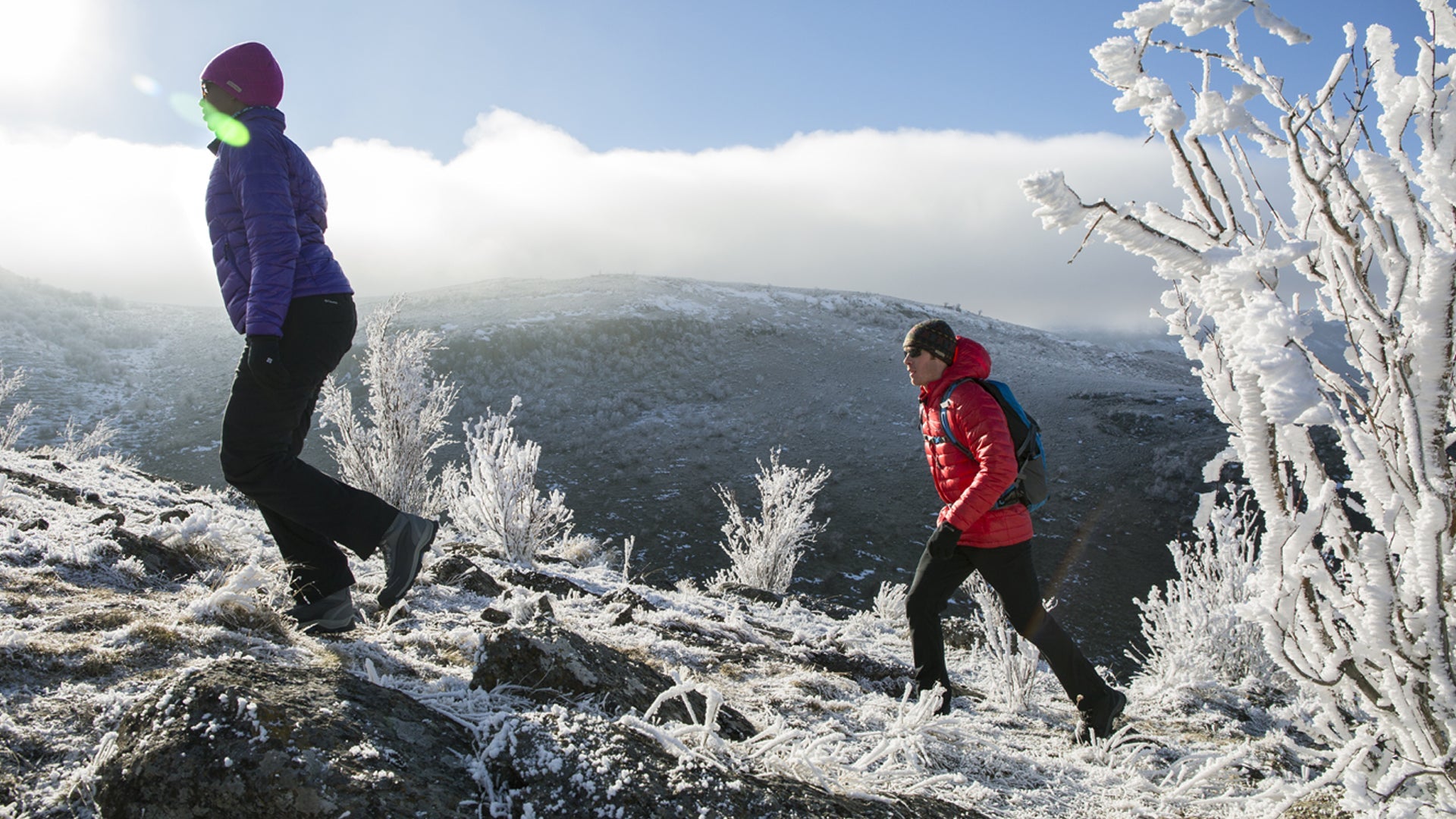
- Warm quick-drying layers and a completely dry change for camp.
- Food, extra food, drinking-water treatment and the required cooking kit.
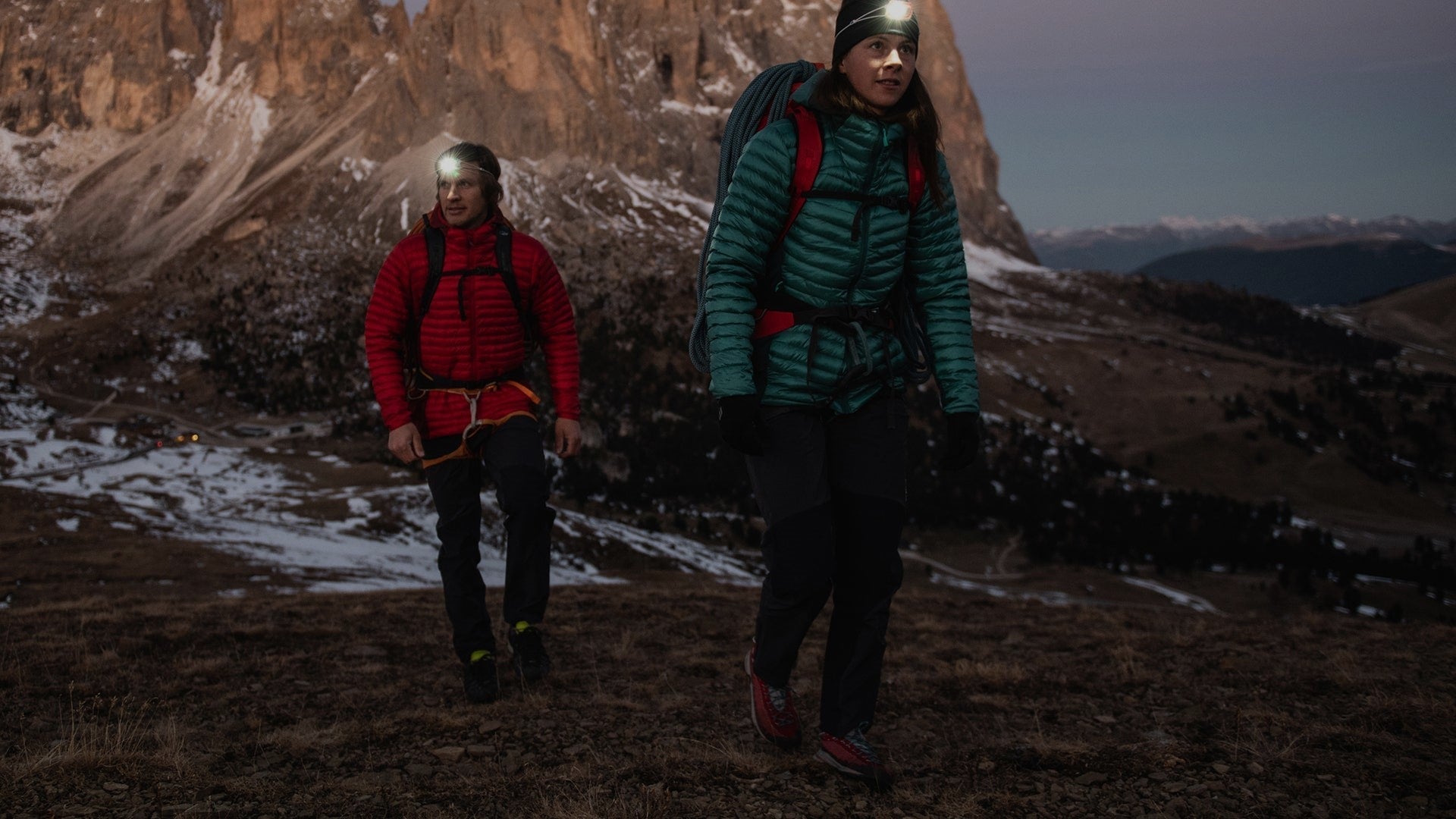
- Sun protection, insect protection, first aid, medication and a head torch.
- Sleeping gear and shelter appropriate to booked huts or campsites.
Browse current rain jackets and sleeping bags, then confirm suitability with the trip operator. A product specification does not replace river experience.
Plan communications and respect the river
Mobile coverage is not reliable. Carry a registered distress beacon, know how to activate it and leave a detailed journey plan with a trusted contact. Respect Te Awa Tupua, cultural sites, private land, campsite rules and all operator and DOC instructions.
Final check
Confirm bookings, group competence, river conditions, weather, operator equipment, load security, emergency communication and the latest DOC alerts before launching. In winter, DOC advises that the journey is suitable only for experienced parties with cold-water and high-flow capability.