
Kepler Track Gear List 2026 — What to Pack for the Kepler
Kepler Track Gear List 2026 — What to Pack for the Kepler
The Kepler Track is one of New Zealand's best Great Walks — a 60km circuit from Te Anau through beech forest, across exposed alpine ridgeline above the bushline, down through Fiordland's dramatic valleys, and back along the shores of Lake Te Anau. It is beautiful, demanding in places, and located in one of the wettest corners of New Zealand. What you pack for the Kepler matters more than on more sheltered Great Walks.
The Kepler in Brief
The Kepler Track is a 60km loop starting and finishing near Te Anau township. Most trampers complete it in 3-4 days using DOC's three huts: Luxmore (1,085m), Iris Burn, and Moturau. The track has distinct character: well-formed forest and lake-edge trail, a dramatic alpine section across exposed ridgeline between Luxmore and Iris Burn Huts, and lowland river flats near the end. The alpine section — roughly 8-9km above the treeline — is the defining section of the Kepler and requires the most preparation.
What Makes the Kepler Different
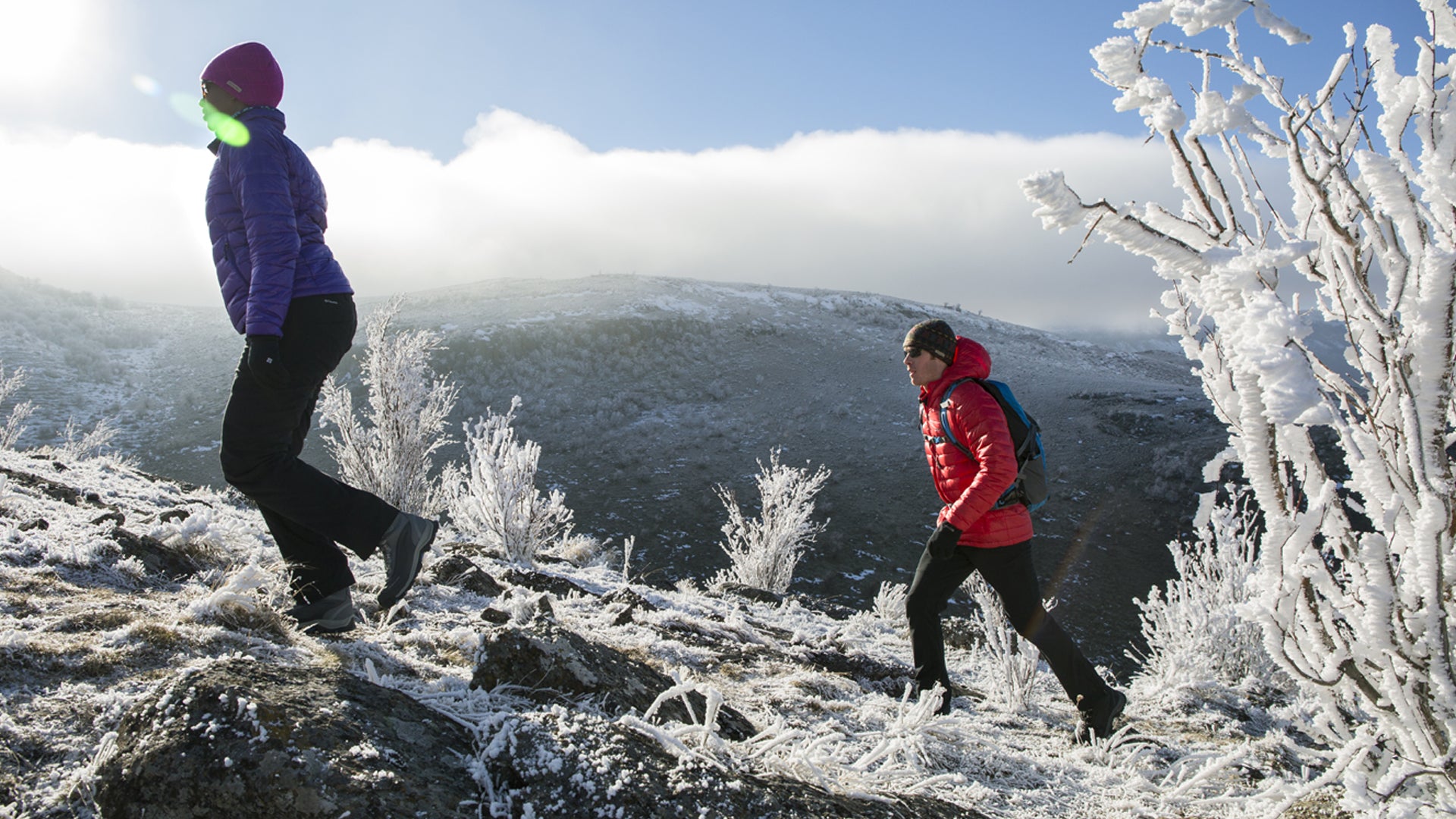
Unlike the Abel Tasman (lowland and coastal) or the Milford (mostly valley tramping), the Kepler crosses genuine alpine terrain. Luxmore Hut sits at 1,085m. The ridge walk between Luxmore and Iris Burn passes through terrain that can have snow in any month. The alpine section is completely exposed to wind and weather — there is no shelter for several kilometres. Bad weather on this section requires good gear and confident navigation.
This is not a reason to avoid the Kepler — in good conditions it is one of the most spectacular days' walking in New Zealand. But it does mean your gear list needs to include proper alpine layers, not just a sun hat and light shell.
Footwear
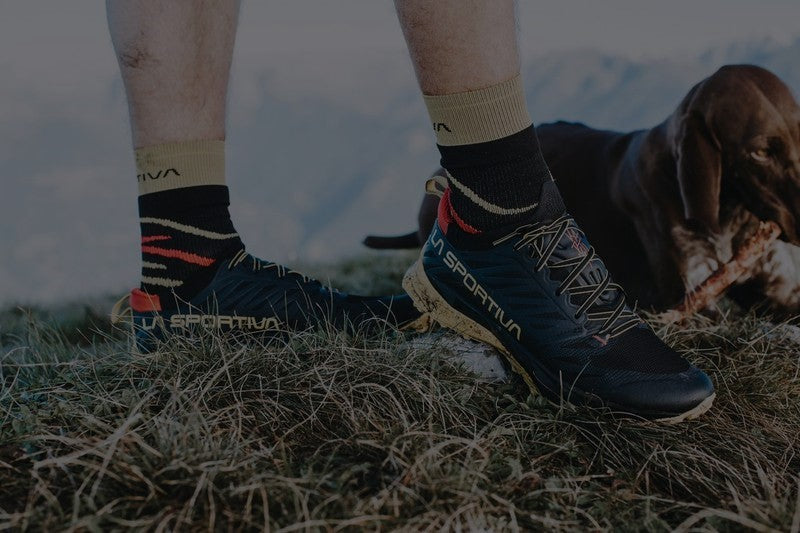
The Kepler demands more from your boots than flatter Great Walks. The alpine terrain is rocky and can be wet or icy. A mid to heavyweight tramping boot with ankle support and a waterproof lining (GORE-TEX or equivalent) is the right choice. Brands like Salewa and La Sportiva offer durable, well-supported options for NZ's varied tramping terrain. Whatever brand you choose, break your boots in well before the track.
Trail runners are popular on the Kepler but carry more risk on wet rocky terrain. If you are not already an experienced trail runner in mountain terrain, boots are the safer choice.
Browse our hiking boots range.
Pack
You need a 50-65L pack for 3-4 days on the Kepler. You will carry food, clothing layers, a sleeping bag, and personal gear. The Deuter Aircontact Core 50+10 is an excellent choice — its back system carries heavy loads comfortably on the varied terrain, and the 10L extension gives flexibility if you are carrying extra layers or a larger sleeping bag.
Pack your rain jacket and a mid-layer at the top of your pack or in an outer pocket — you will need them quickly on the alpine section and do not want to be unpacking your entire bag in deteriorating weather.
See our full hiking packs range.
Sleeping Bag
Luxmore Hut is the coldest on the Kepler — at 1,085m, night temperatures can drop below freezing in shoulder season. For summer (December-February), a sleeping bag rated to 0°C is the minimum. For spring and autumn, aim for -5°C or lower. The One Planet Nitrous and One Planet Sonder are reliable choices well suited to NZ hut temperatures.
Huts provide mattresses and pillows, but not sleeping bag liners or sheets — bring your own liner if you want extra warmth.
Browse our sleeping bags range.
Clothing Layers
This is where the Kepler differs most from lowland Great Walks. Build your layers fully:
- Base layer: Midweight merino top and bottom. Merino handles the activity-to-rest transitions on the alpine section better than any alternative.
- Mid-layer: A 200-weight fleece or insulated jacket. Many trampers carry both — fleece for active use, down jacket for Luxmore Hut evenings and the windiest ridgeline sections.
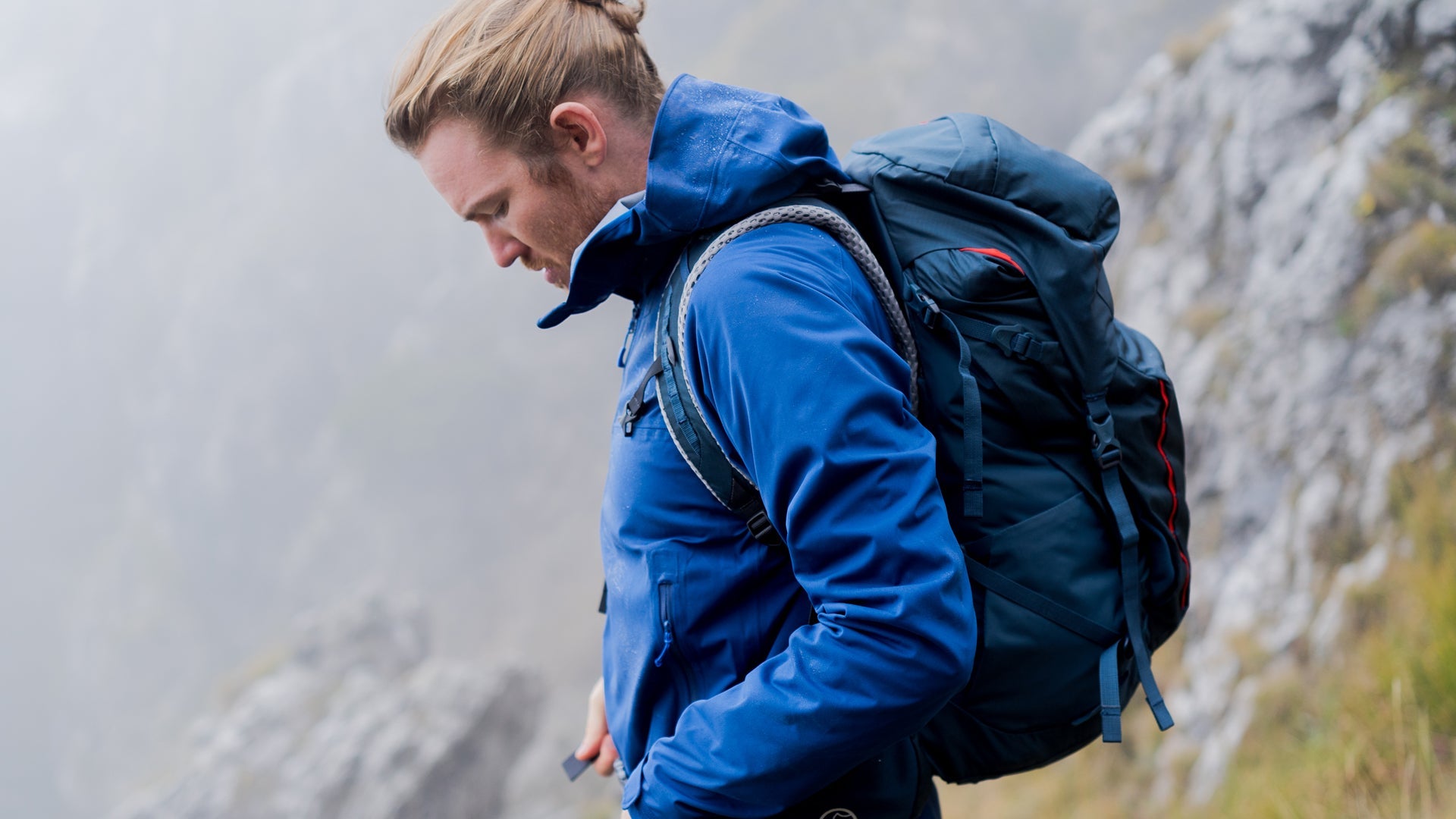
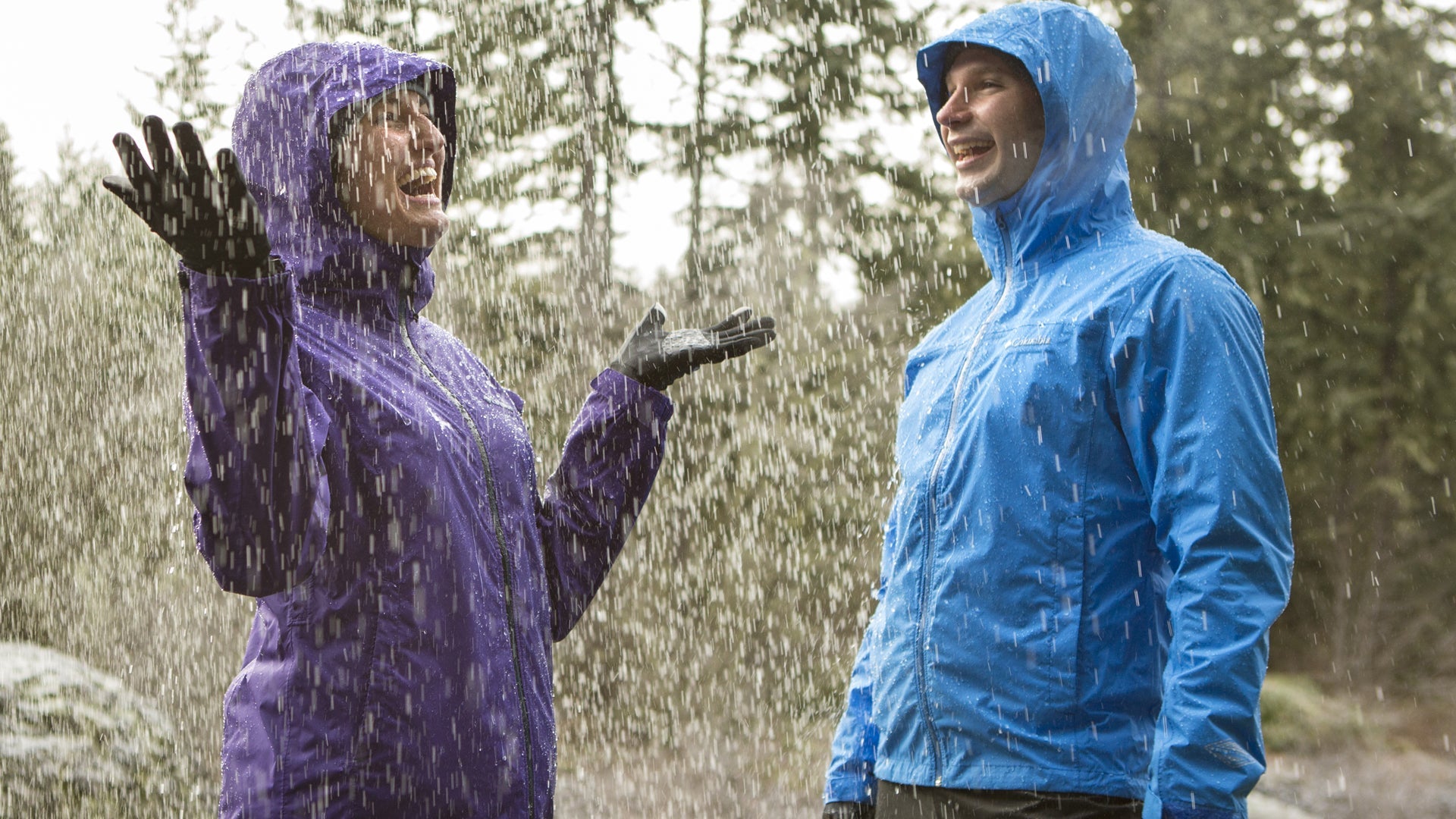
- Outer shell: A full waterproof hardshell jacket with at least 20,000mm HH and fully taped seams. In Fiordland, your shell will earn its keep. The Peak XV Tornado is the right choice for most Kepler trampers. If budget allows and you want more technical performance, the Rab Kangri GORE-TEX is the premium option.
- Waterproof pants: Do not skip these. Wet legs in wind on the exposed ridgeline is a genuine hypothermia risk.
- Warm hat and gloves: Required for the alpine section, regardless of season. A buff or neck gaiter adds useful warmth on the ridge.
Browse our rain jackets.
Hiking Poles
Strongly recommended for the Kepler. The descent from the ridge to Iris Burn Hut is steep and technical in places — poles protect your knees significantly on the long downhills. The Peak XV Cork & Carbon Hiking Poles are an excellent choice: lightweight carbon shaft, comfortable cork grip, lever-lock adjustment. For a compact option that stows when not needed, the Peak XV Traveller Cork & Carbon Folding Poles pack down small for easy storage on flatter sections.
Navigation and Safety
- Downloaded offline maps (Topo50 via NZ Topo app or similar) — essential for the alpine section in poor visibility.
- PLB (Personal Locator Beacon) — mandatory thinking for any Fiordland tramp. Available to hire.
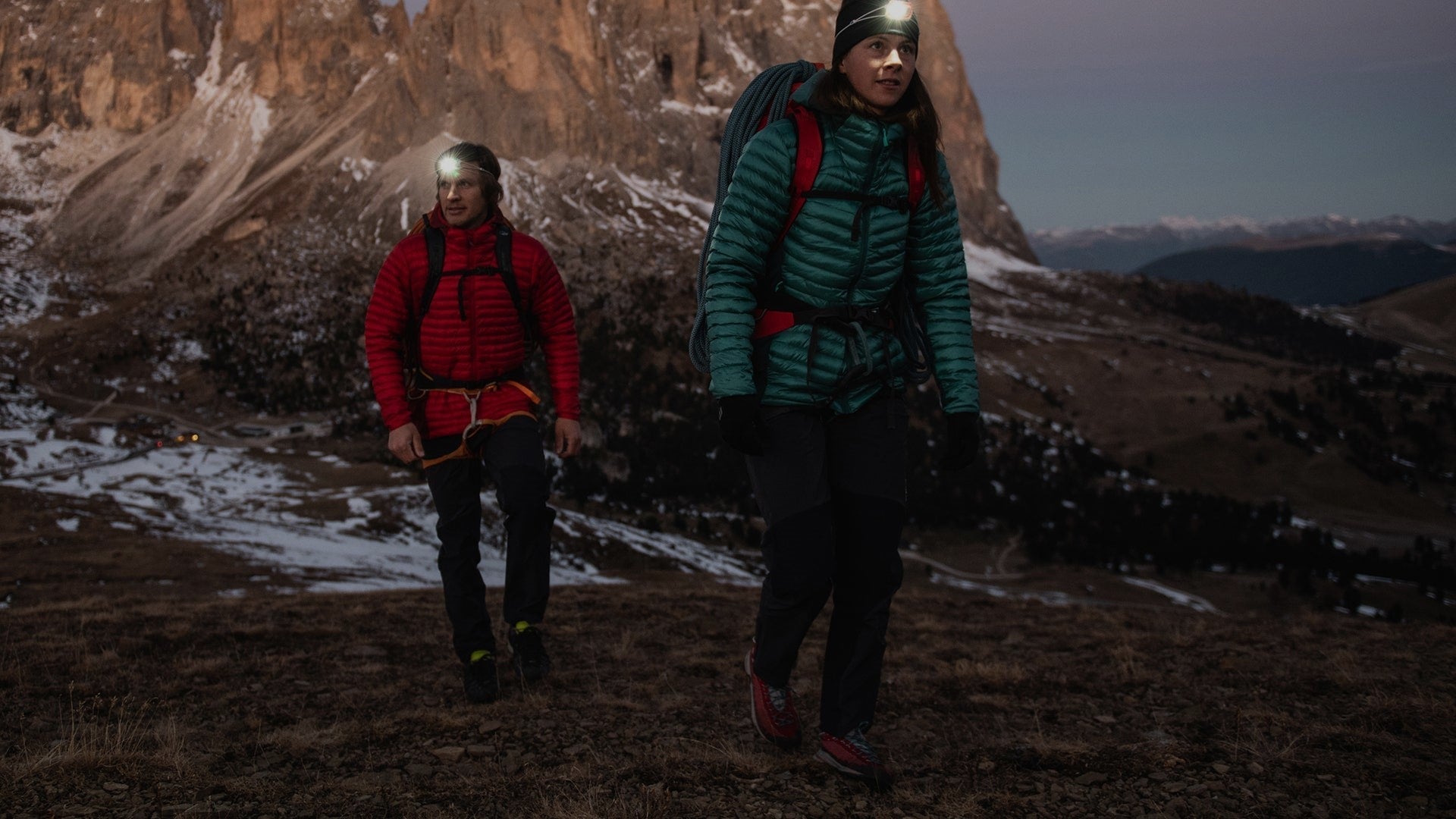
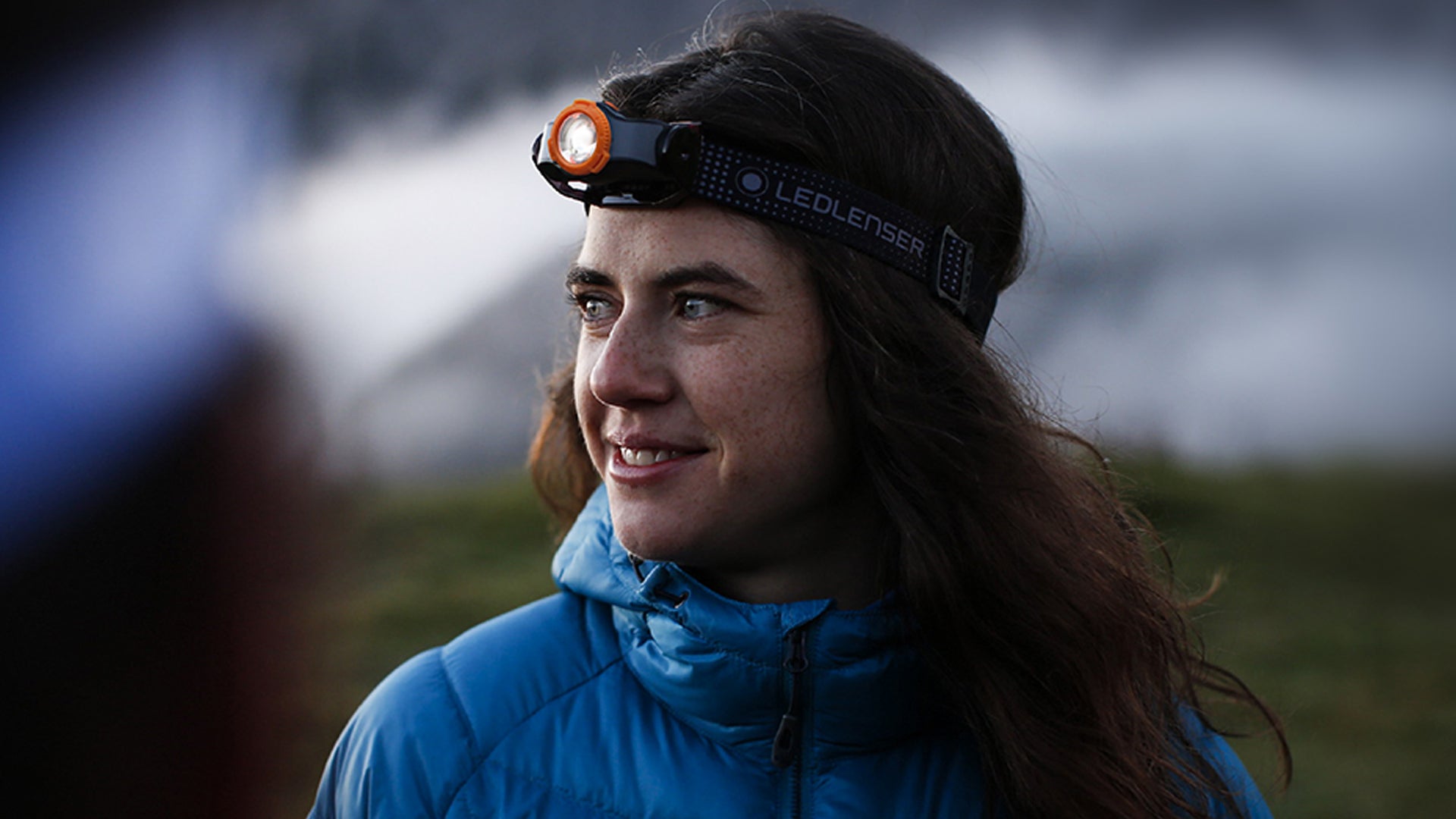
- Headlamp: Required for early starts or if your day runs long. The Nitecore NU25 and Nitecore UT27 Pro are reliable lightweight options.
- First aid kit — blisters, strains, and minor cuts are the most common Kepler injuries.
Seasonal Considerations
Summer (December-February): The most reliable weather window. Lighter layers adequate on warm days. Still carry full waterproofs — Fiordland doesn't do predictable.
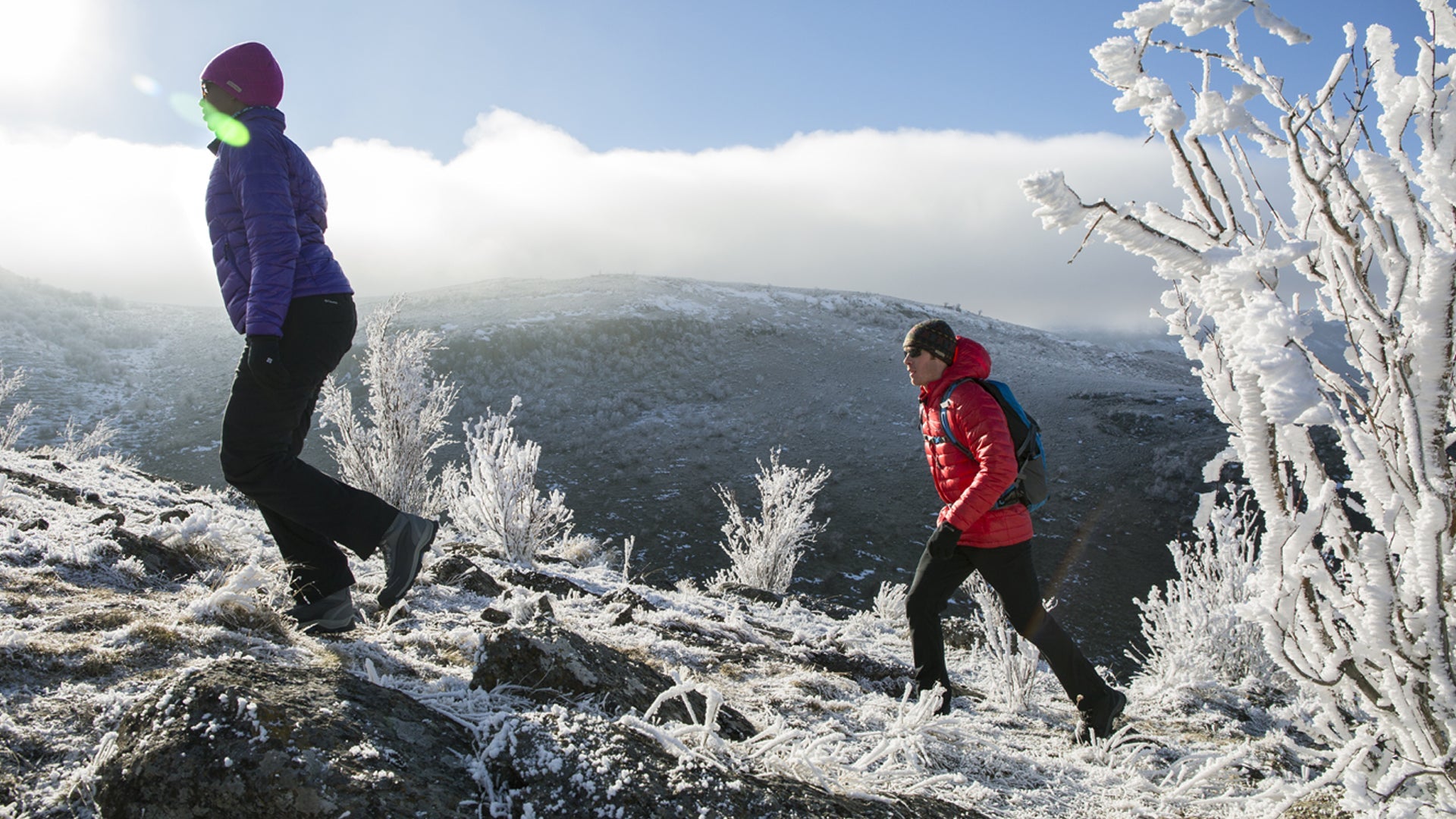
Shoulder season (October-November, March-April): Excellent conditions often possible, but colder and more changeable. Full alpine layers required. Snow possible on the ridgeline.
Winter (May-September): The Kepler is open year-round but the alpine section is a serious undertaking in winter, potentially requiring crampons and ice axe. Winter trampers must be experienced in alpine conditions.
Other NZ Track Gear Guides
Planning another NZ tramp? Browse our full library of track gear guides:
- Milford Track Gear List
- Routeburn Track Gear List
- Heaphy Track Gear List
- Abel Tasman Coast Track Gear List
- Tongariro Alpine Crossing Gear List
- Rakiura Track Gear List
- Queen Charlotte Track Gear List
- Paparoa Track Gear List
- Whanganui Journey Gear List
- Lake Waikaremoana Track Gear List