
Abel Tasman Track Gear List 2026 — What to Pack

Abel Tasman Track coastal walk NZ — turquoise water and sandy shore

The Abel Tasman is the most popular Great Walk in New Zealand, and it earns that title every season. Sixty kilometres of golden-sand beaches, turquoise bays, and coastal forest through Abel Tasman National Park in the Nelson region — done over three to five days, with DOC huts or campsites along the route. It's accessible, stunning, and genuinely enjoyable for trampers of most fitness levels.

But packing for the Abel Tasman isn't quite the same as packing for other Great Walks. The track sits at relatively low altitude, the terrain is far less severe than Fiordland or the Routeburn, and the conditions — while still variable — are generally milder. At the same time, it has its own quirks: tidal crossings that require timing, sandflies in serious numbers, exposed UV on open beach sections, and coastal weather that can turn without much warning. This abel tasman track gear list covers everything you need, and flags what you can leave behind.

Pack Size — Go Lighter Than You Think

Most alpine Great Walks call for a 50–65L pack to carry sufficient insulation, wet-weather layers, and emergency gear for genuinely harsh conditions. The Abel Tasman is different. Lower altitude, shorter daily distances, milder temperatures, and (if you're hut-based) no sleeping mat to carry means you can comfortably do this track with a 45–60L pack.

If you're doing a section walk or using water taxis to cover parts of the route, the Deuter Futura 27 at $275 is worth serious consideration. It's a well-ventilated 27L pack with a floating back panel that keeps air circulating on warm coastal days — ideal when you're not carrying full multi-day gear. For the full track with camping nights, step up to the Deuter Aircontact Core 50+10. The extendable lid gives you useful extra volume when you need it without the pack feeling oversized on lighter days.

Browse the full range at Dwights hiking packs.

Rain Jacket — Still Essential

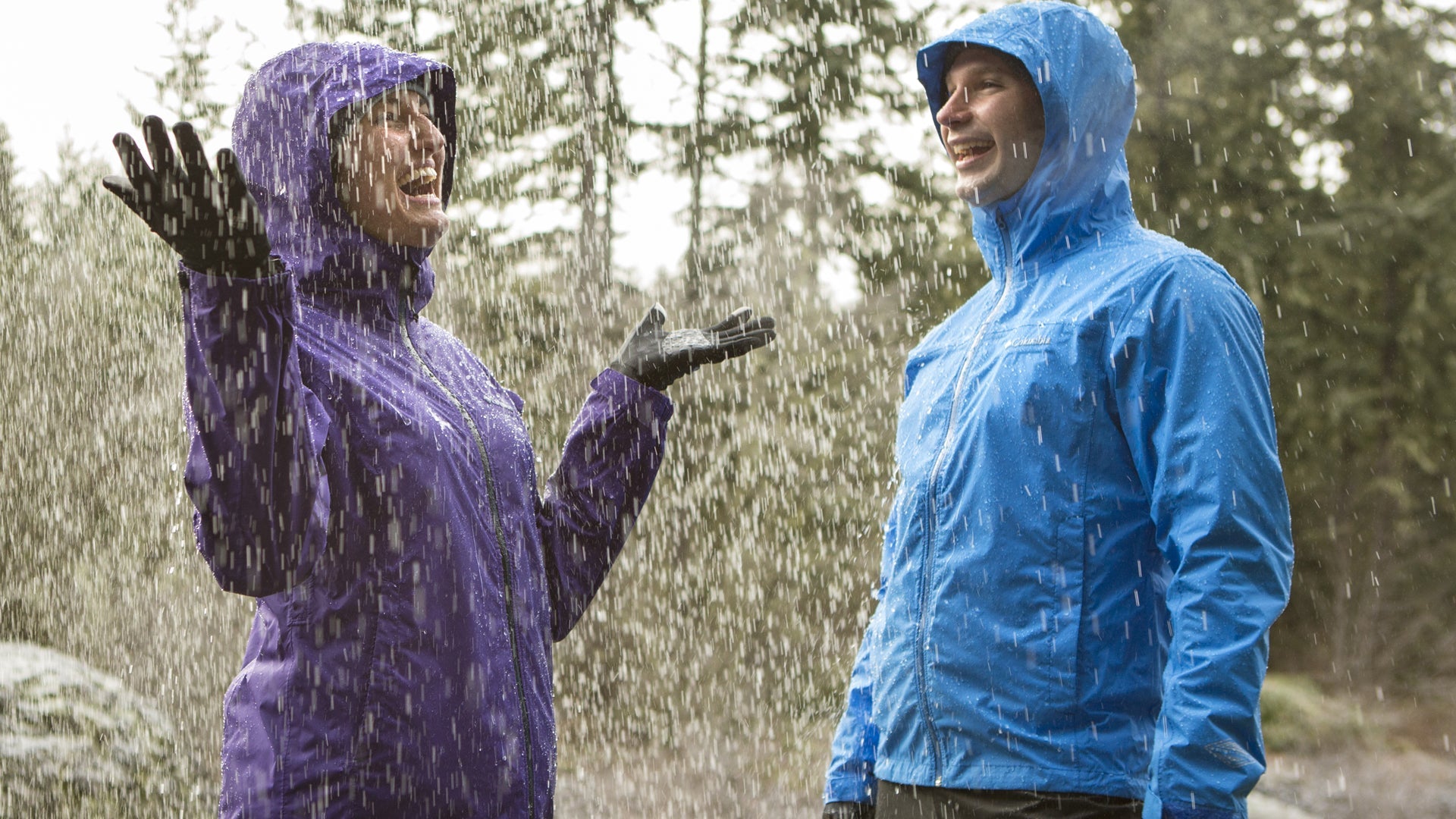
The Abel Tasman has a well-deserved reputation for sunshine, but New Zealand weather doesn't read brochures. Coastal conditions can shift quickly at any time of year — a clear morning can become a wet afternoon within a couple of hours — and the Great Walk season runs from October through April, which includes some changeable spring and autumn conditions at either end.

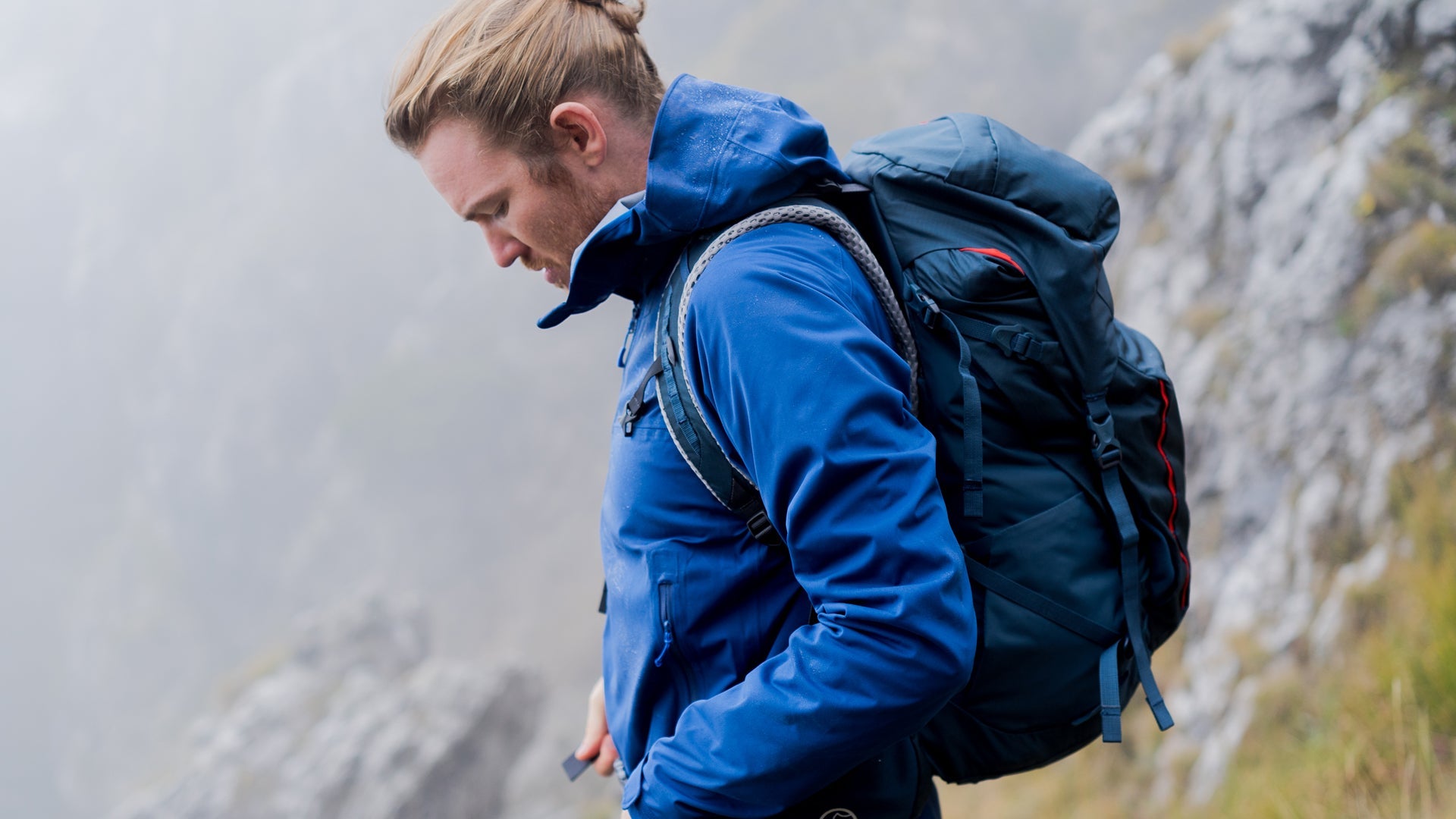
A quality rain jacket is non-negotiable. You don't need an expedition-weight shell for this track; a lightweight packable jacket is entirely appropriate. What matters is genuine waterproofing: taped seams, a helmet-compatible hood, and a proper waterproof-breathable membrane rather than a DWR-only softshell. Roll it small and keep it accessible in your pack lid.

Footwear — Trail Runners Work Here

The Abel Tasman is one of the few Great Walks where trail runners are a genuinely sensible footwear choice. The track involves beach walking, packed gravel, low-root coastal forest, and gentle gradients — none of the exposed rocky ridgelines or technical alpine terrain you'd face on the Routeburn or Milford. Experienced trampers who prioritise light weight and comfort across sandy sections regularly choose trail runners here and don't regret it.

That said, waterproof hiking boots remain the more versatile option, particularly if you're doing tidal crossings. The Awaroa Inlet crossing and several estuary sections put your feet in water — trail runners will be soaked, and wet feet over three to five days can become a real problem. If your boots fit well and you're not chasing minimum pack weight, bring them.

See the full range at Dwights hiking boots.

Sleeping Bag — Match It to Your Accommodation

What sleeping bag you need depends on whether you're staying in huts or camping — and the difference matters.

For hut-based trips, Abel Tasman huts are insulated and reasonably comfortable. You don't need a heavy winter bag; you need something packable with a temperature rating appropriate for mild coastal conditions. The One Planet Nitrous is our lead recommendation here — a quality down bag that handles shoulder-season conditions without unnecessary bulk. It packs down well and won't leave you carrying more insulation than the track demands.

For campsite nights, you'll want more warmth. Campsites are exposed compared to huts, and evening temperatures can drop more than expected in spring and autumn. The Sonder range is a solid option for weight-conscious trampers who want reliable warmth without breaking the bank or the pack weight limit.

Browse sleeping bags at Dwights to match your bag to the conditions and your travel dates.

Sleeping Mat — Camping Nights Only

If you're doing a hut-only trip, you don't need a sleeping mat — Abel Tasman huts have bunks. If you're camping any nights, a mat is essential both for insulation and comfort.

The Peak XV Hyperlite inflatable mat is our pick for this track. It's insulated, packs down impressively small, and keeps total pack weight in check — important when you're already carrying a tent and camping gear. The inflatable construction gives proper comfort on sandy or uneven ground, and the insulation means you're not losing heat through the ground on cooler nights.

See the full sleeping mats range at Dwights.

Trekking Poles — More Useful Than You'd Expect

Poles might seem unnecessary on a beach walk, but they're genuinely useful on the Abel Tasman. Tidal crossings and estuary sections benefit from the extra balance and stability — uneven sandy bottoms and moving water are exactly where poles earn their keep. Soft sand and root-covered coastal paths also benefit from the additional stability, and they take pressure off knees on any descent sections.

The Peak XV Cork & Carbon Poles are our first recommendation. Lightweight carbon construction keeps them honest on pack weight, and the cork grips are a smart choice for warm coastal tramping — cork naturally wicks sweat and doesn't get slippery the way synthetic foam grips can in summer heat. They also pack down for stowing on beach sections where you'd rather have your hands free.

Sun Protection — Take NZ UV Seriously

New Zealand UV levels are significantly higher than equivalent latitudes in Europe or North America — UV Index 11+ is common in summer, even on overcast days. On the Abel Tasman, you're exposed on open beaches and coastal sections for extended stretches. This isn't casual sun exposure; it's several hours of direct UV on some of the most reflective terrain possible.

Pack SPF50+ sunscreen and reapply it frequently — sweating and swimming strip protection quickly. A wide-brim sun hat, UV-rated sunglasses, and a long-sleeve sun shirt or merino top for beach sections are all worth their minimal pack weight. Sunburn on day one will make the rest of the trip uncomfortable in more ways than one.

Sandfly Repellent — Pack It, Don't Forget It

Sandflies on the Abel Tasman are not a minor inconvenience. They're present throughout the park and become particularly aggressive in sheltered bays and around huts at dusk, when trampers tend to stop moving and make an easy target. Pack DEET-based repellent and apply it proactively — before you sit down to rest, not after the bites start.

A long-sleeve merino base layer doubles as both sandfly and sun protection, making it one of the most efficient items in your pack for this particular track.

Awaroa Inlet — Time Your Crossing

Awaroa Inlet is only crossable within a window around low tide. The crossing schedule is posted at the hut and published by DOC — check it the evening before your planned crossing and build your morning departure time around it. Attempting to cross at the wrong time means wading through thigh-deep tidal water at best, and getting into a genuinely dangerous situation at worst. This is one of the most commonly underestimated sections of the track. Leave with time to spare.

PLB — Recommended, Hire Available

The Abel Tasman is more accessible than most Great Walks, and water taxis provide a practical exit option on many sections. Mobile coverage, however, is patchy throughout the park. A PLB (Personal Locator Beacon) is worth carrying — if something goes wrong in a location without cell coverage, it's your direct line to emergency services. If you don't own one, PLB hire is available; ask when arranging your trip logistics. DOC recommends carrying a PLB on all Great Walks.

Water Taxis

Water taxis operate throughout Abel Tasman National Park and are a routine part of how people experience this track. They're widely used for section walks (starting or finishing mid-track), resupply drops, and as a bail-out option if conditions change or injury strikes. They're a transport service rather than hire gear, but worth factoring into your planning — book well in advance in peak season.

Abel Tasman Track Gear Checklist

  • Pack: 45–60L — Deuter Futura 27 for section walks; Deuter Aircontact Core 50+10 for full track with camping
  • Rain jacket: Lightweight, waterproof with taped seams
  • Footwear: Trail runners (acceptable here) or waterproof hiking boots for tidal crossings
  • Sleeping bag: One Planet Nitrous for huts; Sonder for camping nights
  • Sleeping mat: Peak XV Hyperlite — camping nights only (not required if hut-only)
  • Trekking poles: Peak XV Cork & Carbon Poles
  • Sandfly repellent: DEET-based, apply early and often
  • Sun protection: SPF50+, wide-brim hat, UV sunglasses, sun shirt
  • PLB: Own or hire — strongly recommended
  • Tide tables: Awaroa Inlet crossing times — check the evening before

More Great Walks Gear Guides

Planning a multi-track South Island tramping trip? Our full NZ Great Walks gear list covers what changes between tracks. For South Island alpine routes, see our Routeburn Track gear guide and Milford Track packing list — both require a heavier, more technical kit than the Abel Tasman demands.