
Rakiura Track Gear List 2026 — What to Pack for Stewart Island
The Rakiura Track is New Zealand's most remote Great Walk — a 39km circuit on Stewart Island (Rakiura), the third-largest island in New Zealand and home to one of the country's best chances of seeing wild kiwi. It is shorter than most other Great Walks, and the terrain is not technically demanding. But the Rakiura has a reputation that demands respect: it is consistently one of the muddiest, wettest, and most isolated walking experiences in the Great Walk network. What you pack matters more here than on any other Great Walk.
The Rakiura in Brief
The Rakiura Track starts and ends in Oban, the main settlement on Stewart Island, with a water taxi section at the far end of the loop. Most trampers complete the circuit in 3 days, staying at Port William and North Arm huts. Stewart Island receives extremely high rainfall — Oban averages around 1,600mm annually, and the bush interior significantly more. The track passes through dense podocarp and coastal forest, much of which stays permanently wet underfoot. Sand fleas (sandflies) are active at coastal sections.
What Makes the Rakiura Different
Mud. That is the defining characteristic of the Rakiura Track and the reason your gear list looks different here than for other Great Walks. Deep mud — ankle to mid-shin in the worst sections — is present year-round and gets dramatically worse after rain. DOC has laid boardwalks over some sections but significant mud remains throughout the track. Gaiters are not optional kit on the Rakiura; they are essentially mandatory.
The isolation is real. Oban is the only settlement on the island. There is no road between trailheads — the loop requires a water taxi crossing between Freshwater Landing and the end of the track near Oban. Transport logistics need to be organised before departure from the mainland. Weather can delay water taxi crossings and change conditions quickly.
Footwear
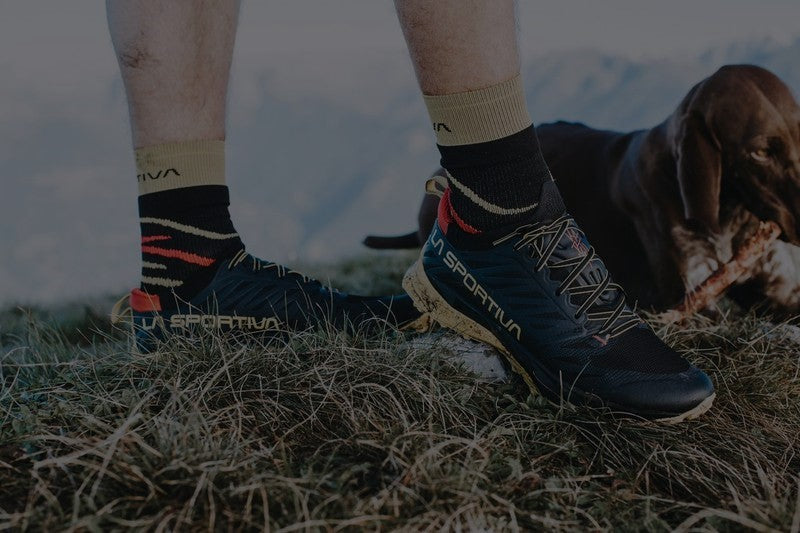
More than any other Great Walk, the Rakiura demands a robust waterproof boot with good ankle support and aggressive grip. This is not a track for trail runners or lightweight shoes. Mid to high-cut waterproof boots from La Sportiva and Salewa both perform well in Stewart Island's conditions. Look for a Vibram or equivalent outsole — the combination of wet roots, mud, and slippery surfaces tests grip constantly.
Full-length gaiters are strongly recommended. They keep mud out of your boot collar, protect your lower legs, and reduce the amount of mud that gets into your socks. Trampers who have done the Rakiura before almost universally recommend them.
Browse our hiking boots range.
Pack
For a 3-day tramp, a 50-65L pack is appropriate. The Deuter Aircontact Core 50+10 handles the weight and provides comfort over the varied terrain. If you prefer a lighter option for the short distance, a 50L pack keeps things manageable. Whatever pack you choose, use a pack liner or dry bags inside — Stewart Island's rain will find its way into your pack if it is not protected.
Browse our hiking packs range.
Sleeping Bag and Layers
Stewart Island has a maritime climate — mild but persistently wet. Temperatures are rarely severe but the dampness makes it feel cold, particularly in the evenings. A sleeping bag rated to 0°C or -5°C suits most of the tramping season. The One Planet Sonder -5 or One Planet Nitrous -1 are reliable choices for Rakiura hut conditions.
For clothing layers, build your standard three-layer system but lean toward wool and synthetics that perform well damp. A midweight merino base layer with Peak XV merino leads our recommendation here — it handles the humid forest conditions better than a lightweight base layer. Bring a spare set of base layers in a dry bag.
Rain Gear
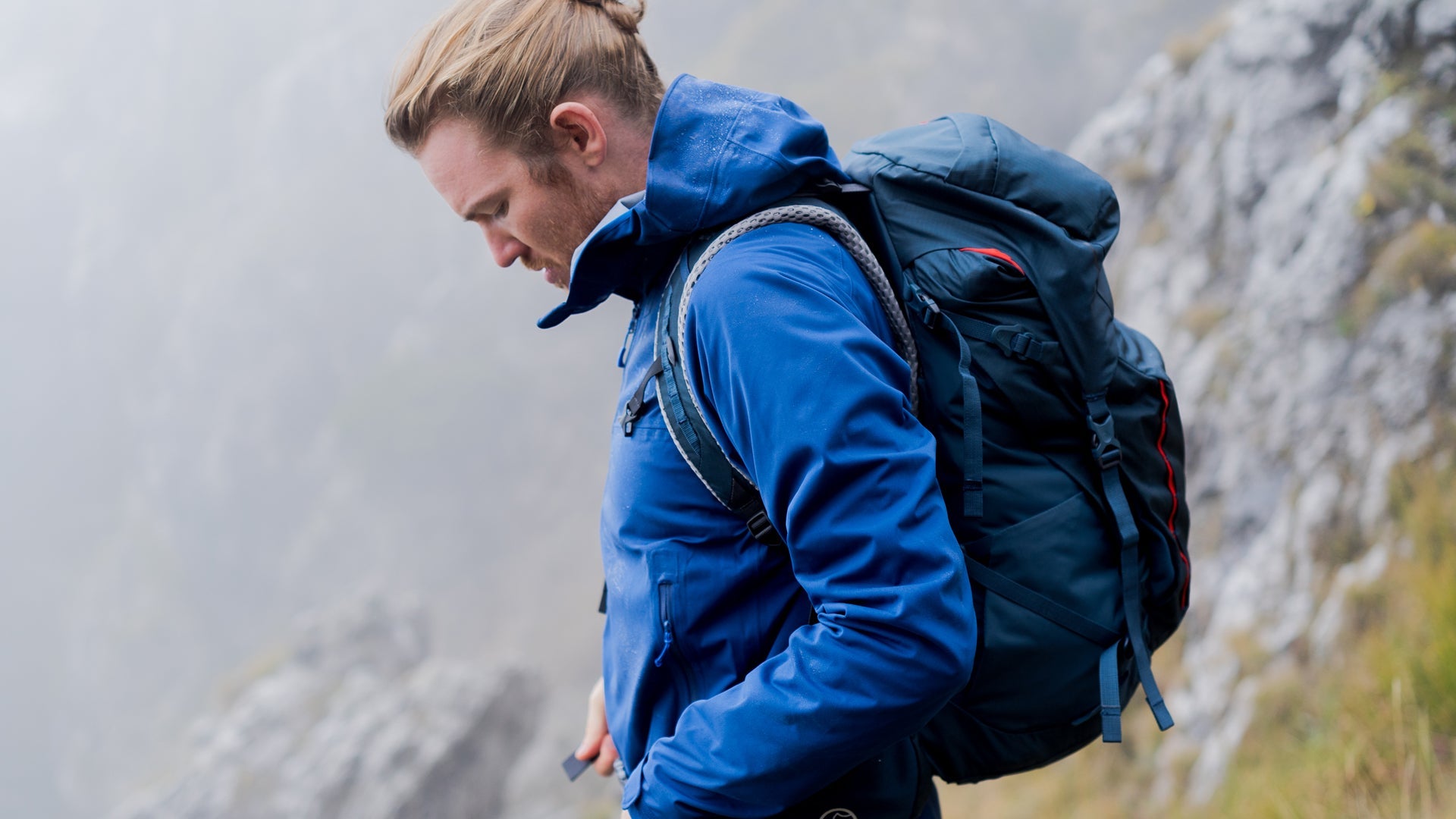
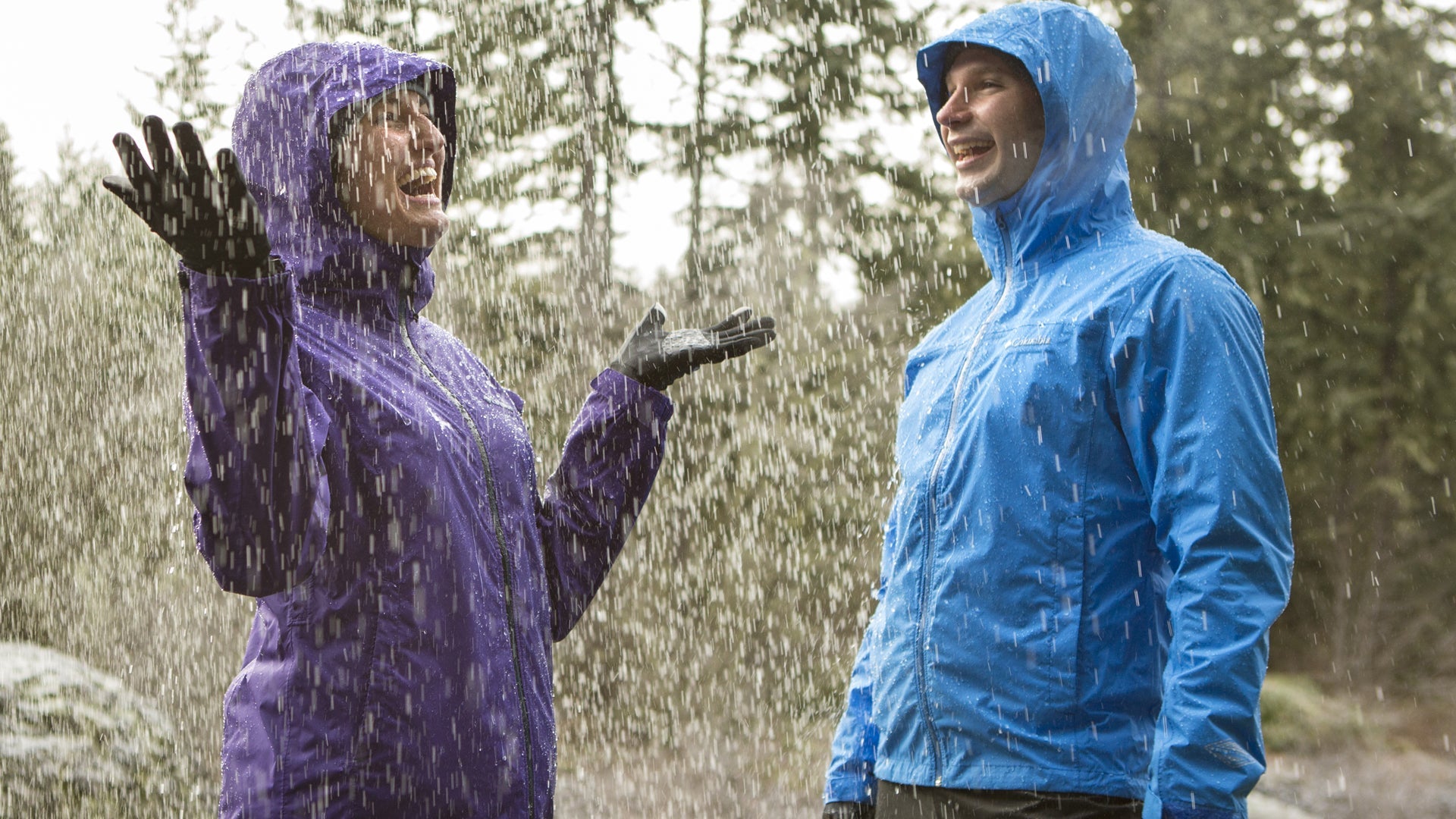
Non-negotiable. The Peak XV Tornado — 20,000mm HH waterproofing, breathable membrane, fully taped seams — is the right choice for Rakiura conditions. This jacket will be used. Waterproof pants are equally important on the Rakiura — the combination of rain, mud, and wet bush means your lower body needs as much protection as your upper body.
Browse our rain jackets range.
Navigation and Safety
- Offline maps downloaded — the Rakiura Track is well-marked but cell coverage on Stewart Island is limited. Download NZ Topo maps before departure.
- PLB (Personal Locator Beacon) — strongly recommended given the isolation. Available to hire.
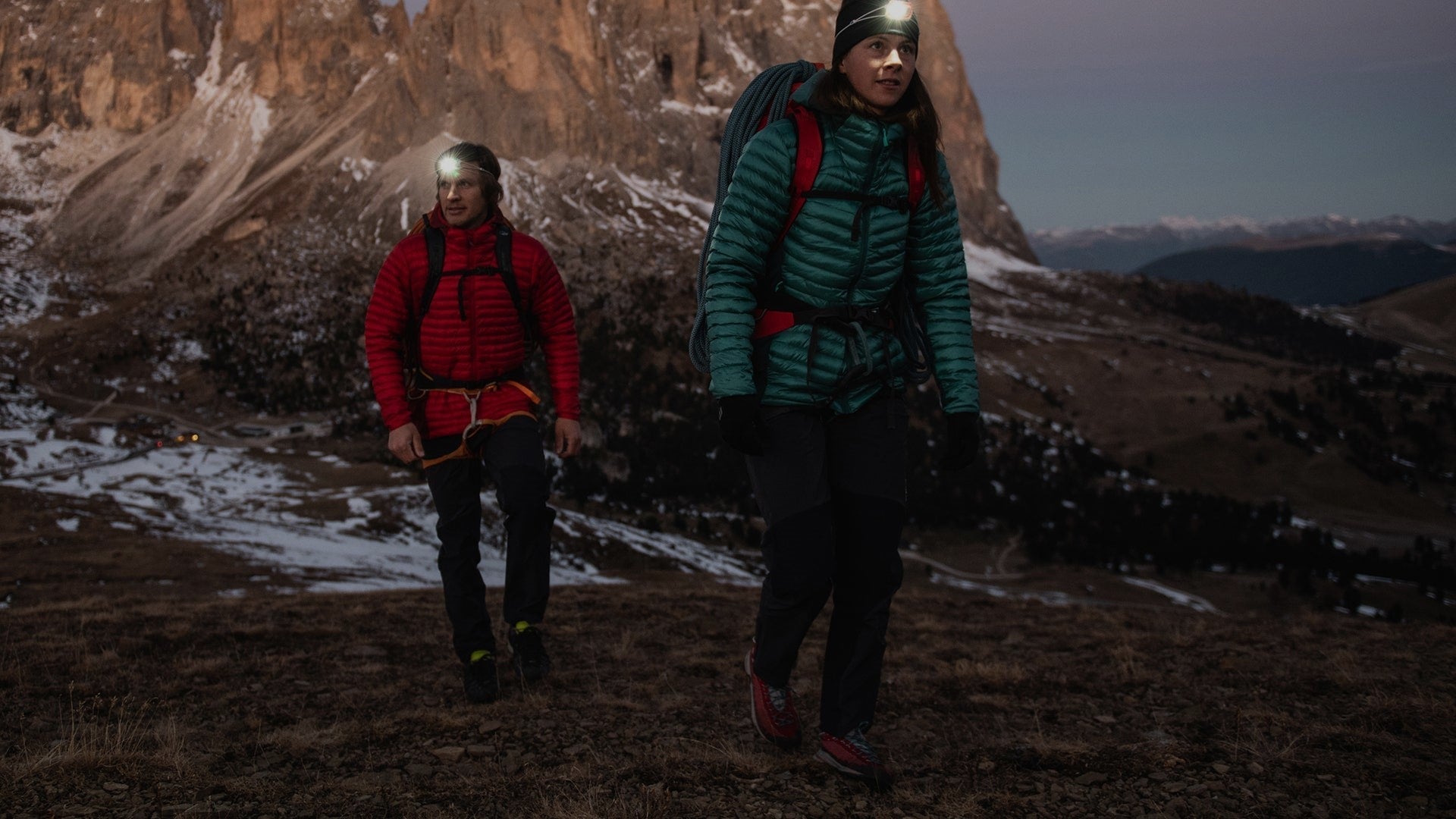
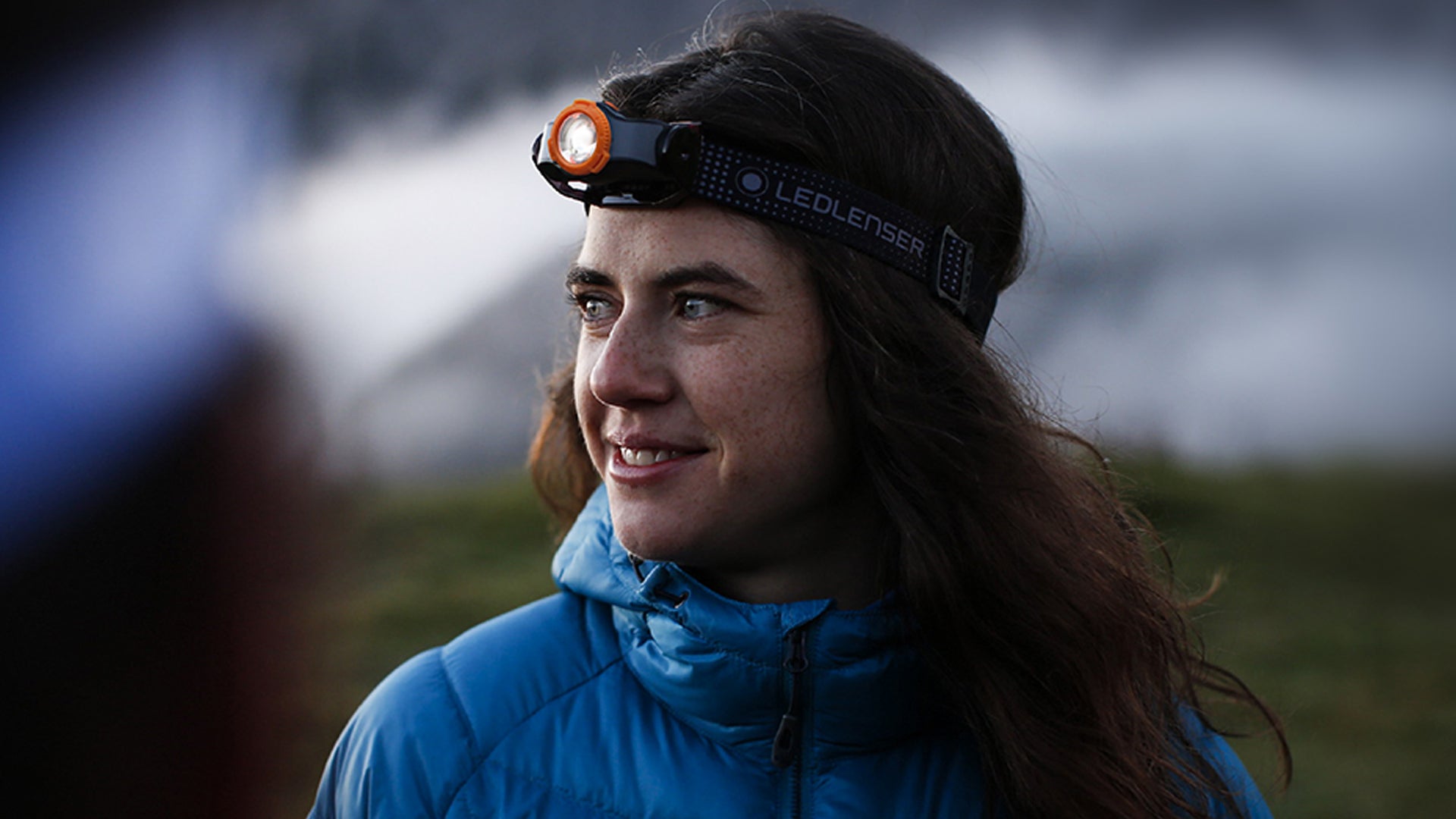
- Headlamp with red-light mode: Red light is less disruptive to kiwi and other wildlife. The Nitecore head torch range includes red-light modes suitable for wildlife watching at night.
- Insect repellent: Sandflies at coastal sections are aggressive. High-DEET repellent and covered skin for evening beach walks.
- Waterproof bags for electronics and important items.
Seasonal Considerations
Summer (December-February): The best weather window. Longer days, warmer temperatures. Still bring full rain gear — Stewart Island's weather is unpredictable year-round. Book huts well in advance.
Shoulder season (October-November, March-April): Fewer people, cooler temperatures. Full layers and rain gear essential. Mud is typically worse in shoulder season.
Winter (May-September): Quieter but cold and very wet. Experienced trampers only — short days, cold huts, and maximum mud. Not recommended as a first Great Walk.