Heaphy Track Gear List 2026 — What to Pack for the Heaphy
The Heaphy Track is New Zealand's longest Great Walk — 78km through Kahurangi National Park in the top of the South Island, traversing mountain beech forest, open tussock plateau, and ending (or beginning) on a dramatic stretch of Tasman Sea coastline. It is one of the most varied Great Walks in terms of terrain and ecosystem, and that variety shapes your gear list.
The Heaphy in Brief
The Heaphy Track runs between Brown Hut (near Collingwood, Golden Bay) and Kohaihai (near Karamea, West Coast). Most trampers take 4-6 days. DOC operates six huts along the route: Perry Saddle, Gouland Downs, Saxon, James Mackay, Heaphy, and Katipo Creek. Distances between huts range from around 8km to 16km — longer than most other Great Walks, which requires attention to your daily pace and fitness level.
Unlike the Milford or Routeburn, there is no significant alpine terrain on the Heaphy — the highest point is around 900m on the Gouland Downs plateau. But the sheer distance, combined with the remote West Coast section, makes preparation just as important.
What Makes the Heaphy Different
Three things set the Heaphy apart from other Great Walks: the distance (longer days are possible but so are tired legs by day four), the variety of terrain and ecology (mountain plateau gives way to nikau palm forest and coastal bush), and the sandflies on the coast section. The Heaphy coast near Heaphy Hut is some of the finest coastal scenery in New Zealand — and home to sandfly populations that give a different kind of memorable experience.
Winter brings an added layer — the Heaphy Track is open to mountain bikes in winter (May to November), meaning trampers and riders share the track during this period.
Footwear
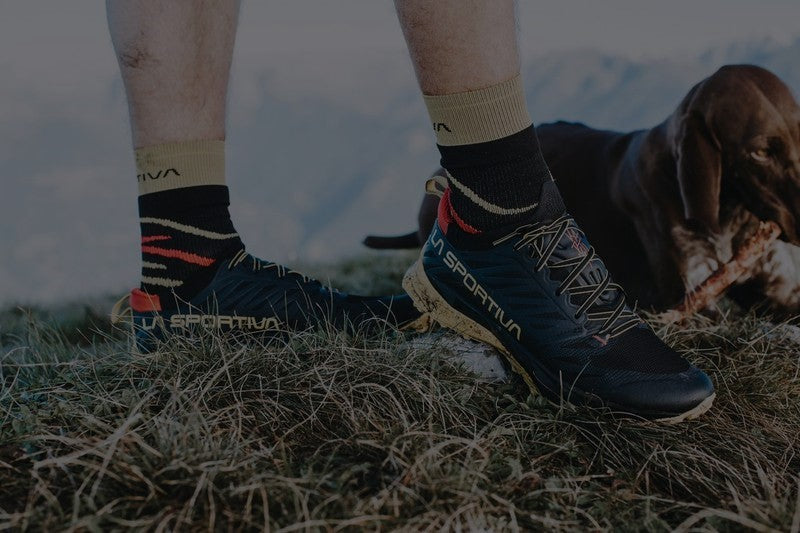
The Heaphy track is generally well-maintained with good surfaces, but includes sections of root-covered forest trail, muddy plateau track, and rocky river crossings. A mid-weight tramping boot with waterproof lining and good ankle support is appropriate. Salewa and La Sportiva all offer reliable boots for the varied terrain. Trail runners are used by faster parties on the Heaphy but boots give more comfort over 78km if you are not already experienced trail running on long multi-day routes.
Browse our hiking boots range.
Pack
You will carry 4-6 days of food on the Heaphy — more than any other Great Walk. This weight, combined with your clothing and gear, makes a well-fitted, quality pack essential. The Deuter Aircontact Core 50+10 is the recommended option for the Heaphy: the back system transfers load effectively over long days, and the 10L extension accommodates extra food and layers. Most trampers use 55-65L packs.
Browse our hiking packs range.
Sleeping Bag
Huts on the Heaphy range from warm lowland forest shelters to the colder Gouland Downs (exposed plateau at altitude). A sleeping bag rated to 0°C is the minimum for summer; -5°C is more comfortable for shoulder season. The One Planet Nitrous and One Planet Sonder are well-suited to the temperature range across the track.
Browse our sleeping bags range.
Clothing Layers
The Heaphy's terrain variety means your clothing needs to cover both cool exposed plateau and warm coastal conditions:
- Base layer: Midweight merino is the best all-round choice for the Heaphy's variable temperatures. Lightweight merino or synthetic works if you are doing the track in high summer.
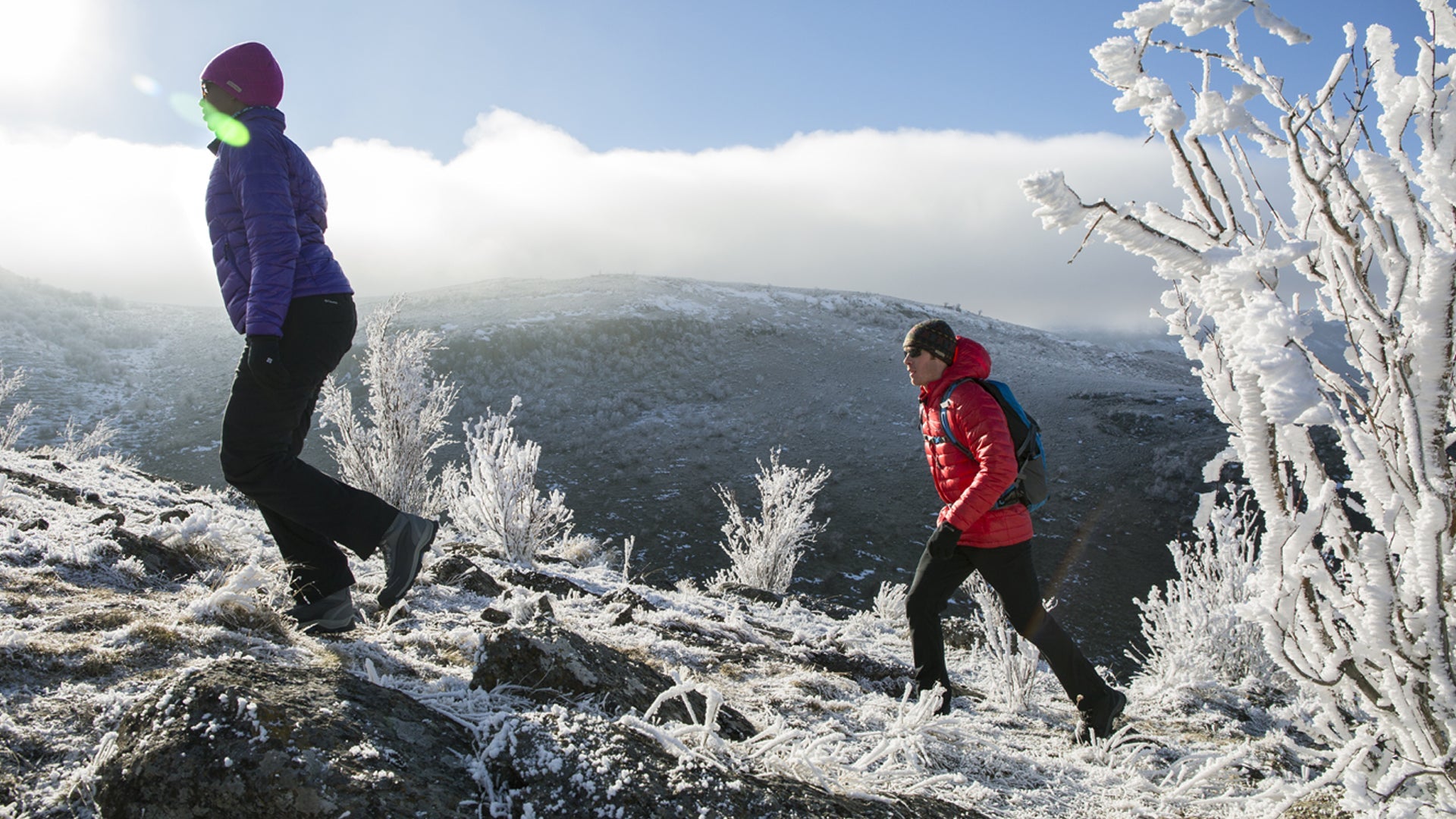
- Mid-layer: A 200-weight fleece handles the Gouland Downs plateau and cool evenings well. A down jacket is a lighter alternative if pack weight matters.
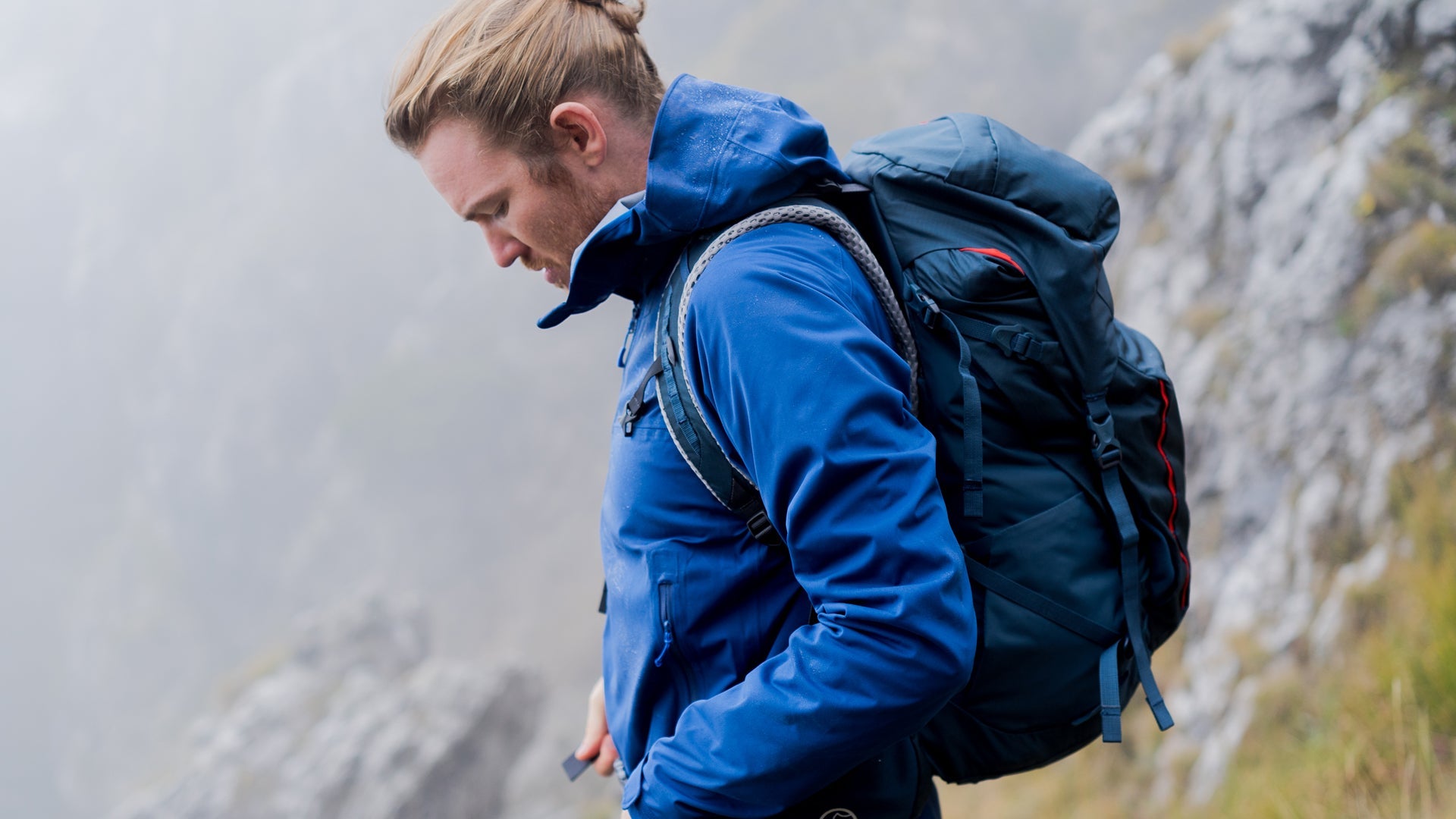
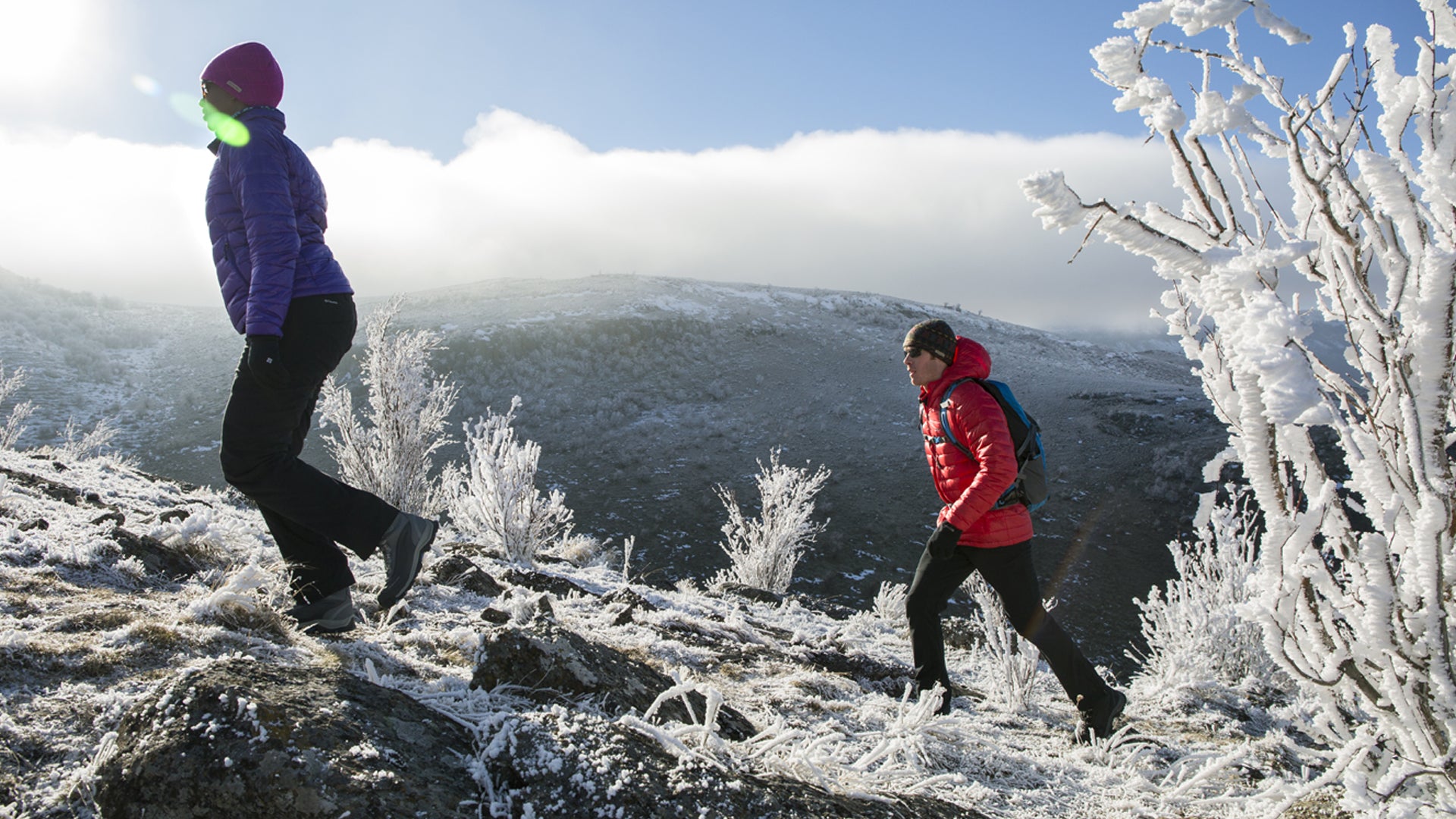
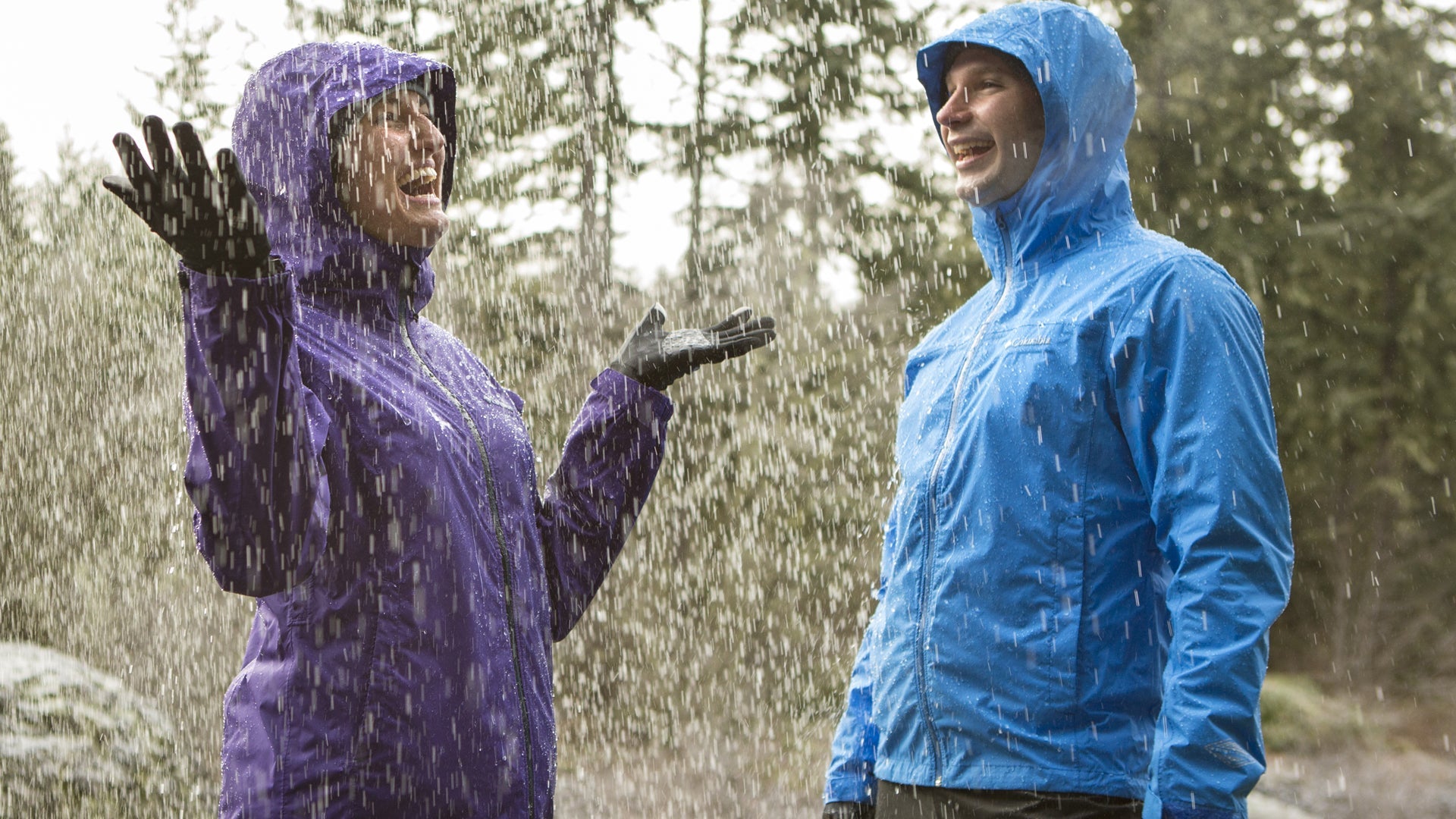
- Outer shell: Full waterproof hardshell jacket and pants. The West Coast section gets rain — your shell will be used. The Peak XV Tornado is well-suited to Heaphy conditions. The Rab Kangri GORE-TEX is the premium option for more demanding conditions.
- Sun protection: The coastal section can be exposed and sunny — pack a sun hat, sunscreen, and sunglasses for the coastal days.
Browse our rain jackets range.
Sandfly Protection
The Heaphy coast is notorious for sandflies, particularly around Heaphy and Katipo Creek huts. They are most active at dawn and dusk. Pack a high-DEET insect repellent and light long-sleeve clothing for evenings at coastal huts. A mesh insect head net is useful for rest stops in the worst affected areas. This is not optional kit for the coastal section — it is practically essential.
Navigation and Safety
- Downloaded offline maps — the Gouland Downs plateau in poor visibility requires confident navigation. Download NZ Topo maps before departure.
- PLB (Personal Locator Beacon) — strongly recommended for any remote multi-day tramp. Available to hire if you don't own one.
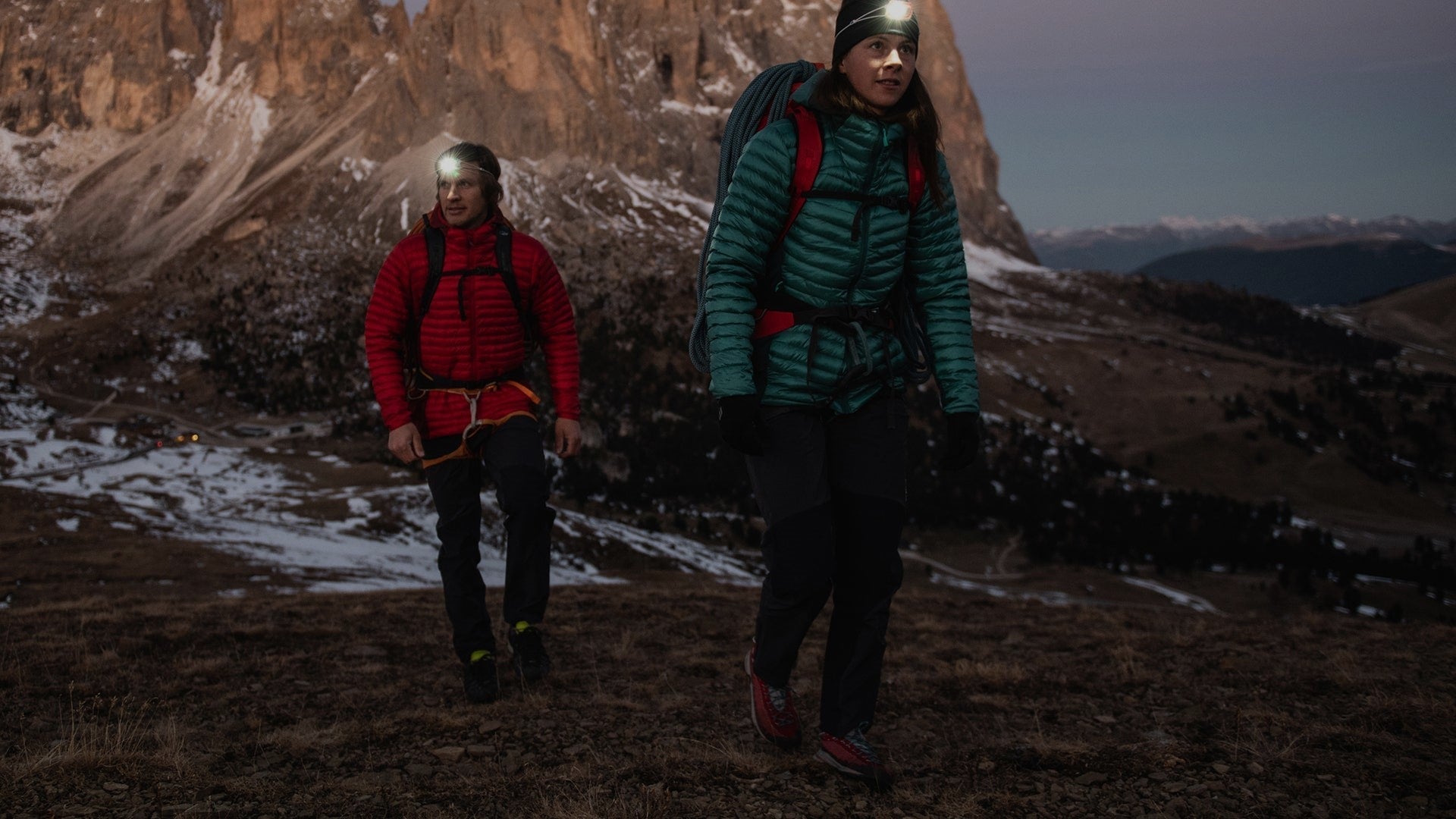
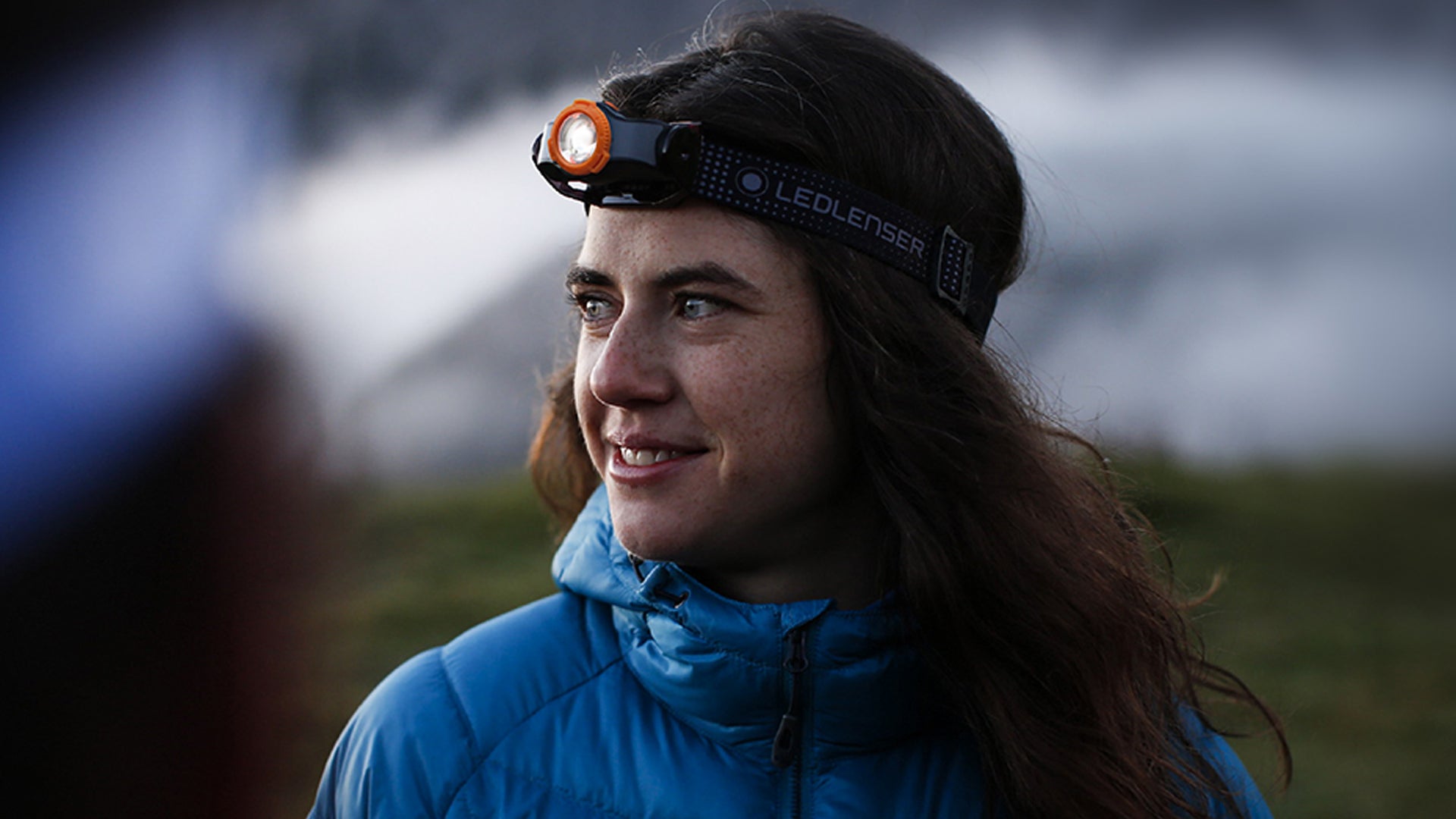
- Headlamp: Required for early morning starts. The Nitecore UT27 Pro and Nitecore NU25 are lightweight reliable options.
- First aid kit — blisters are the most common issue over 78km. Carry blister prevention tape and dressings.
Seasonal Considerations
Summer (December-February): The most popular window. Warmer on the coast, reliable weather more likely. Book huts well in advance — they fill fast in peak season.
Shoulder season (October-November, March-April): Fewer people, excellent conditions often possible. Cooler on the plateau, full layers required. A -5°C sleeping bag is wise.
Winter (May-September): The track is open to mountain bikes. Trampers can still walk but should expect cold, wet conditions and potentially muddy trails. The coastal section is milder but the plateau huts can be very cold.