
Routeburn Track Gear List 2026 — What to Pack

The Routeburn Track is 32km of genuinely spectacular tramping through two national parks — Fiordland and Mt Aspiring. Most people do it in three days, crossing from the Queenstown side at Routeburn Shelter through to The Divide on the Te Anau/Milford side. It's a Great Walk, so hut bookings are essential during the October–April season, and the four DOC huts — Routeburn Flats, Routeburn Falls, Lake Mackenzie, and Lake Howden — fill up fast.
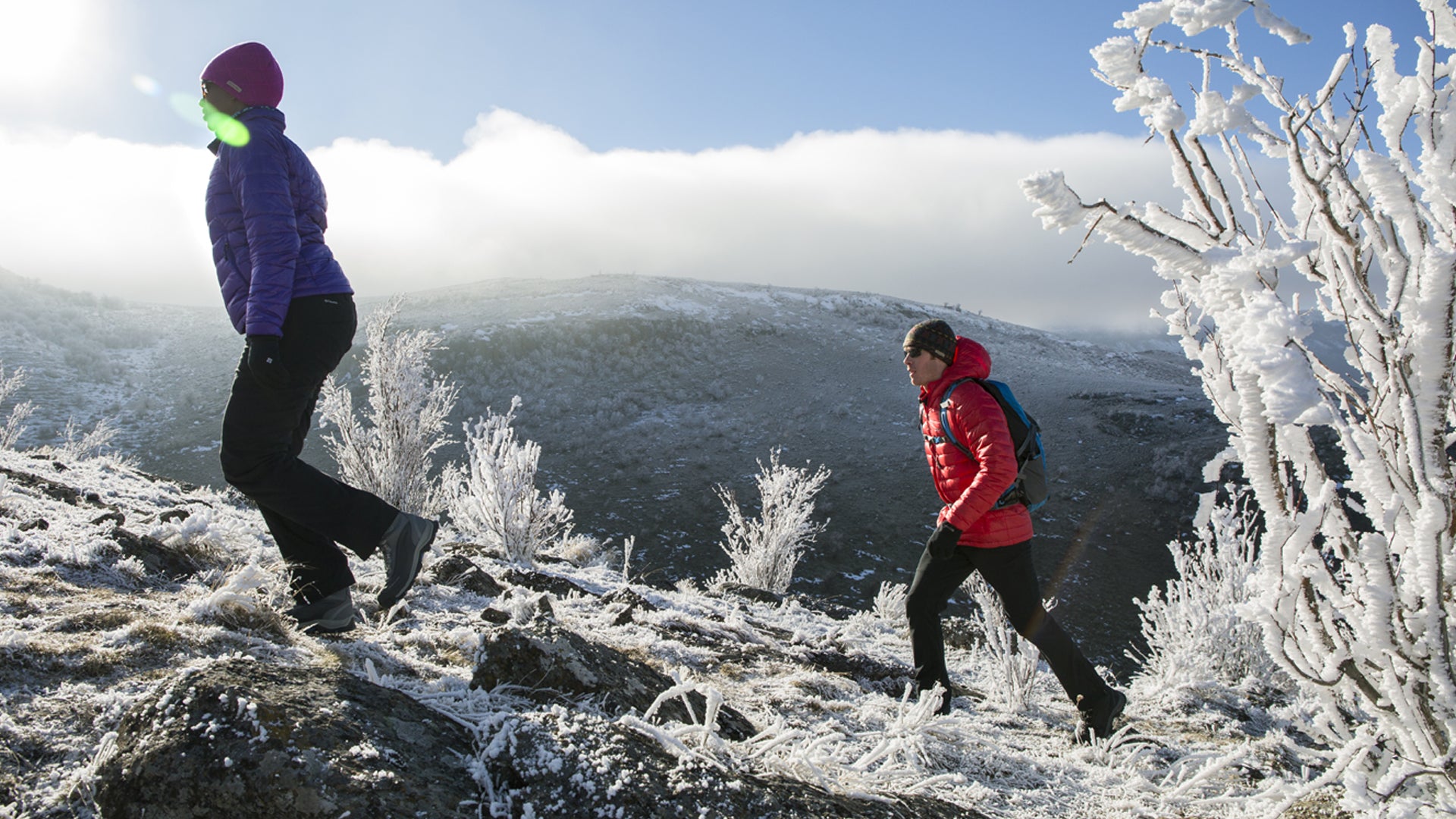
What catches people out is the alpine exposure. Harris Saddle sits at 1,255m, and the ridge sections between Routeburn Falls and Lake Mackenzie are fully exposed to whatever the Southern Alps decides to throw at you. Weather can turn from blue sky to horizontal rain inside an hour. Pack light if you want, but pack right.
This is the gear list we'd put together for the Routeburn — practical, honest, and built for NZ conditions. More gear advice across all our tracks is over on the hiking gear blog.
1. Pack — 50–70L
The Routeburn is a hut-to-hut track, so you're carrying food, clothing, sleep system, and rain gear for three days. That sits comfortably in the 50–70L range — less than that and you're making awkward compromises; more and you're carrying dead weight.
The Deuter Aircontact Core 50+10 is a standout choice for this track. The Aircontact back system keeps the load pulled in close, which matters on the technical descent into Lake Mackenzie. The extendable lid gives you room to top-load wet gear without stuffing it inside with your dry stuff. Well-padded hip belt, robust build, and sized exactly right for three days in the hills. Browse the full range of hiking packs if you want to compare options.
2. Boots — Waterproof Mid or High-Cut
Don't even consider trail runners on the Routeburn unless you're very experienced and comfortable with wet feet for extended periods. This track has river crossings that can flood, muddy sections in the lower valleys, and rocky alpine terrain above the bushline. You need waterproof boots with ankle support.
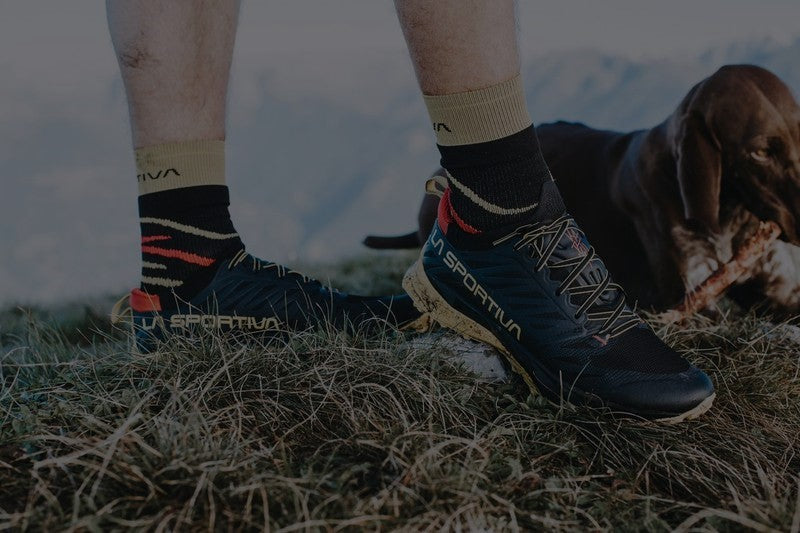
Mid-cut or high-cut waterproof leather or synthetic boots are the go. La Sportiva, Salewa, and Crispi all make excellent options for this kind of terrain. Get them fitted properly and make sure they're broken in before you leave — blisters on day one of the Routeburn are a miserable way to spend three days. See the full range of hiking boots for options suited to alpine Great Walks.
3. Hiking Poles — Non-Negotiable
Poles are not optional on the Routeburn. The descent from Harris Saddle to Lake Mackenzie is long and punishing on the knees. River crossings in flood conditions require the balance that a pair of poles provides. And on exposed ridgelines in wind, having two extra points of contact is worth a lot.
The Peak XV Cork & Carbon poles at $149.99 are our top recommendation — cork grips that won't get slippery when wet, carbon shaft for low weight on multi-day carries, and a price point that makes a lot of sense for how much use they'll see. Leki poles are a strong secondary option if you want European-engineered alternatives. Either way, get folding or collapsible poles so they pack away easily when you don't need them. Check out the hiking poles range to compare options.
4. Sleeping Bag
The Routeburn huts are serviced with mattresses, but you supply your own sleeping bag. Hut temperatures vary — Routeburn Falls and Lake Mackenzie sit at altitude and can be cold even in summer.
For the main Great Walk season, the One Planet Nitrous ($499–$549) is the right call. It's a quality down bag with the warmth rating to handle cool hut nights without being overkill for summer tramping.
If you're heading out in shoulder season — October, late April, or any time there's snow forecast on the tops — move up to the One Planet Cocoon ($699–$749). The extra warmth margin at altitude is worth every cent when the temperature drops overnight at Lake Mackenzie. Browse sleeping bags to find the right option for your trip timing.
5. Sleeping Mat
Hut mattresses are provided, but a sleeping mat adds warmth and comfort on top of them — especially at altitude where the mattresses can feel cold underneath. It also means you're covered if you end up in the campsites or need to sleep on a hut floor during a busy period.
The Peak XV Hyperlite 4.9R at $249.99 is our pick — an R-value of 4.9 is more than adequate for Routeburn conditions across the full season, and the weight-to-warmth ratio is genuinely impressive. Compact enough to strap to the outside of your pack without drama. See all sleeping mats for comparison.
6. Hiking Pillow
Skip the stuff-sack-of-clothes method. Hut nights on the Routeburn are where you recover for the next day, and decent sleep matters. The Whisp Pillow packs down to almost nothing and adds meaningless weight to your pack — there's no reason not to bring it. Small upgrade, real difference.
7. Rain Jacket — Seam-Sealed, No Exceptions
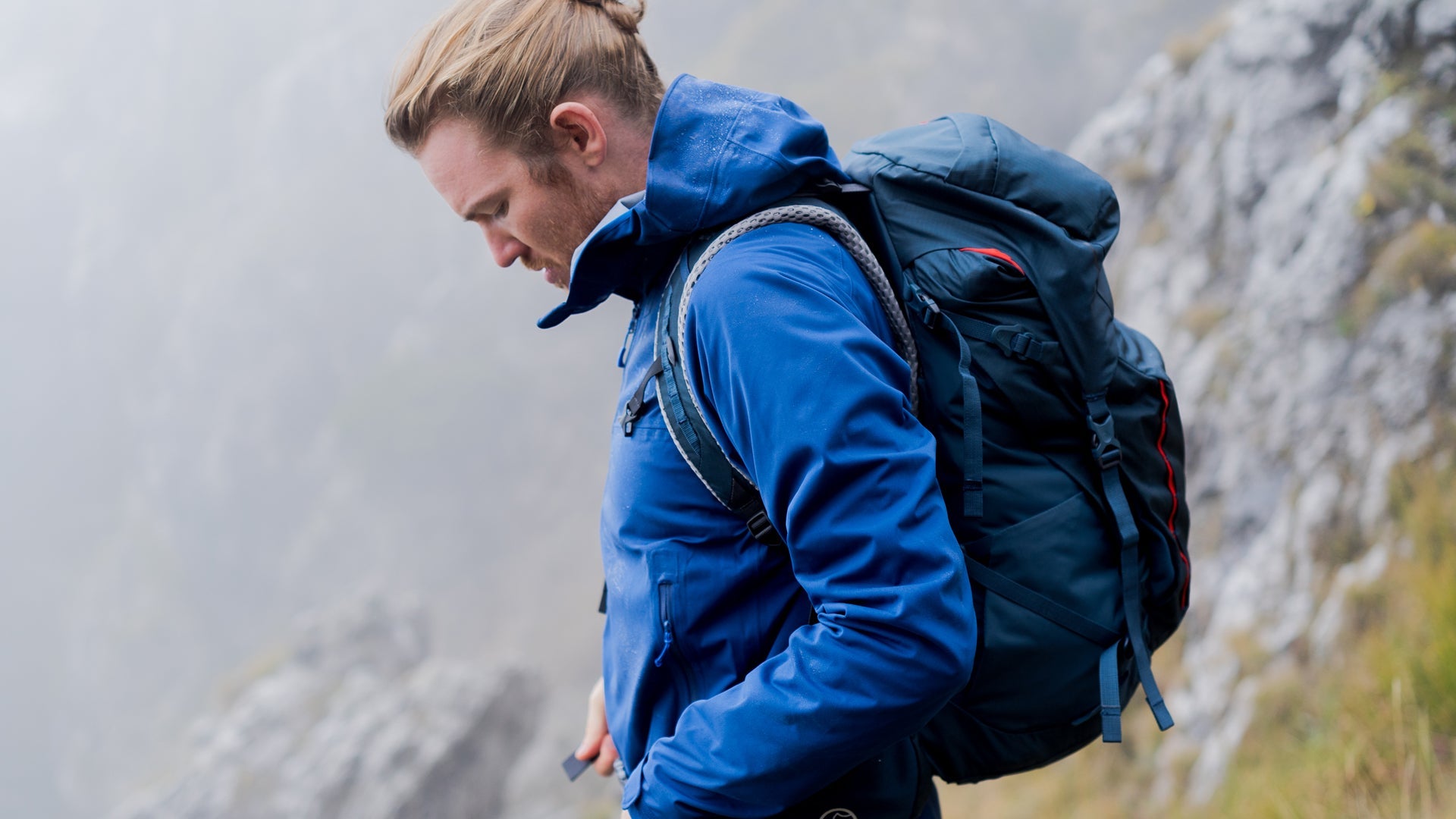
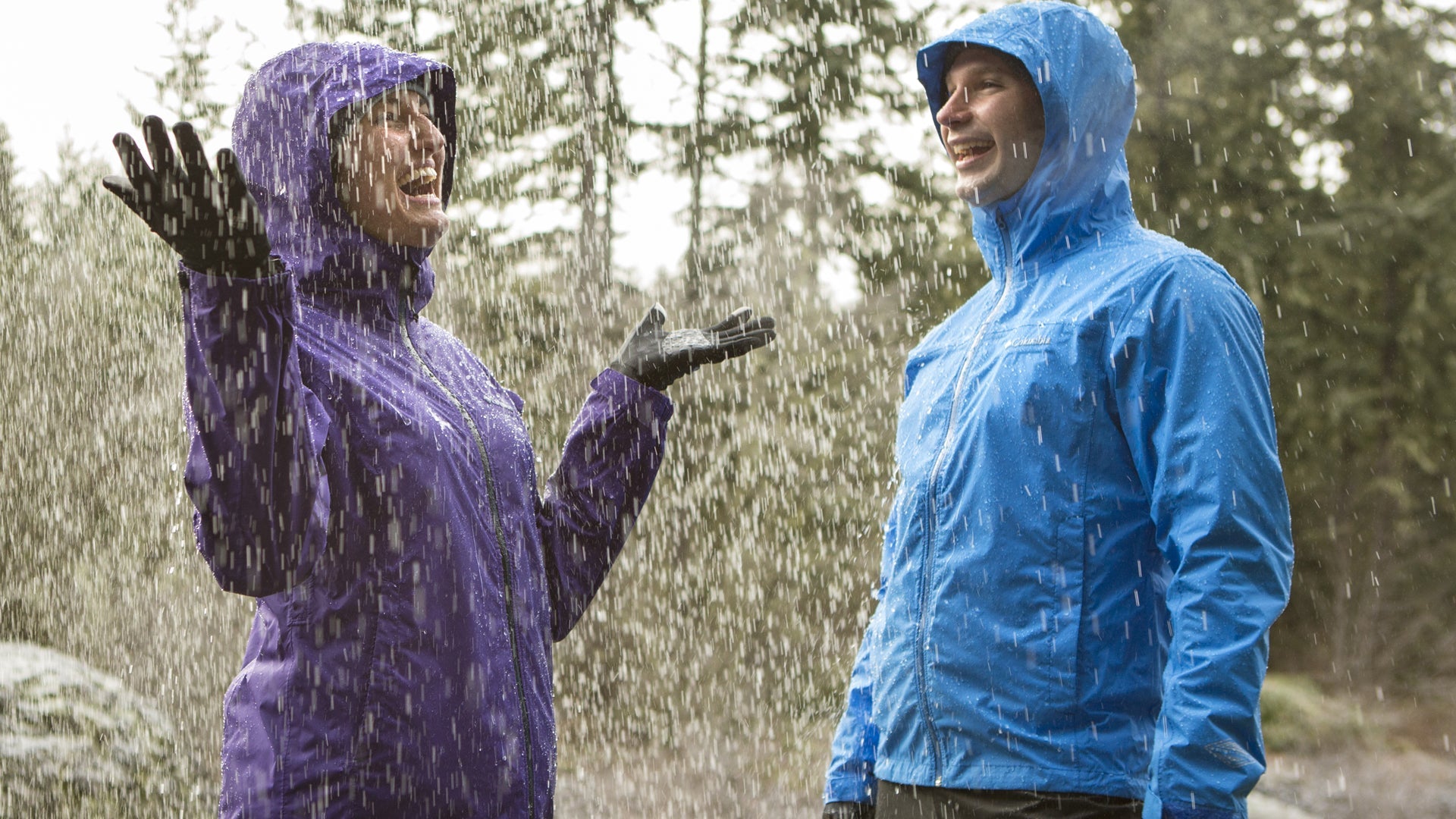
If you only pack one piece of kit seriously on the Routeburn, make it your rain jacket. The alpine sections above the bushline are fully exposed, and wind-driven rain on the ridge above Routeburn Falls is a different category of wet from a bit of drizzle in the beech forest below.
You need a waterproof, seam-sealed jacket — not water-resistant, not softshell, not "shower-proof." Rab makes excellent rain jackets with the waterproofing and durability for sustained NZ conditions. A hood that works in wind is essential. This is not where you cut weight.
8. Layers — Merino Base, Insulating Mid
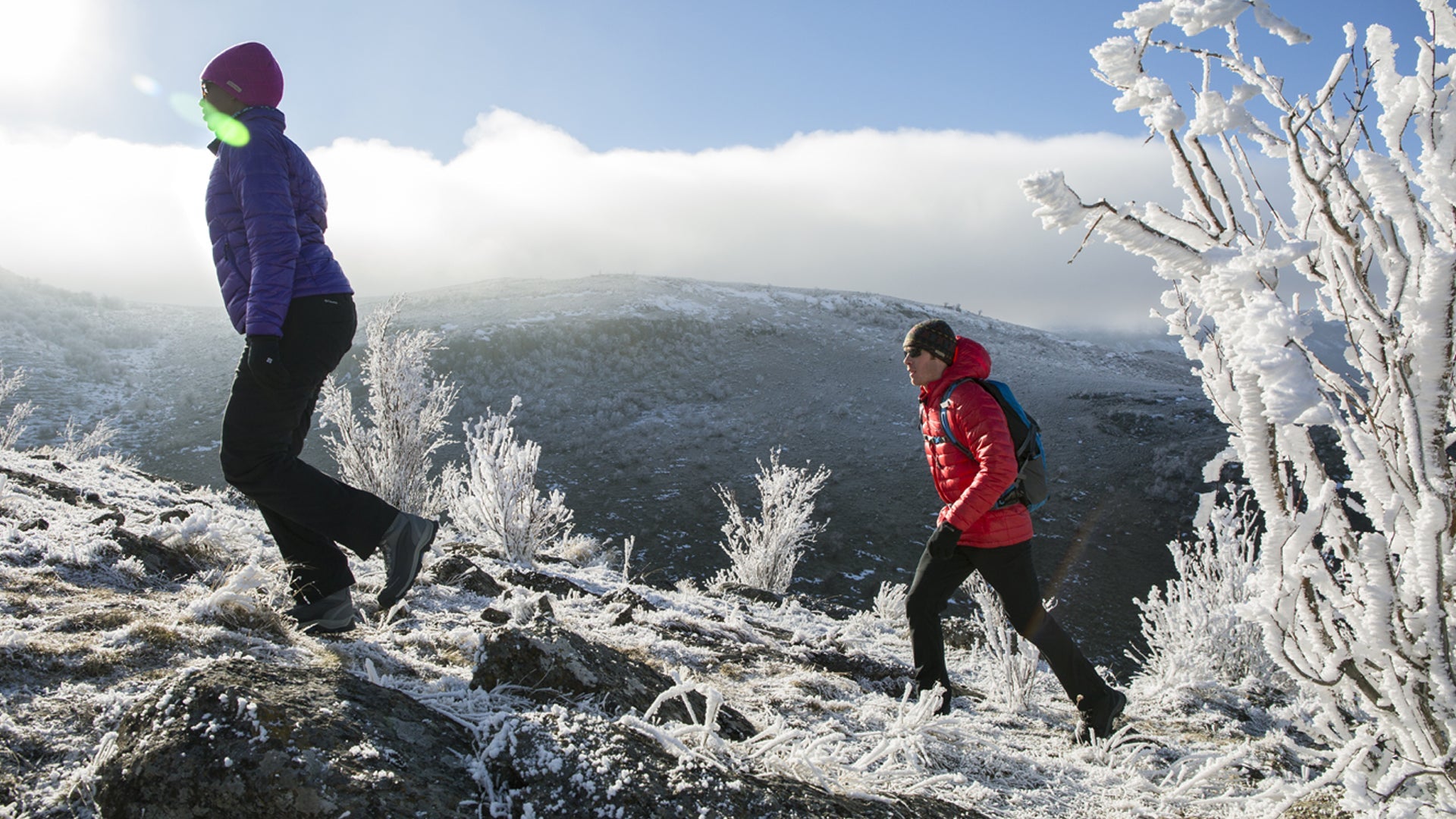
The Routeburn temperature range across a single day can be significant. You might start in valley warmth, gain 800 metres of elevation to a cold exposed ridge, then descend into a sheltered hut. Layering is how you manage that range without carrying a wardrobe.
Merino base layer: A merino wool top (short or long sleeve depending on the season) manages moisture and odour across three days better than anything synthetic. It's worth the investment for a multi-day trip.
Insulating mid layer: A down or synthetic puffy jacket for hut evenings and cold ridge crossings. Keep it in a dry bag inside your pack so it's actually dry when you need it. At Harris Saddle in wind, a warm mid layer under your rain jacket is the difference between comfortable and miserable.
Legs: Merino or softshell pants for the alpine sections. Waterproof over-trousers if the forecast is grim.
9. Navigation — Map, App, and PLB
The Routeburn is well-marked, but visibility on the ridge can drop to near zero in cloud and rain. Don't rely solely on the track markers.
Topo map: Carry a printed NZTopo50 map of the area and know how to read it. DOC sells these or you can print from the NZ Topo Maps website.
NZ Topo app: The NZ Topo app (Land Information New Zealand) lets you download offline maps — use it, but treat it as a backup to paper, not a replacement.
PLB: Carry a Personal Locator Beacon. The Routeburn is remote terrain in two national parks — if something goes seriously wrong, you want a direct line to search and rescue. If you don't own one, PLB hire is widely available from outdoor retailers and DOC visitor centres. It's entirely reasonable to hire one for a single trip.
10. First Aid, Food, and Camp Shoes
First aid kit: Pack a compact kit with blister treatment at the top of the list — mole foam or blister plasters, and know how to use them before you go. Add any personal medications, antihistamine, and basic wound dressings.
Food: The Routeburn huts don't provide meals. Plan for three days of breakfasts, lunches, dinners, and snacks. Calorie-dense, lightweight options — nut butters, dehydrated meals, energy bars — reduce the weight you're carrying. Some people use a lightweight gas stove; others rely on the hut cookers where available. Check DOC's current hut facilities before you go.
Camp shoes: A pair of lightweight sandals or camp shoes makes hut evenings significantly more comfortable and gives your boots time to dry out. Flip flops pack flat and weigh almost nothing.
Final Notes
The Routeburn is an exceptional track — one of the best alpine walks in New Zealand by any measure. But it demands respect. Book your huts early (the Great Walk season fills up months in advance), check the DOC forecast before you leave, and don't underestimate the weather between Routeburn Falls and Lake Mackenzie.
Pack the right gear, and you'll spend your three days looking at the view instead of managing problems. That's the whole point.