


Milford Track Gear List 2026 — What to Pack

The Milford Track packing list is one of the most important things you'll sort before stepping foot on New Zealand's most famous walk. Get it wrong and four days in Fiordland's relentless rain becomes genuinely miserable. Get it right and you're in for one of the great tramping experiences on the planet. This is a no-fluff, NZ-specific guide to exactly what to carry on the 53.5km route from Glade Wharf to Sandfly Point.
The Milford Track at a Glance
The Milford Track runs 53.5km over four days through Fiordland National Park, a UNESCO World Heritage area that receives around 7,000mm of rainfall annually — making it one of the wettest places on Earth. Independent walkers stay at three DOC Great Walk huts: Clinton, Mintaro, and Dumpling. The track ends at Sandfly Point, where a boat takes you into Milford Sound.
Day 3 — the crossing of MacKinnon Pass at 1,154 metres — is the most demanding day. You're exposed to alpine weather with limited shelter. Conditions can turn fast. The track starts at Glade Wharf, accessed by boat from Te Anau, and hut bookings need to be made months in advance. This is one of the most popular Great Walks in the country; last-minute planning doesn't work here.
Given the terrain and the climate, every item in your pack needs to earn its place.
The Pack — Your Foundation
A 50–70L pack is the right range for four nights on a hut-based Great Walk. You need enough capacity for rain gear, layers, a full sleep system, and four days of food — but nothing so large you start filling space you shouldn't. The Deuter Aircontact Core 50+10 is a well-suited option here: the Vari-Flex hip belt transfers load effectively over long days, and the +10L extender gives flexibility when your food bag is heavy on day one. Torso fit matters on a 53.5km track — spend time adjusting before you leave.
Pack weight with consumables typically lands in the 16–20kg range. Pack smart, not heavy.
Wet Weather Gear — Non-Negotiable in Fiordland
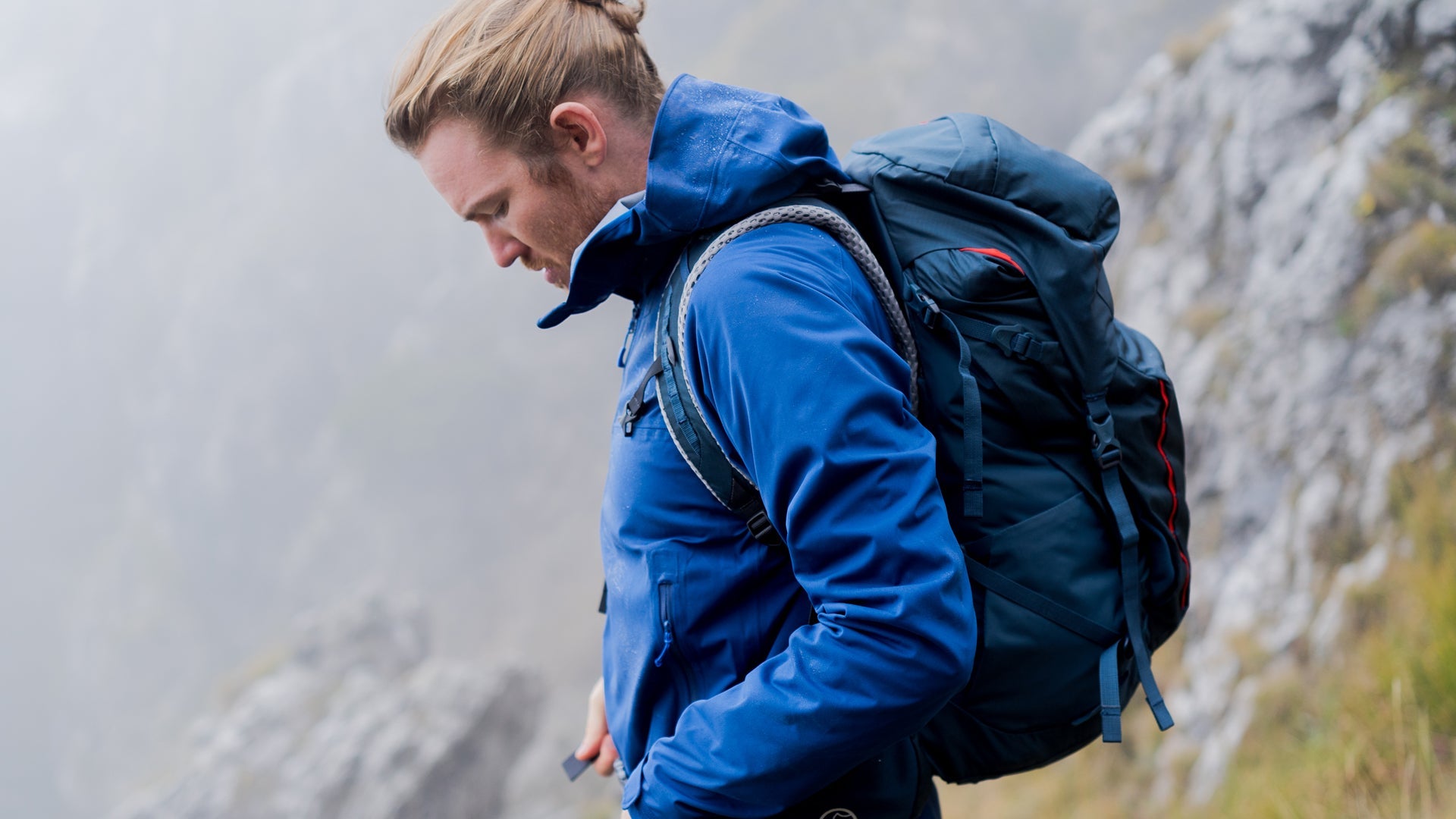
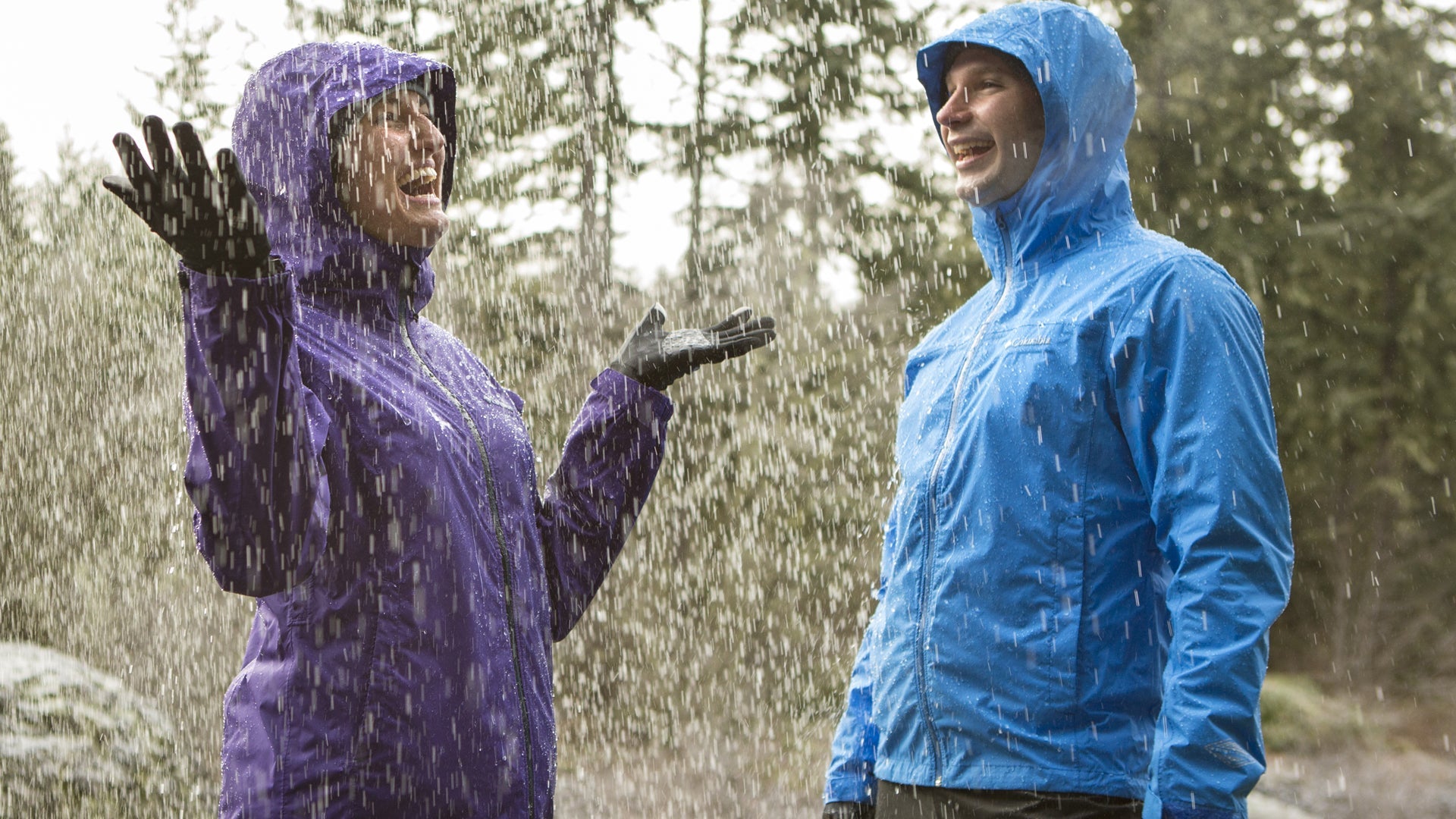
If there's one section of this packing list you don't compromise on, it's wet weather gear. Fiordland doesn't care that it's February. Rain can last for days, and on MacKinnon Pass, horizontal sleet is entirely possible in the middle of summer. A fully waterproof, seam-sealed rain jacket with a hood isn't a luxury here — it's a survival item. Look for a hardshell with at least 20,000mm hydrostatic head and taped seams, not a water-resistant softshell.
Rain pants are equally non-negotiable. Trampers who skip them regret it. You will be wet. The question is whether you manage that wetness or it manages you. Carry both jacket and pants in an accessible dry bag at the top of your pack — not buried where you can't reach them when the heavens open.
Waterproofing your pack contents is just as important as your outer layer. Pack a waterproof liner or use dry bags throughout. Your sleep system, in particular, must stay dry.
Boots — Waterproof, Supportive, and Broken In
Waterproof mid or high-cut boots are the right choice for the Milford. The track has well-maintained sections but also river crossings, boggy patches, and rocky terrain — particularly on the MacKinnon Pass descent. A Gore-Tex or equivalent membrane keeps water out on those inevitable wet-trail days. High cut gives ankle support on the steeper sections.
Whatever you choose, break them in properly before you arrive. Blisters on day one of a four-day track are a serious problem.
Trekking Poles
Poles aren't essential on most New Zealand day walks. On the Milford Track, they earn their place — particularly on the MacKinnon Pass descent, which is steep and can be slippery, and at any river crossings where an extra point of stability counts. The Peak XV Cork & Carbon Poles ($149.99) are a well-balanced option: carbon shafts keep weight down, the cork grips are comfortable for long days, and they pack down for hut-to-hut transit. If you're looking for a secondary option, Leki make reliable poles but the Peak XV is the lead pick here at that price point.
Sleep System — Sleeping Bag, Mat & Pillow
DOC Great Walk huts provide bunk beds with mattresses but no bedding. You're bringing your entire sleep system.
Sleeping bag: Huts are heated, but temperatures — especially at Clinton Hut near the head of the valley — can drop overnight, particularly in shoulder season. The One Planet Nitrous ($499–$549) is the lead recommendation: a high-quality down bag that compresses well and performs in the temperature range you'll encounter in summer. For trampers who run cold, or those tackling the track in spring or autumn, the Cocoon ($699–$749) offers greater warmth and is worth the investment for shoulder season starts.
Sleeping mat: Even on a hut bunk with a mattress, an insulated sleeping mat adds warmth and comfort that makes a genuine difference after a long day. The Peak XV Hyperlite 4.9R ($249.99) is the right choice for Great Walks — it's an insulated inflatable mat (R-value 4.9), not a self-inflating foam mat. That insulation matters when temperatures drop. It packs small, keeping your pack tighter, and the weight-to-warmth ratio is excellent.
Sleeping pillow: Don't make the mistake of using a stuff sack. The Whisp Pillow packs to near nothing and makes a real difference to sleep quality across four nights. After a 16km day over MacKinnon Pass, sleep matters.
Layering — Merino, Mid, and Shell
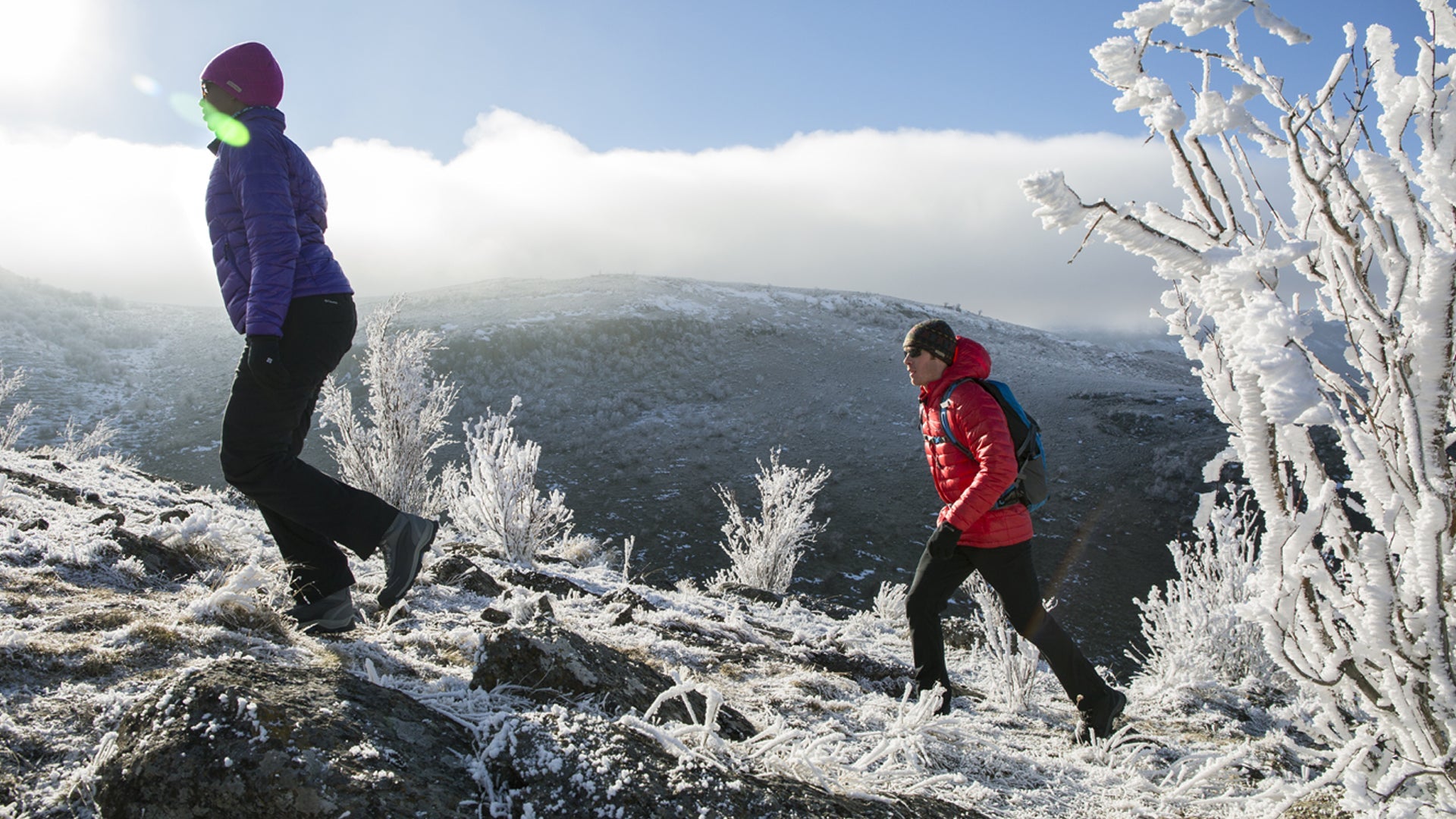
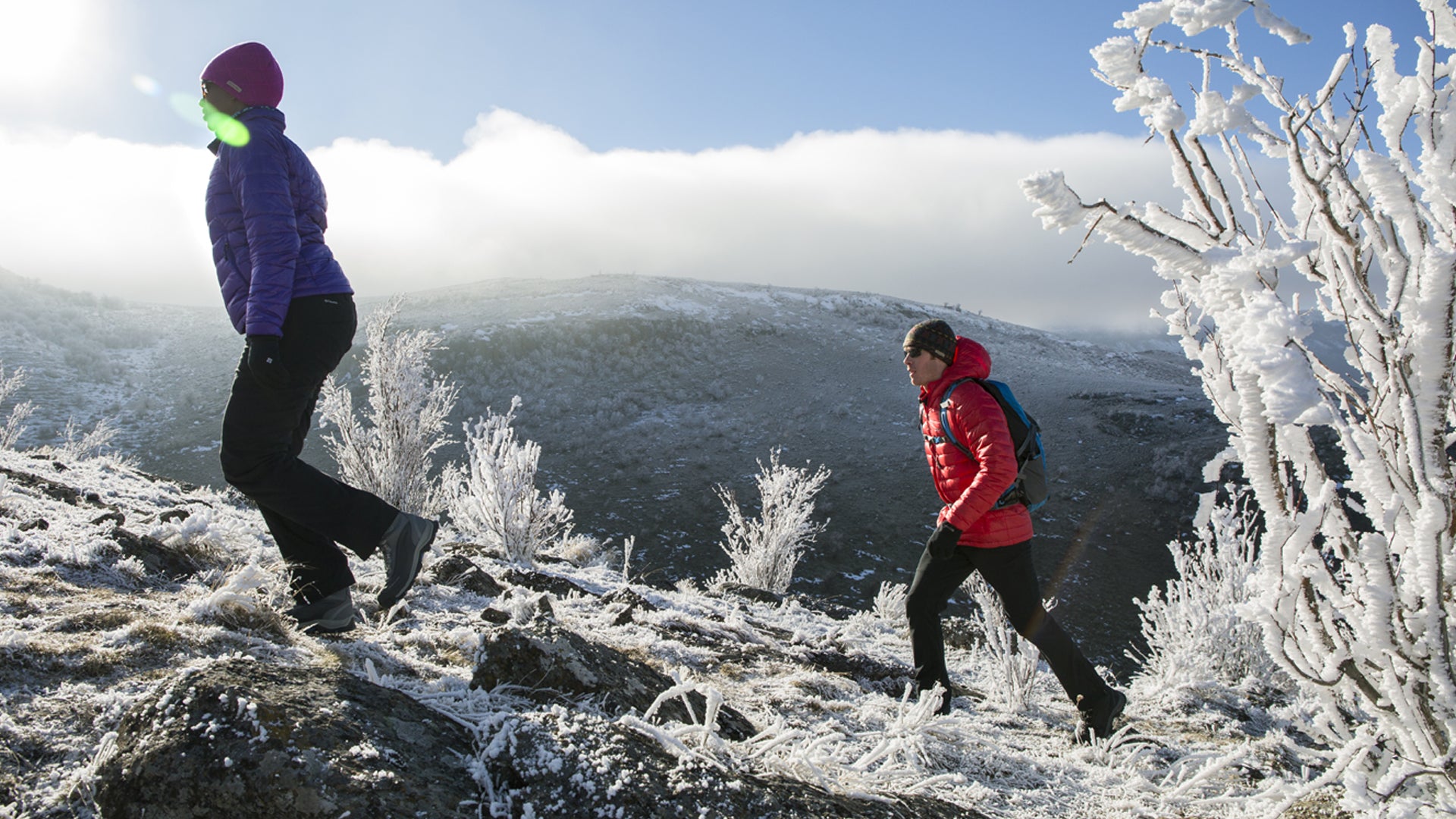
The layering principle applies hard on the Milford. You'll be sweating on the climbs and cold on the exposed ridgeline within the same hour on Day 3. Build your system around three layers:
- Base layer: Merino wool is the right call for multi-day tramping. It manages moisture, resists odour across four days, and stays warm even when damp. A merino long-sleeve top and merino tights give you a versatile foundation.
- Mid layer: A fleece or insulated jacket for hut evenings, summit stops, and cold starts. Synthetic insulation is a sensible choice in Fiordland — it retains more warmth than down when wet.
- Shell: Your hardshell rain jacket (covered above) completes the system. This layer does the heavy lifting in Fiordland's weather.
Pack at least one complete dry set of hut clothes — something to change into at the end of each day while your trail gear dries. This isn't a luxury; it's how you recover properly and stay warm overnight.
Navigation & Safety
The Milford Track is well-marked and well-maintained, but that doesn't mean safety planning is optional — especially on MacKinnon Pass where visibility can drop to near zero in bad weather.
PLB (Personal Locator Beacon): Carry one. If you don't own a PLB, hire one — PLB hire is widely available in Te Anau before the track. It's a small cost for the genuine safety it provides in remote Fiordland terrain. DOC strongly recommends them for all backcountry travel.
NZ Topo app: Download NZ Topo50 maps for offline use before you leave cell coverage. Even on a well-marked track, having your position confirmed on a topographic map helps on weather-in days when visibility is limited.
Hut tickets and booking confirmation: Print or save these offline. You'll need your booking confirmation to check in at each hut. DOC hut bookings for the Milford Track open months in advance and sell out fast — confirm all three hut nights before you travel.
The Small Stuff That Makes a Big Difference
These items don't take much space but matter significantly over four days:
- Insect repellent — sandflies: The sandflies at the Milford Track's southern end are legendary. Sandfly Point is not named ironically. Carry a quality DEET-based repellent and apply it at every stop, particularly in the evening. The sandflies at Sandfly Point while waiting for the boat to Milford Sound can be intense. Don't underestimate this.
- Dry bags: Use them throughout your pack, not just for your sleep system. Phone, camera, extra layers, and food all benefit from dry-bag protection in sustained Fiordland rain.
- First aid kit: A basic kit covering blister care, antiseptic, anti-inflammatories, bandaging, and any personal medications. Blisters are the most common issue on multi-day tracks.
- Camp shoes: Lightweight sandals or shoes to change into at the hut. Your feet will thank you. Your fellow hut occupants will also appreciate not spending the evening with your wet boots dripping on the floor.
- Food: All food is carry-in. Four days of breakfasts, lunches, dinners, and snacks adds weight — plan meals carefully, prioritise calorie density, and keep it simple. Freeze-dried meals are popular for their weight-to-calorie efficiency and easy hut preparation.
- Gaiters: Optional but useful in wet conditions. Low gaiters at minimum to keep debris out of your boots.
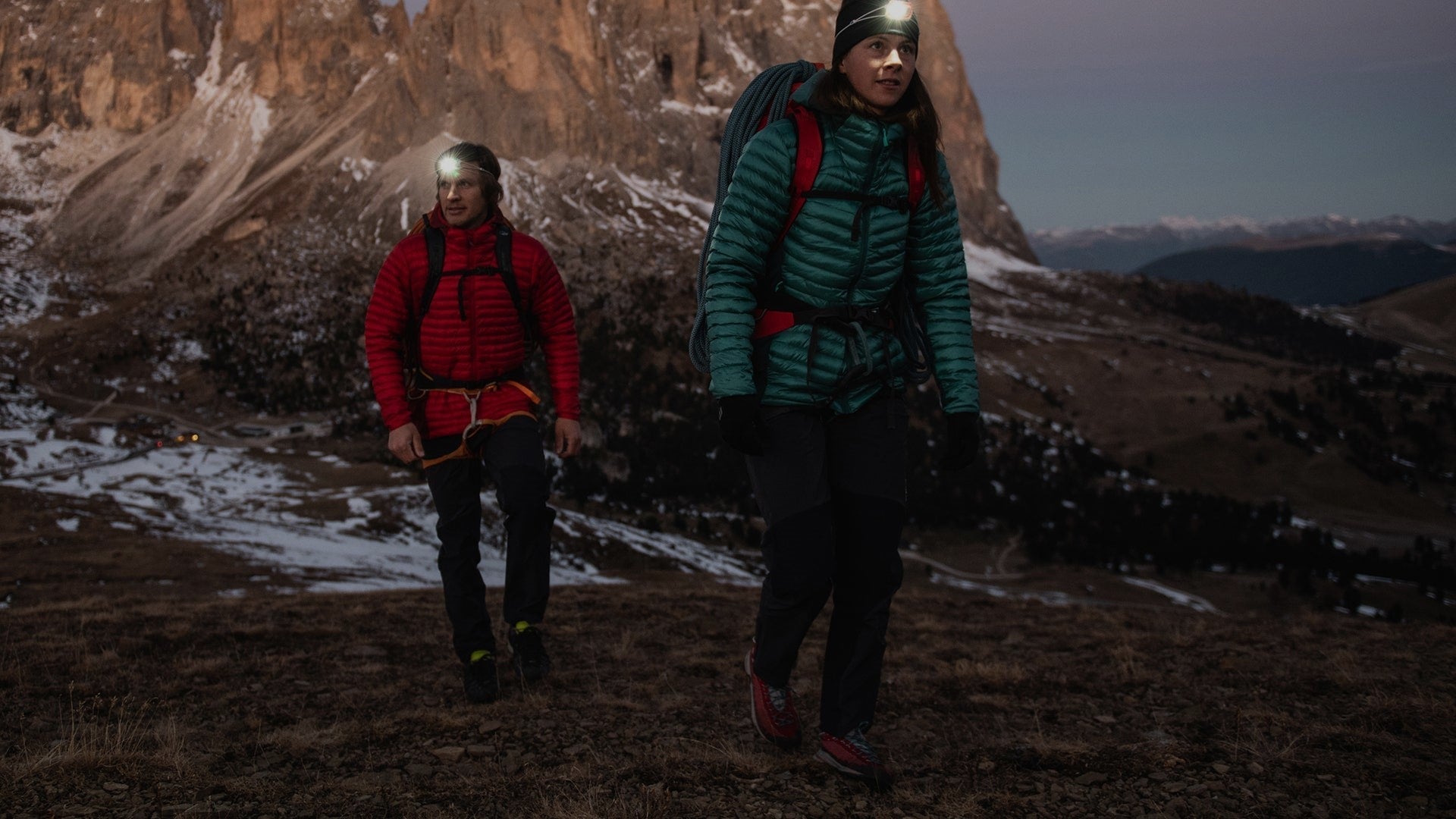
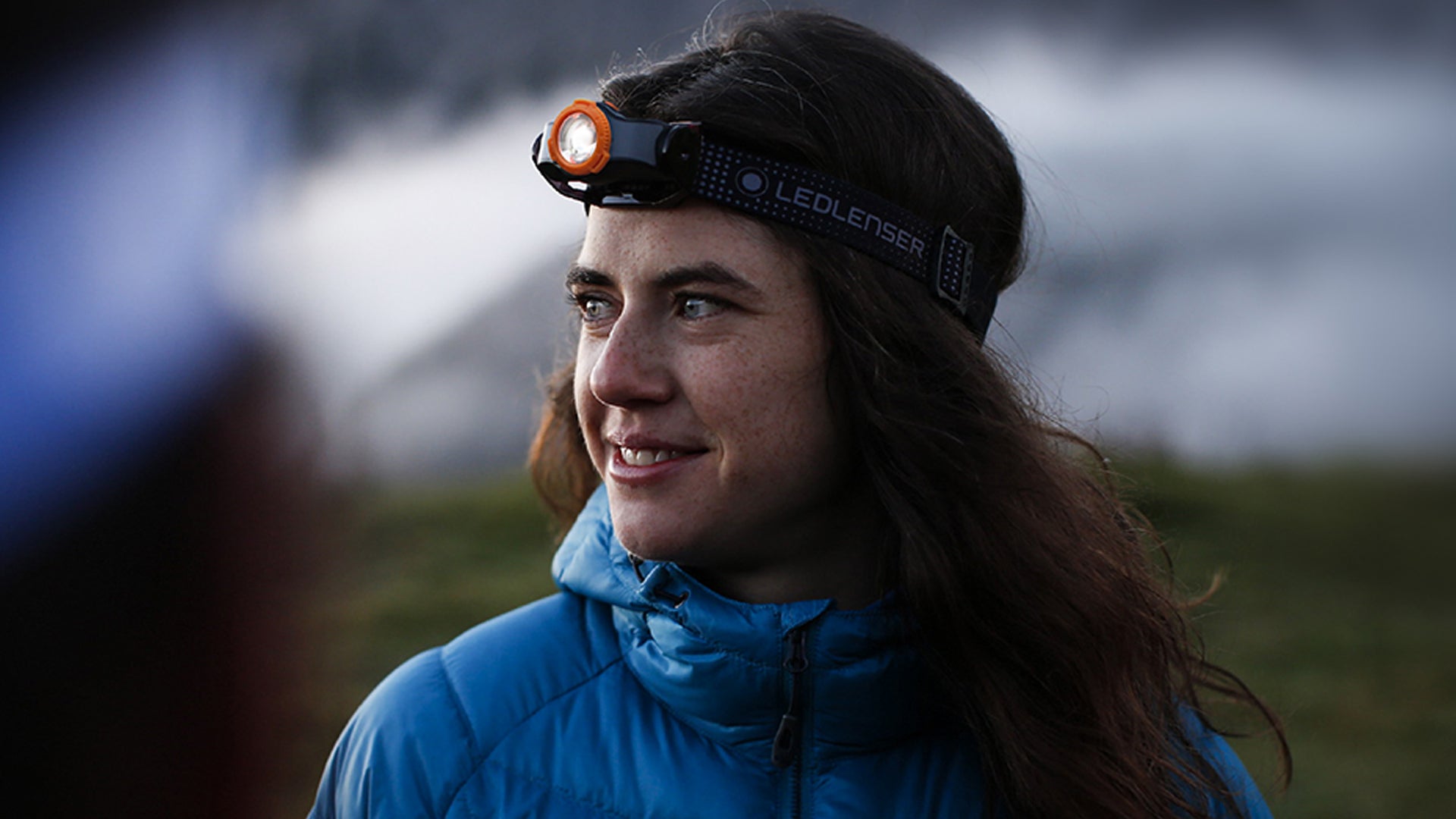
- Headlamp with spare batteries: Huts don't have 24-hour lighting throughout, and early starts on Day 3 for MacKinnon Pass are common.
- Microfibre towel: Huts don't supply towels. A lightweight microfibre towel dries fast and takes minimal space.
Final Weight Check
Before you leave Te Anau, weigh your pack. Most experienced trampers target under 18kg with food and water for a hut-based Great Walk like the Milford. If you're over 20kg, review what you're carrying and cut ruthlessly. Every extra kilogram compounds across 53.5km and makes that MacKinnon Pass descent significantly harder.
The Milford Track rewards preparation. Sort your gear list early, book your huts the moment the booking window opens, and get your boots worn in well before your departure date. The walk itself is spectacular — but only if you're not suffering through it in wet gear with a pack that's killing your knees.