Tramping Checklist NZ 2026 — What to Pack for Backcountry Hikes

Tramping Checklist NZ 2026 — What to Pack for Backcountry Hikes

This checklist covers everything you need for a multi-day backcountry tramp in New Zealand — DOC hut trips, Great Walks, and overnight backcountry routes. Everything on your back, no car boot to fall back on.

For insulation, the Rab Microlight Alpine Jacket (mens, RRP $399.95) or Womens Rab Microlight Alpine Jacket (RRP $399.95) are excellent packable down options for NZ tramping.

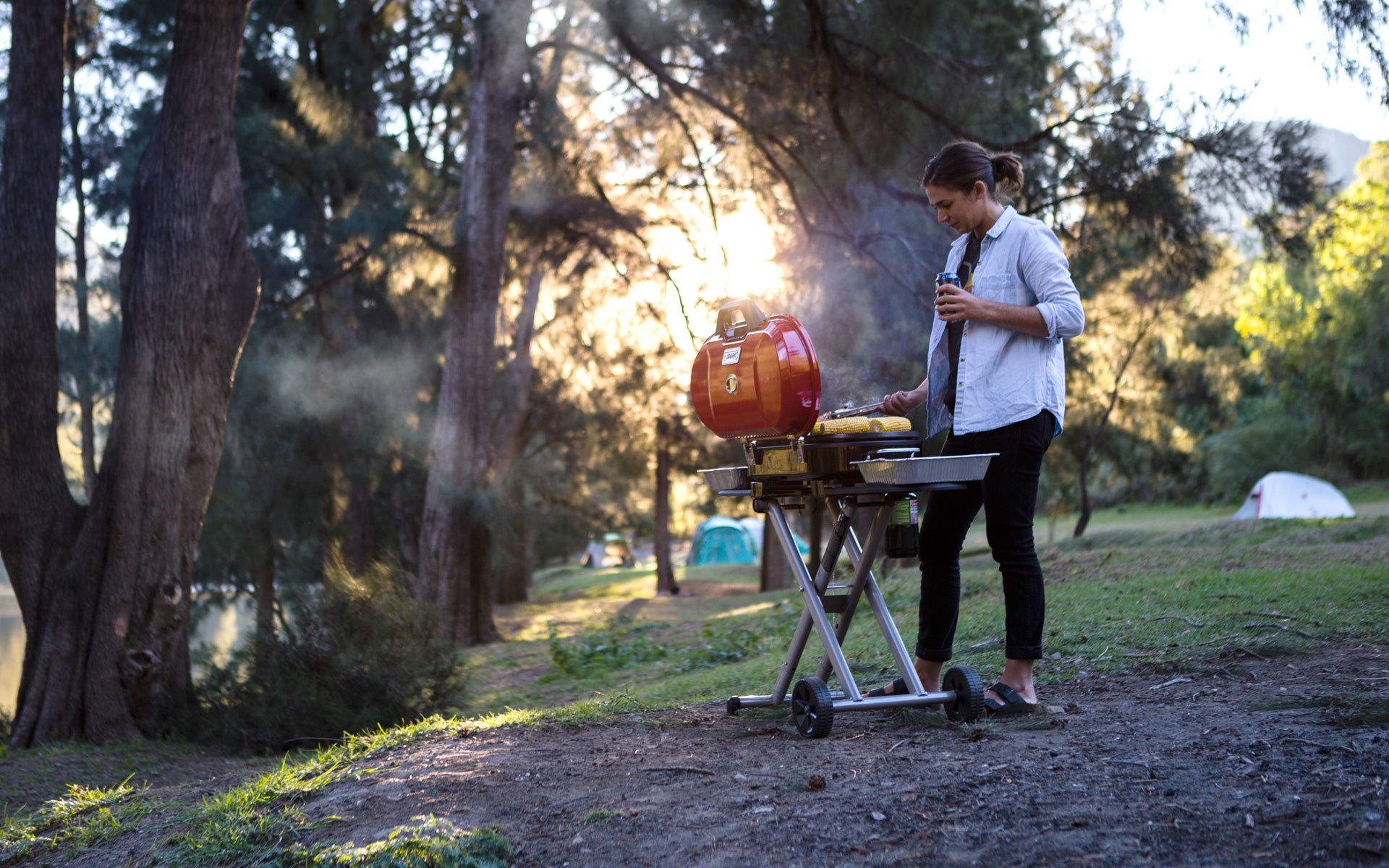
This is not a car camping checklist. If you're packing the car for a campground trip with camp chairs, chilly bins, and air mattresses, see our Car Camping Checklist NZ 2026 instead.

Work through this list section by section before you leave home. Forgetting a headlamp on a day walk is an inconvenience. Forgetting one on a three-day backcountry tramp is a problem.


1. Pack

Your tramping pack is the single piece of gear that affects your comfort most. A poorly fitted pack turns every day into an endurance test. Get this right first.

  • Tramping pack: 50–65L for a 2–4 day trip, 65–75L for longer trips or winter tramping. The pack must fit your torso length and transfer weight to your hips, not your shoulders.
  • Pack liner: A heavy-duty rubbish bag inside your pack keeps everything dry even if your pack isn't waterproof. More reliable than a rain cover alone.
  • Rain cover: Use in addition to a pack liner, not instead of one.
  • Dry bags/stuff sacks: Organise gear into categories (sleep, clothes, food) for quick access.

For guidance on loading your pack efficiently, see our how to pack a tramping pack guide.


2. Sleeping System

DOC huts are unheated. Backcountry campsites are exposed. Your sleeping system needs to keep you warm in conditions colder than you expect.

  • Sleeping bag: Rated to -5°C to -10°C comfort for three-season tramping. Down bags offer the best warmth-to-weight ratio; synthetic bags perform better when wet and cost less. A compression stuff sack saves pack space.
  • Sleeping mat: R-value 3+ for three-season use. An inflatable or self-inflating mat provides comfort and critical insulation from the ground or hut platform. Browse sleeping mats.
  • Sleeping bag liner: Adds 5–10°C of warmth and keeps your bag cleaner. Silk is lightest; fleece adds more warmth.
  • Pillow (optional): A compressible camp pillow or stuff your puffy jacket into a stuff sack.

3. Clothing — Layering System

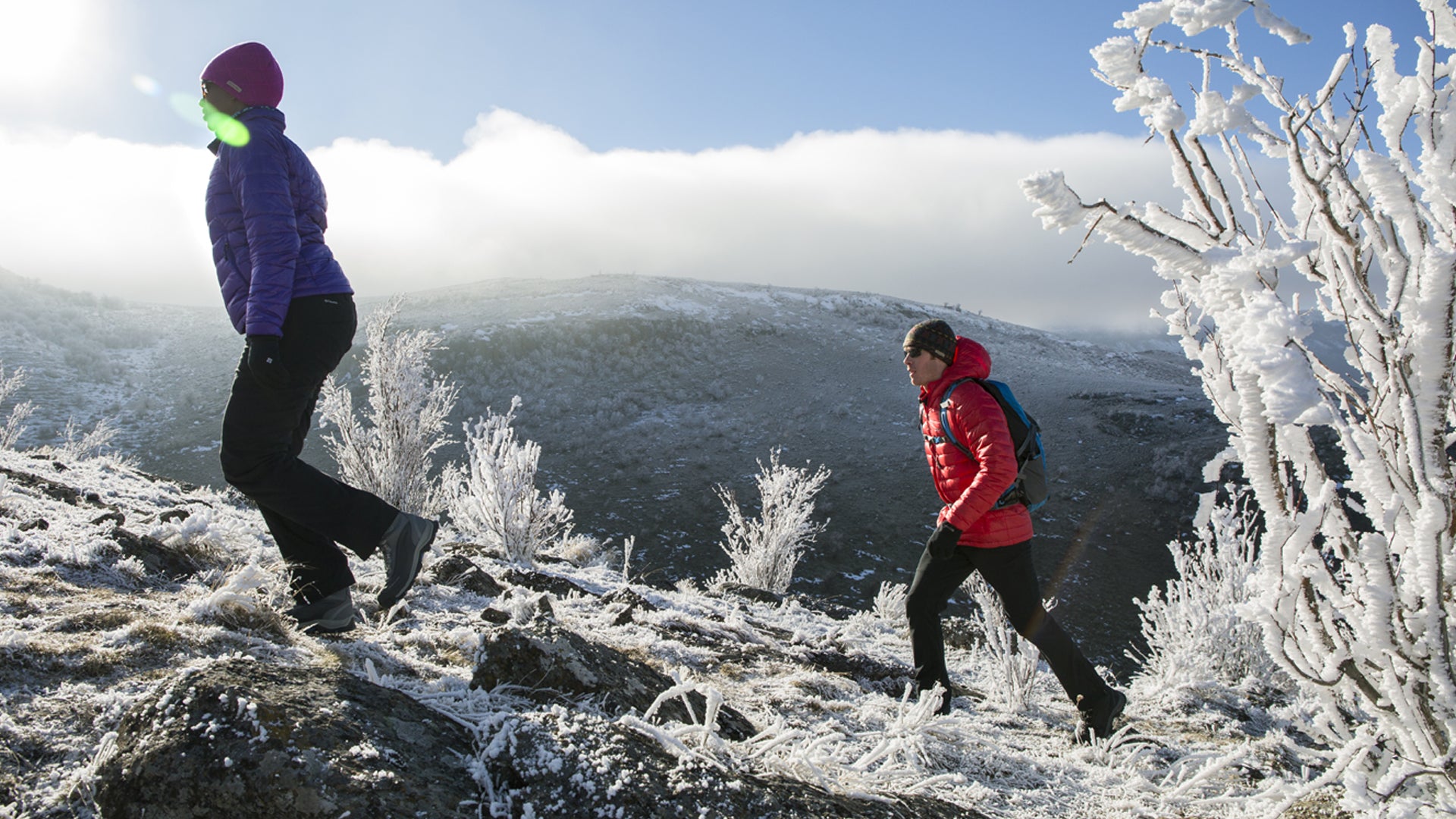
NZ weather changes fast. The layering system lets you add or remove layers as conditions shift — far more effective than a single heavy garment. For the full breakdown, see our layering system guide.

Base Layer

  • Merino base layer top: 200gsm for three-season use. Merino regulates temperature, manages moisture, and resists odour for days. Peak XV merino is our lead recommendation. See our base layers guide.
  • Merino base layer bottoms: Essential for cold-weather tramping, optional but recommended for three-season trips.
  • Spare base layer top: One to wear, one dry in your pack.

Mid Layer

  • Fleece jacket: 200-weight fleece is the standard tramping mid-layer. Provides insulation while breathing well on the move. Browse fleece jackets.
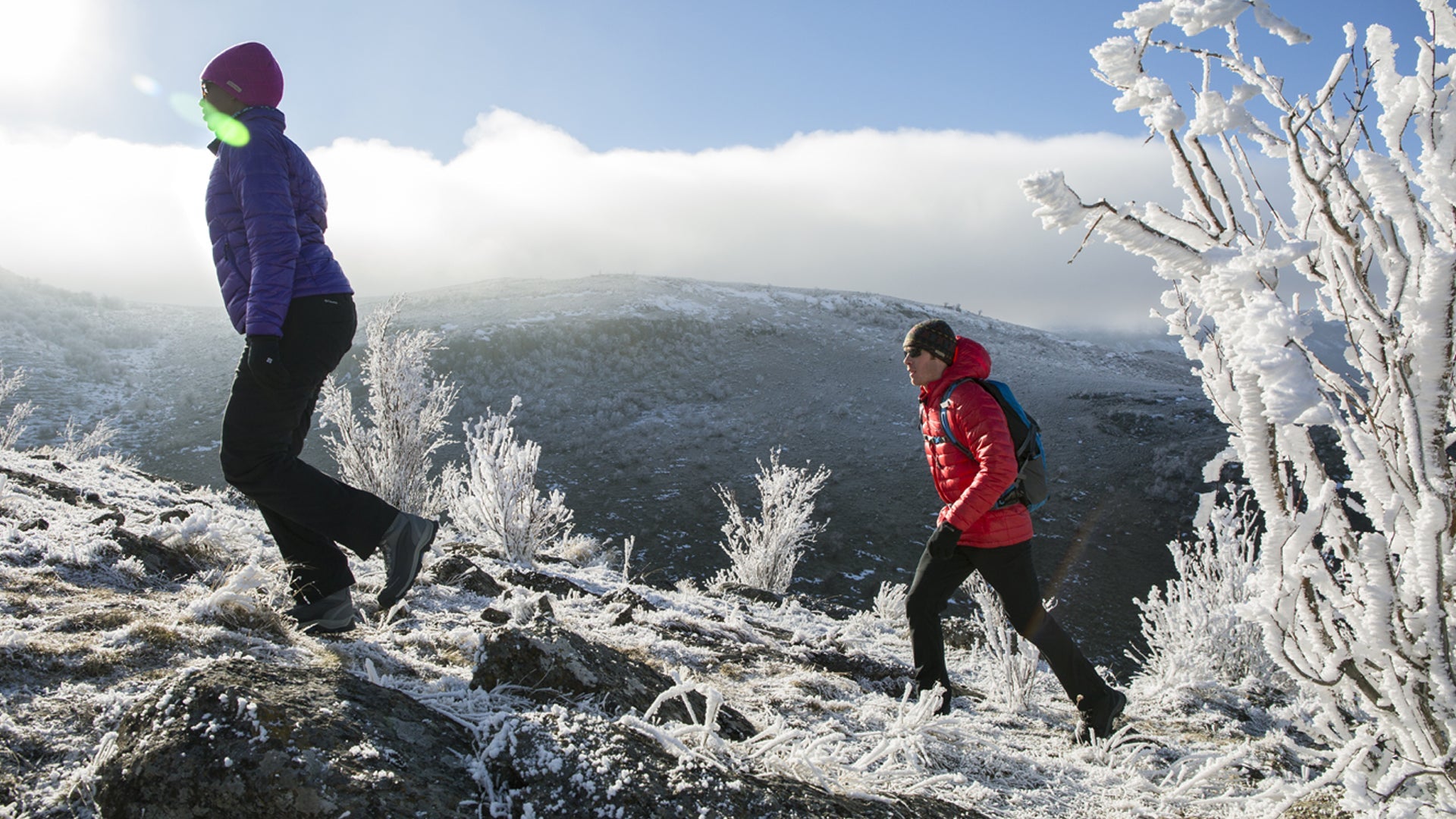
  • Insulated jacket (puffy): Down or synthetic. Worn at rest, in huts, and as an emergency warmth layer. A quality insulated jacket is non-negotiable for overnight tramping. Browse insulated jackets.

Outer Layer

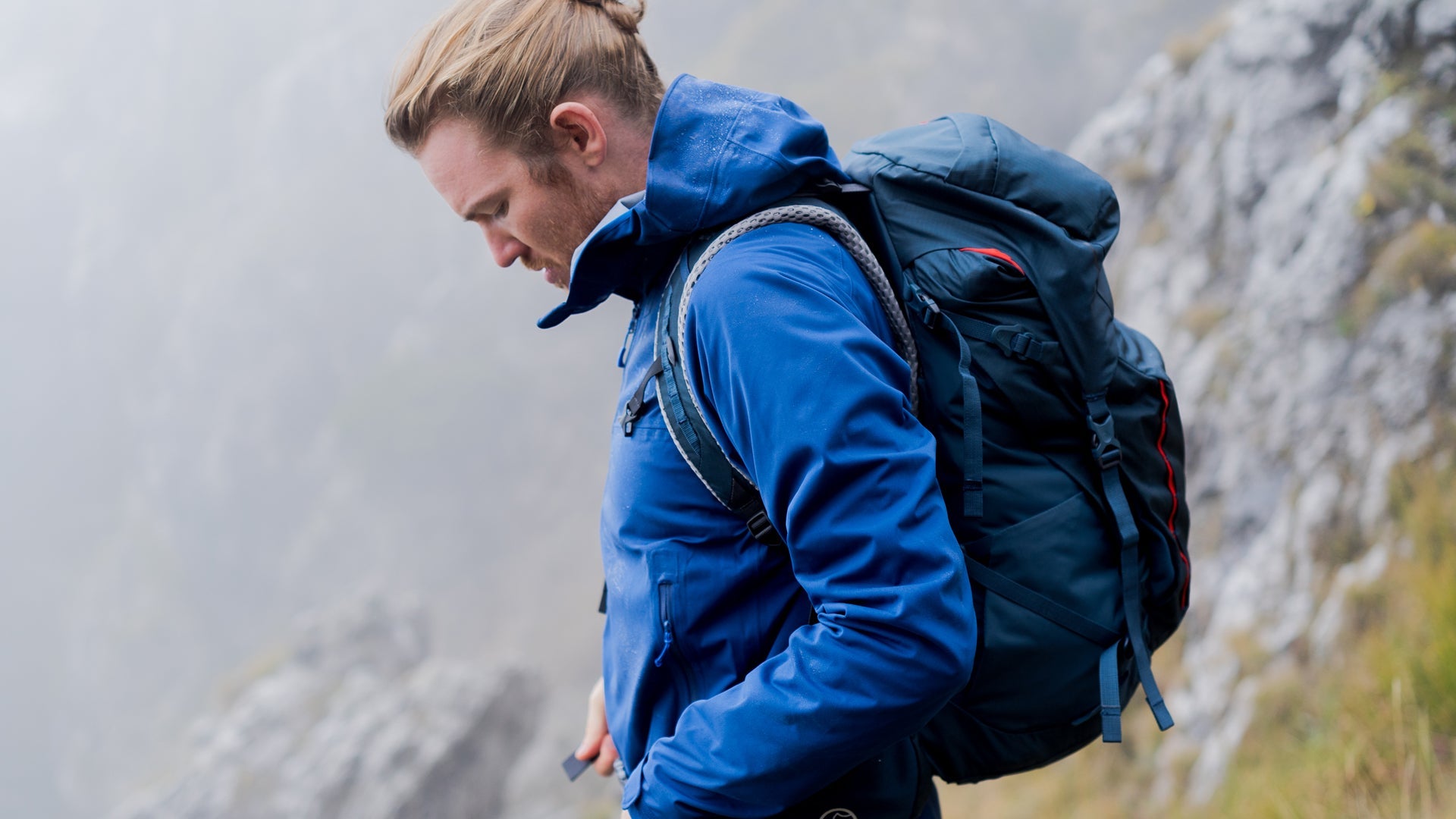
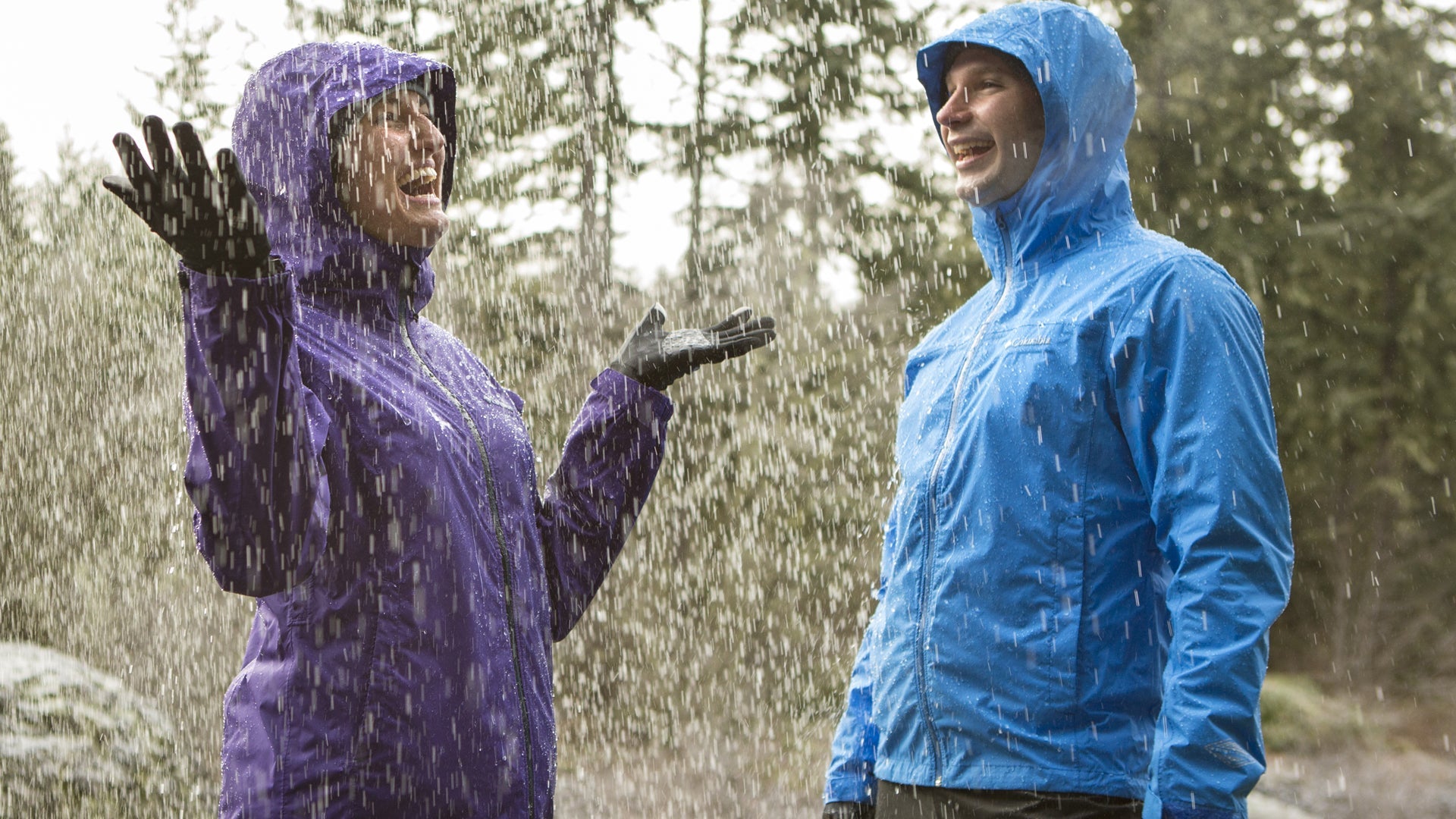
  • Waterproof rain jacket: Fully seam-sealed with a hood. This is your primary weather protection. Do not tramp in NZ without one regardless of the forecast. See our rain jacket guide.
  • Waterproof rain pants: Essential for exposed or alpine tracks. Full-length side zips make them easy to pull on over boots. See our waterproof pants guide.

Extremities

  • Warm hat/beanie: Merino or fleece.
  • Gloves: Lightweight merino or fleece gloves for three-season; insulated gloves for winter.
  • Sun hat: Wide brim for sun protection on exposed ridges.
  • Buff/neck gaiter: Versatile — sun protection, warmth, face cover in wind.

Feet

  • Hiking boots: Sturdy, ankle-supporting, broken in before the trip. See our hiking boot guide.
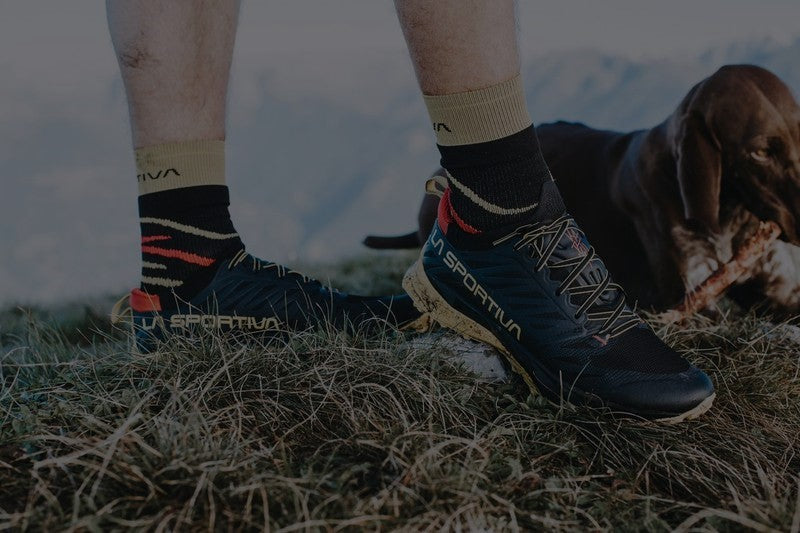
  • Merino hiking socks: At least two pairs — one wearing, one drying. See our hiking socks guide.
  • Sock liners (optional): Reduce friction and blisters on long days.
  • Gaiters: Keep mud, water, and debris out of your boots on muddy NZ tracks. See our gaiters guide.
  • Hut shoes: Lightweight sandals or slip-ons for hut evenings. Your feet will thank you.

4. Navigation

Do not rely on your phone alone. Batteries die, screens crack, and cellphone coverage is non-existent on most NZ tracks.

  • Topographic map: NZ Topo50 series covers all tramping areas. Carry a paper copy even if you have a GPS device.
  • Compass: Know how to use it with your topo map. A basic orienteering compass is sufficient.
  • GPS device or phone app: AllTrails, NZ Topo, or a dedicated GPS unit. Download offline maps before you leave — there is no signal on-trail.
  • Track notes/route description: Printed or saved offline. DOC provides detailed track descriptions on their website.

5. Safety

Backcountry safety in NZ is your responsibility. Search and rescue is free, but prevention is better than rescue.

  • PLB (Personal Locator Beacon): Essential. This is your emergency lifeline when cellphone coverage fails — which it will on most NZ tracks. Register with the NZ Rescue Coordination Centre. PLB hire is available from DOC visitor centres and outdoor retailers. See our PLB guide.
  • First aid kit: Comprehensive, not travel-sized. Include: wound dressings, blister treatment (Compeed), pain relief, antihistamines, personal medications, triangular bandage, tweezers, medical tape.
  • Emergency shelter: A lightweight bivvy bag or emergency blanket. Weighs almost nothing, potentially life-saving if you're caught out.
  • Whistle: Three blasts is the international distress signal. Most packs have a whistle built into the sternum strap clip.
  • Intentions form: Leave your trip details with a trusted contact AND log intentions with DOC's online system or at the track's intentions book. Include: route, expected dates, group size, contact details.

6. Food and Water

You're carrying every meal on your back. Plan for 600–900g of food per person per day, aiming for 2,500–3,500 calories depending on terrain and exertion. Always carry one extra day's food as a buffer.

Food

  • Freeze-dried meals: Lightweight, calorie-dense, easy to prepare. See our freeze-dried meals guide.
  • Breakfast: Instant porridge, muesli, or granola.
  • Lunch/snacks: Trail mix, nut butter sachets, wraps, salami, cheese (first day), crackers, muesli bars, dried fruit.
  • Hot drinks: Tea bags, instant coffee, hot chocolate.
  • Electrolytes: Especially for hot-weather or high-output days.

For detailed tramping nutrition planning, see our tramping food guide.

Water

  • Water bottles or hydration bladder: Carry at least 1–2L capacity. Hydration bladders make drinking on the move easy.
  • Water treatment: DOC recommends treating all backcountry water. Options: filter (Sawyer Squeeze or similar), UV (SteriPEN), chemical (chlorine dioxide tablets). See our water filters guide.

7. Cooking

  • Camp stove: Lightweight canister stove for most tramping. Integrated systems (Jetboil) are fast and fuel-efficient for boil-only cooking. See our camping stoves guide.
  • Fuel canister: Match size to trip length. A 230g canister lasts roughly 3–4 days for a solo tramper boiling water twice daily.
  • Lightweight pot: 750mL–1L is sufficient for solo or duo cooking.
  • Spork/utensils: One spork, one lightweight cup.
  • Lighter + backup lighter: In a waterproof bag. Matches as a third backup.

8. Miscellaneous Essentials

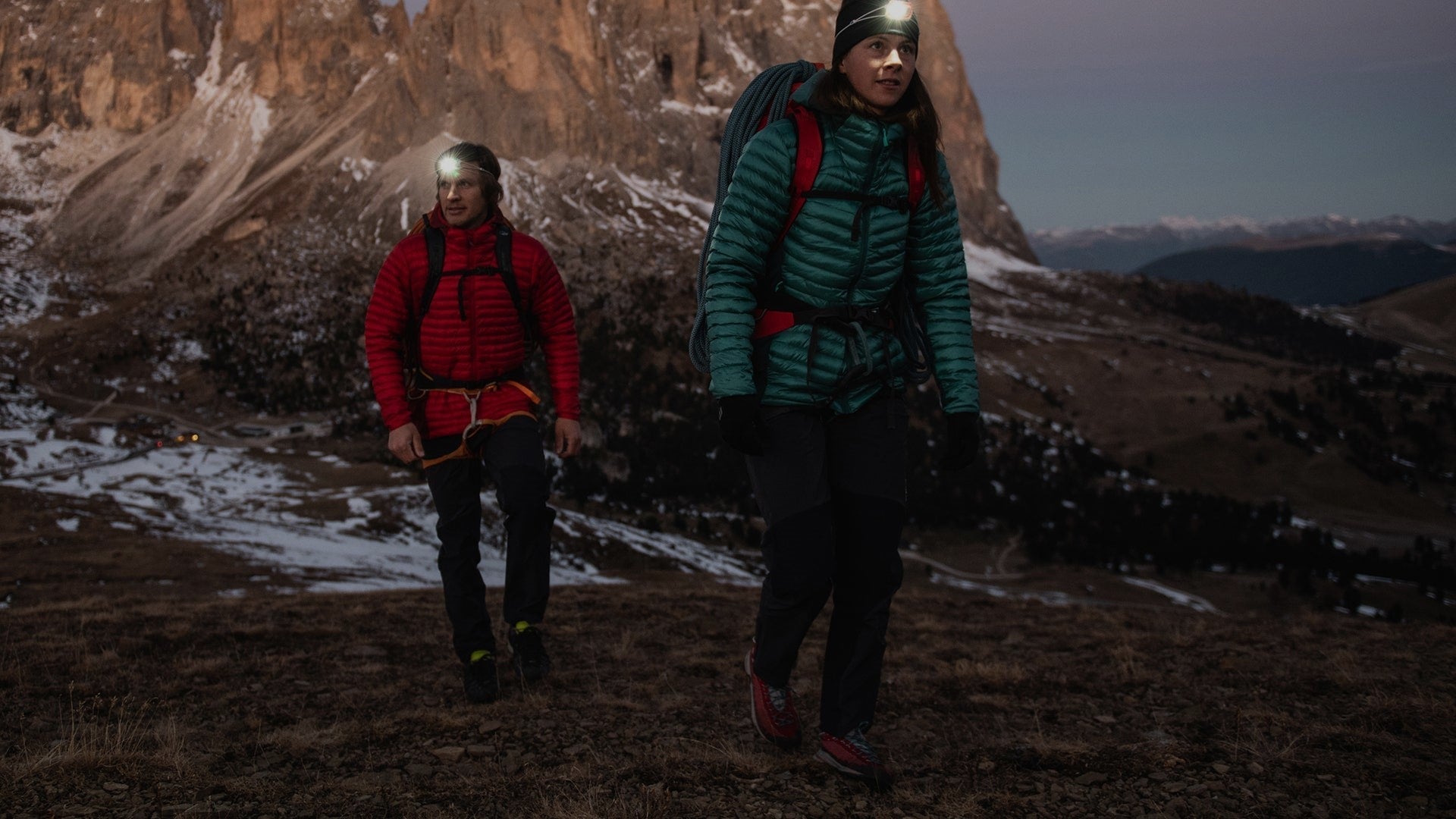
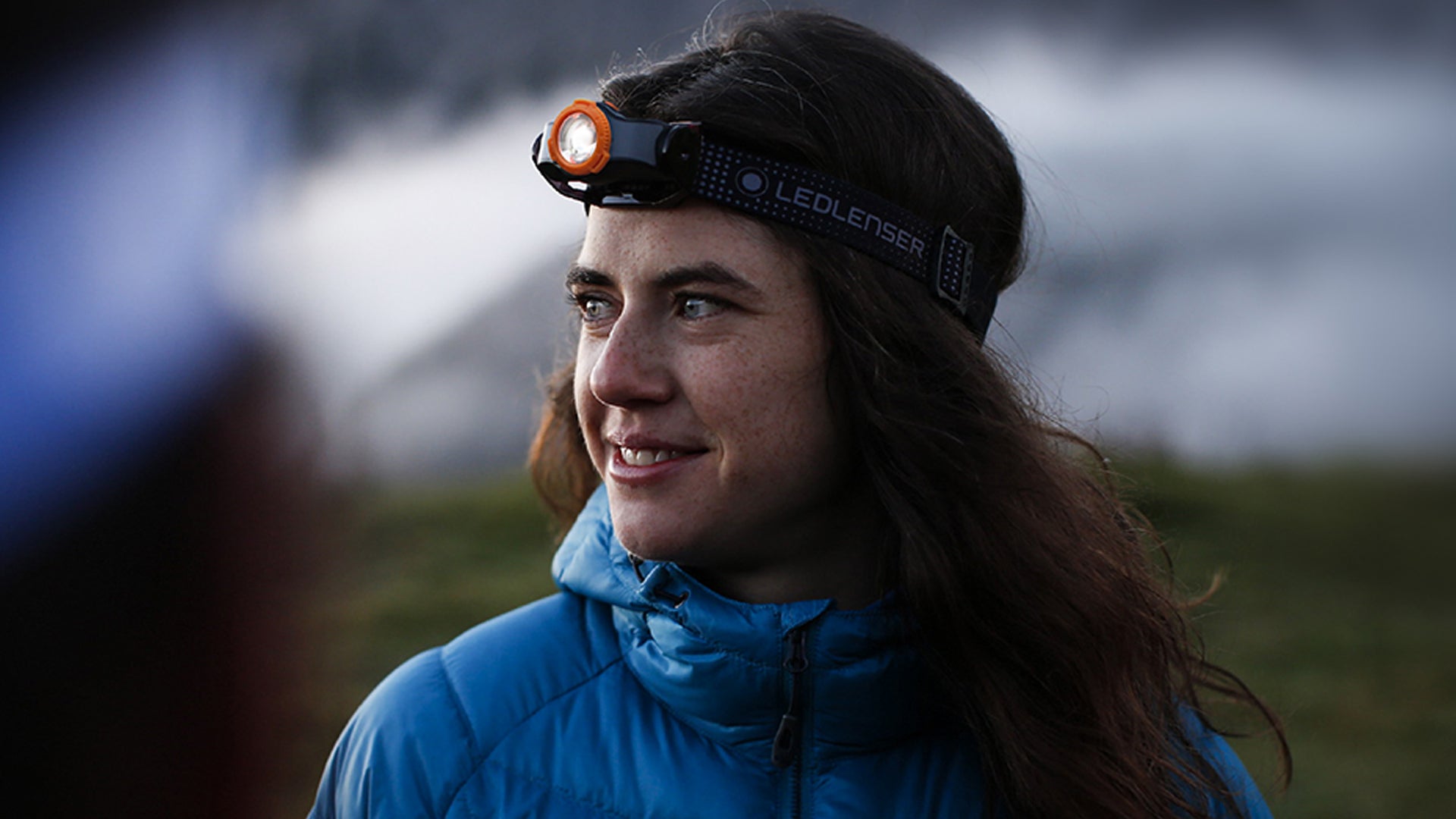
  • Headlamp: With spare batteries or fully charged. Every person carries their own.
  • Sunscreen (SPF 50+): NZ UV is among the highest in the world, especially at altitude.
  • Sunglasses: UV-rated. Essential for snow, ridges, and alpine sections.
  • Insect repellent: Sandflies on the West Coast and Fiordland are relentless.
  • Trekking poles: Reduce knee strain on descents and improve stability on rough terrain. See our hiking poles guide.
  • DOC hut pass or tickets: Required for backcountry huts. Great Walk huts require specific booking. Check doc.govt.nz.
  • Rubbish bags: Pack it in, pack it out. No exceptions.
  • Toilet paper + trowel: Not all backcountry campsites have toilets. Bury waste 50m+ from water.
  • Duct tape or tenacious tape: Repairs gear, patches tents, fixes blisters in a pinch.
  • Phone in a waterproof case: For photos and emergency backup — not as your primary navigation device.
  • Power bank: If carrying electronic devices. Keep it in a dry bag.

What NOT to Pack

Backcountry tramping is about carrying only what you need. Leave these at home:

  • Camp chairs (there are benches in huts)
  • Air mattresses or thick self-inflating mattresses (too heavy and bulky)
  • Camp table
  • Chilly bin / cooler
  • Camp kitchen gear (two-burner stove, full cookware set)
  • More than two changes of clothes
  • Heavy books (download to your phone instead)
  • Glass bottles
  • Cotton clothing (holds moisture, dries slowly, dangerous when wet)

Every gram matters when it's on your back for 6+ hours a day. If you're not sure whether to pack something, leave it out.


Ready to Go?

Print this checklist, lay everything out on the floor, and pack methodically. Heavy items go closest to your back and centred between your shoulder blades and hips. Frequently used items (snacks, rain jacket, water) go in top or hip belt pockets.

If you're packing for a specific NZ track, we have detailed gear lists for major routes including the Routeburn, Milford, Tongariro Alpine Crossing, and more — check our NZ Great Walks gear list hub.

For car camping trips where weight doesn't matter and comfort is the priority, see our Car Camping Checklist NZ 2026.

FAQ: Tramping Checklist NZ

What do I need for a multi-day tramp in NZ?

The essentials: a 50–65L tramping pack, sleeping bag rated to -5°C or lower, sleeping mat (R-value 3+), merino base layers, mid-layer fleece, waterproof rain jacket and pants, sturdy hiking boots, headlamp, first aid kit, PLB, navigation (map + compass), water treatment, food for all days plus one spare, and a camp stove with fuel.

Do I need a PLB for tramping in NZ?

Yes. Cellphone coverage is unreliable or non-existent on most NZ tracks. A PLB is your emergency lifeline. Register with the NZ Rescue Coordination Centre. Hire one if you don't own one.

What sleeping bag do I need for NZ DOC huts?

DOC huts are unheated. For three-season tramping, a sleeping bag rated to -5°C to -10°C comfort is recommended. Down bags offer the best warmth-to-weight ratio; synthetic bags are cheaper and perform better when wet.

How much food should I pack for a multi-day tramp?

Plan for 600–900g per person per day (2,500–3,500 calories). Always carry one extra day's food as a buffer for weather delays or unexpected route changes.

Is NZ backcountry water safe to drink?

Not always. Giardia and other waterborne pathogens are present in some catchments. DOC recommends treating all backcountry water. Use a filter, UV treatment, or chemical treatment.