

Roys Peak Track Gear List 2026

Roys Peak Track Gear List 2026 — What to Pack for the Wanaka Iconic

There is a reason Roys Peak is one of the most photographed viewpoints in New Zealand. The panorama from the summit — Lake Wanaka below, the Matukituki Valley stretching west, and the full sweep of the Southern Alps — is simply outstanding. On a clear day it is a genuinely breathtaking reward for the climb. And there is a real climb involved: the track gains around 1,300 metres of elevation over 8km on the way up, all of it on open, exposed ridgeline with virtually no shade.

That exposure defines what you need to pack for Roys Peak. This is not a technical walk, but it is a demanding one. The right gear makes the difference between a memorable day out and a miserable slog. Here is exactly what to bring.

Track Overview

  • Distance: 16km return
  • Time: Approximately 5–6 hours return
  • Grade: Intermediate
  • Location: West of Wanaka, off Mount Aspiring Road
  • Key features: Panoramic views of Lake Wanaka and the Southern Alps, long exposed ridgeline
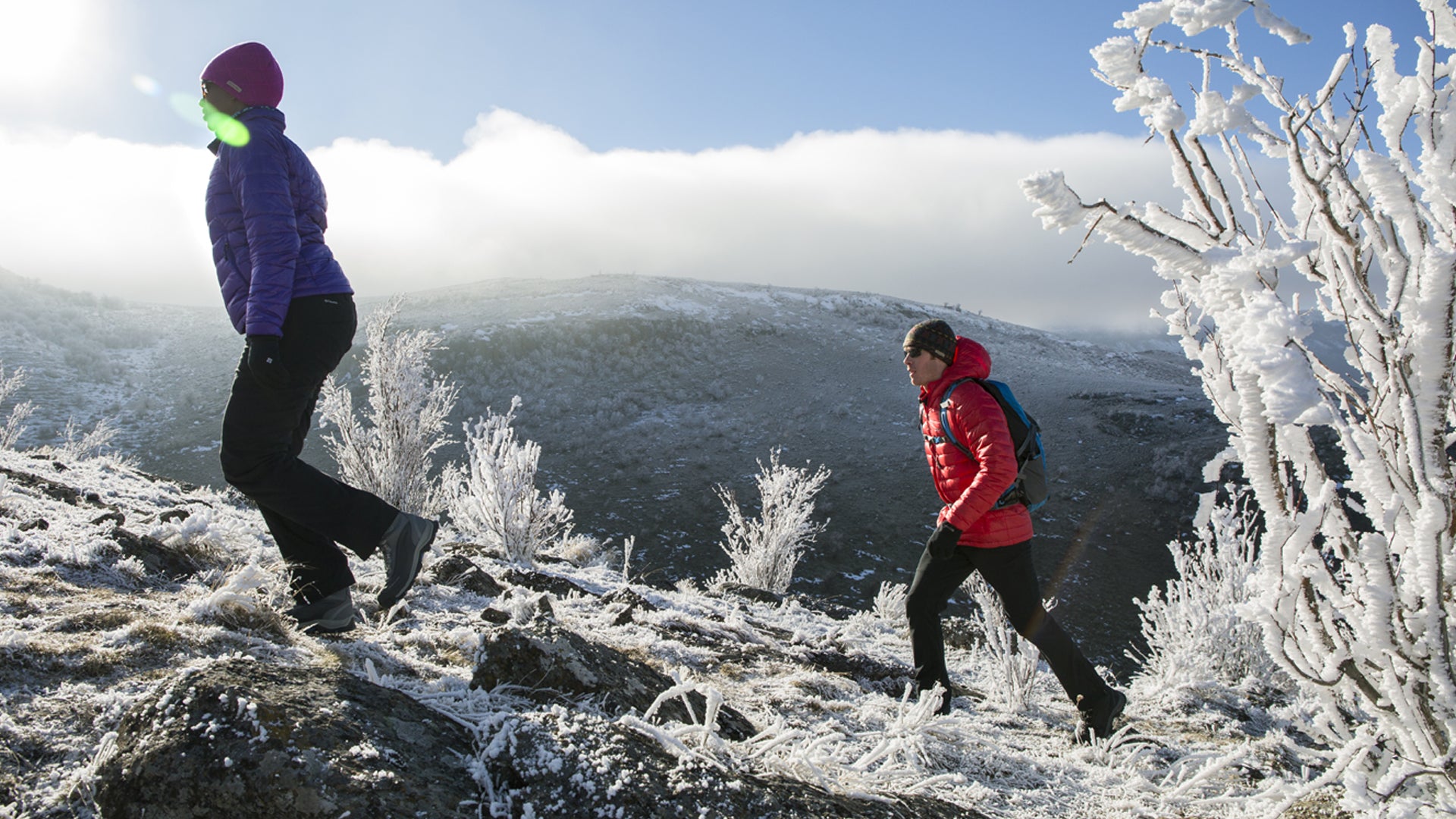
  • Hazards: Extreme sun exposure, very little shade, icy conditions in winter
  • Facilities: None on track. Portable toilets at the carpark.
  • Season: Best October–April; can be icy in winter, occasional closures

The track starts from a carpark on Mount Aspiring Road, roughly 6km west of Wanaka. From the gate, it is a relentless but well-defined climb up the ridge. There are no river crossings or technical sections — just a long, sustained ascent on open farmland and tussock. The views open up almost immediately and improve with every 100 metres of elevation gained. The summit sits at 1,578 metres and the 360-degree views on a clear day are exceptional.

Be aware that the track passes through private farmland — there is a formal access agreement in place. Stay on the marked route and follow any signage from the landowner.

Essential Gear for Roys Peak

1. Footwear

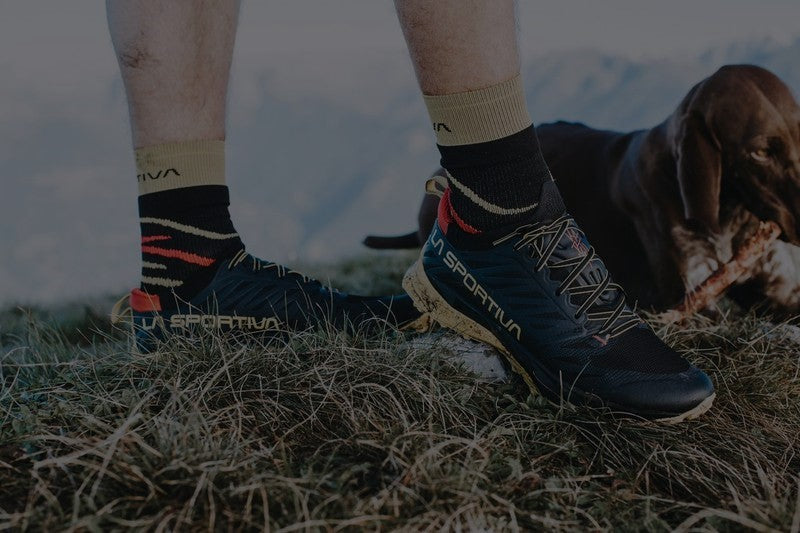
On a dry summer or autumn day, trail runners with a grippy outsole are entirely suitable for Roys Peak. The track surface is generally firm and well-worn, and the additional ankle support of a full hiking boot is not required in good conditions. The key is grip — the grassy ridgeline can be surprisingly slippery when damp.

In winter or after rain, waterproof hiking boots become the better choice. The upper ridge can ice up, and a boot with stiffer construction and waterproof lining will serve you much better than a wet trail runner on a cold morning. See our 2026 hiking boots guide for current picks. La Sportiva and Salewa both produce good options in this category. The full hiking boots range is available at Dwights.

2. Day Pack (20–30L)

A 20–30L day pack is ideal for Roys Peak. The track is long enough that a comfortable, well-fitted pack matters — especially on the descent when your legs are tired. Look for a pack with decent shoulder and hip belt padding, adequate ventilation across the back panel, and a rain cover or waterproof material.

The Deuter Speed Lite range is a strong choice for this type of full-day walk. Lightweight, well-ventilated, and comfortable under load. See our best day packs guide or browse the hiking packs range at Dwights.

3. Rain Jacket

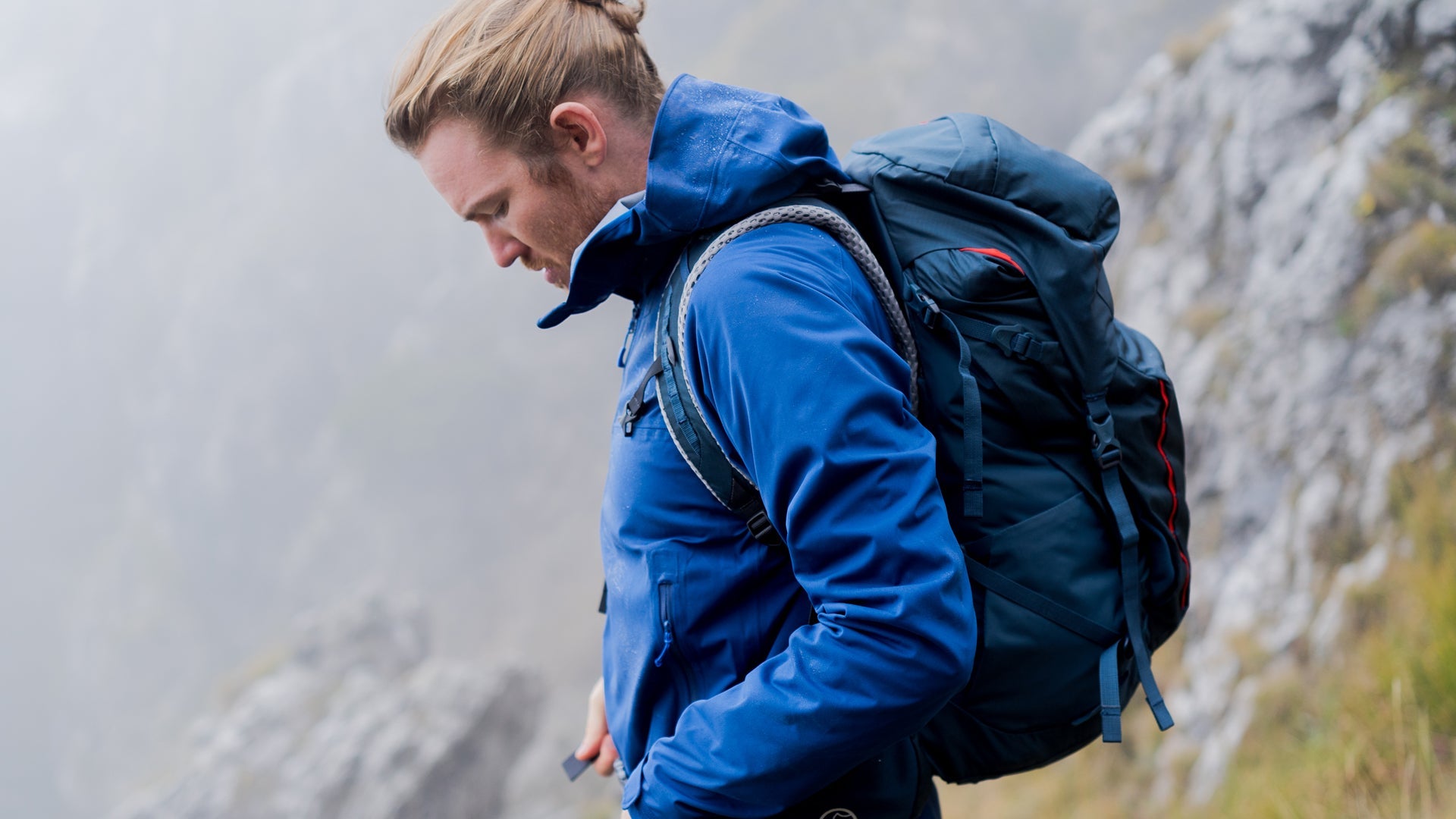
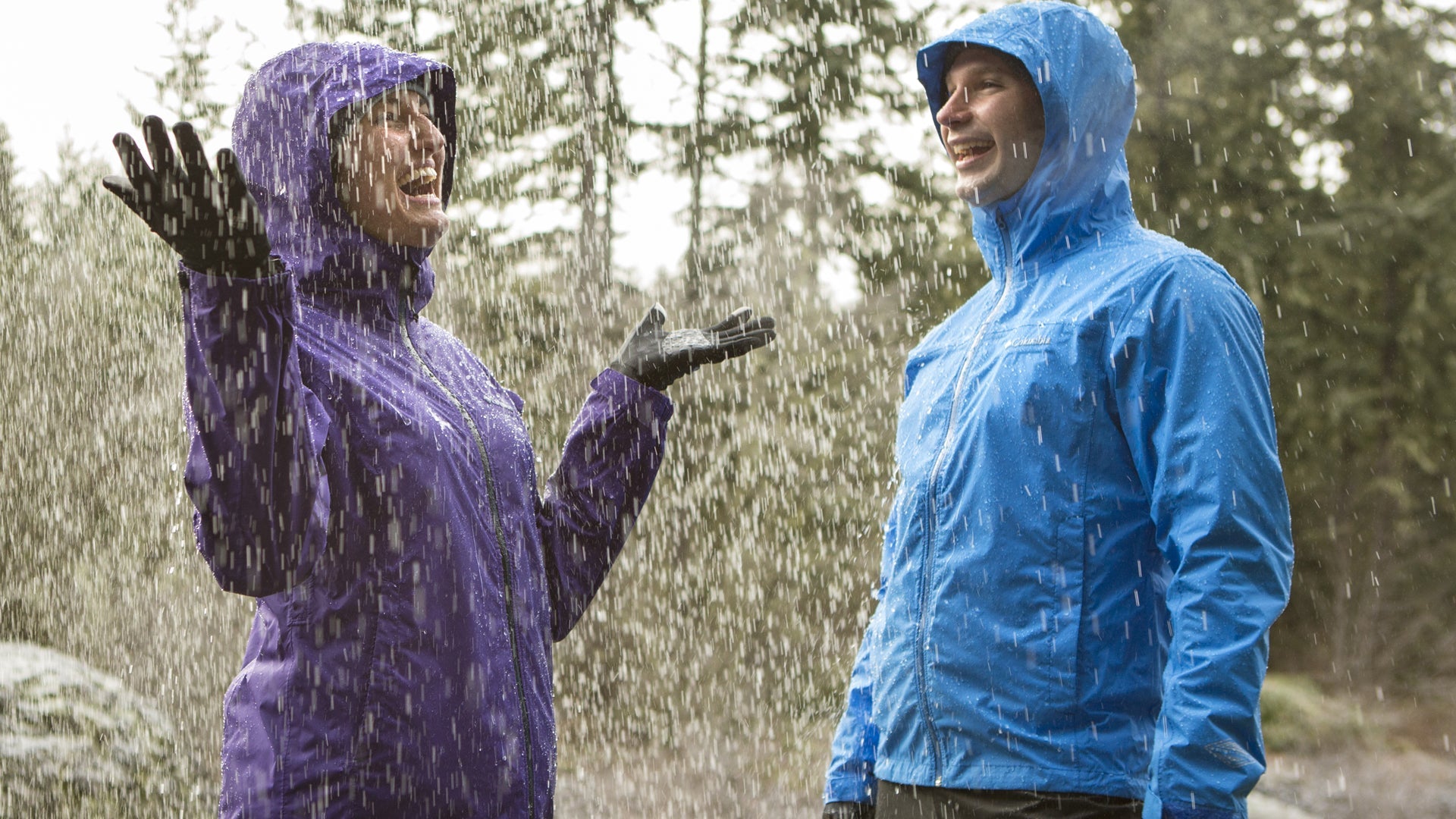
Always pack a rain jacket for Roys Peak, regardless of the forecast. The exposed ridgeline offers no shelter at all if weather moves in, and Lake Wanaka weather can change without much warning. A rain jacket doubles as a windbreaker on the summit, which is almost always cooler and breezier than the trailhead.

The Peak XV Tornado and Peak XV Pinnacle rain jackets offer reliable waterproofing with the breathability you need for a long ascent. See the best rain jackets guide for a comparison of options, or shop the full rain jackets collection.

4. Warm Layers

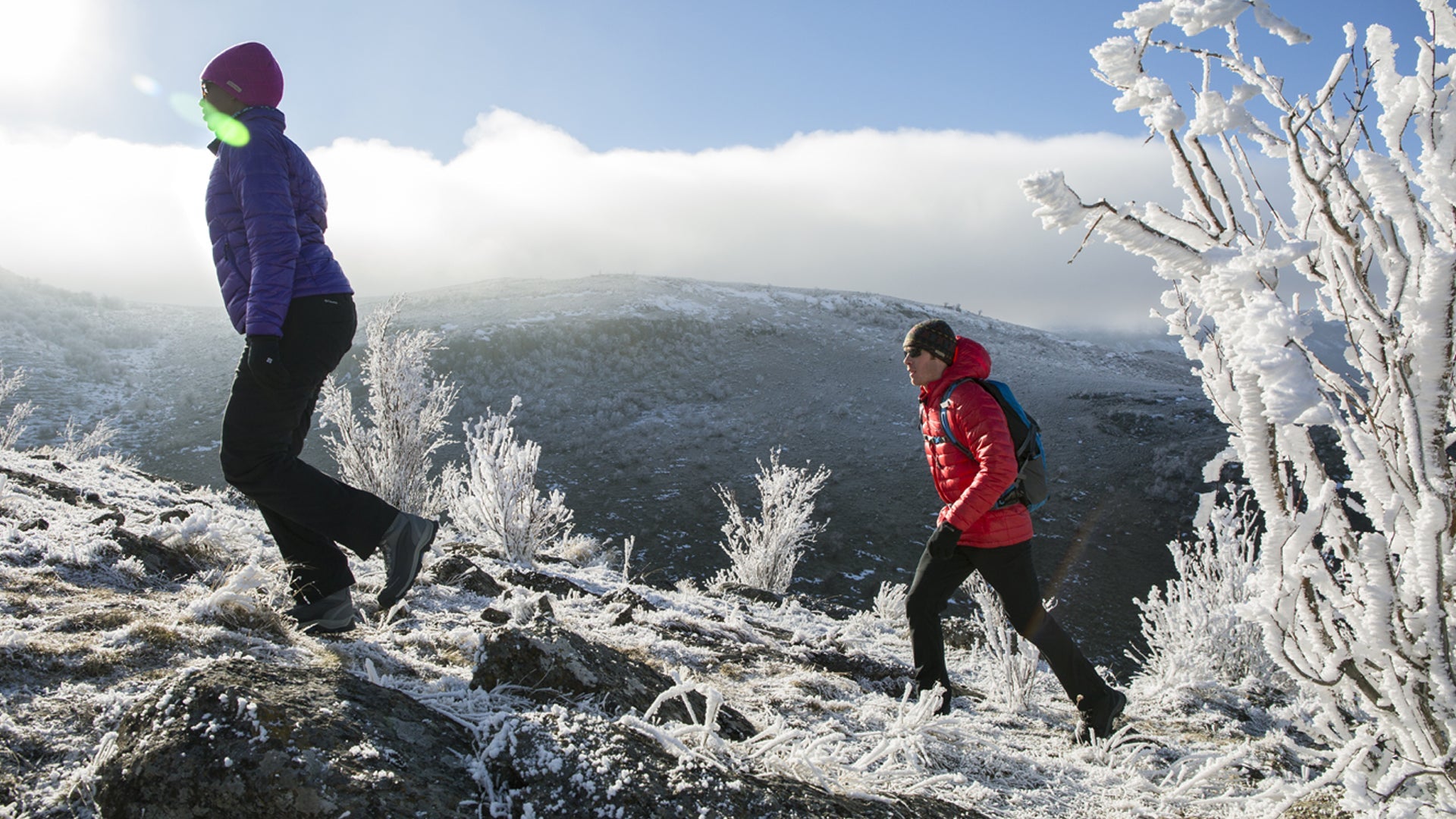
The summit of Roys Peak is significantly colder than Wanaka town, and the wind chill on the ridgeline can catch people off guard on otherwise warm days. Pack a fleece or lightweight insulated jacket that you can pull on at the top. In cooler months (May, September, October), add a beanie and gloves to the list.

The classic layering system works well here: a moisture-wicking base layer, a mid layer (fleece or insulated jacket), and your rain jacket as the outer shell. Start with less and add as you stop — you will work hard enough on the climb to stay warm without extra layers, but the summit stop deserves more insulation.

5. Water

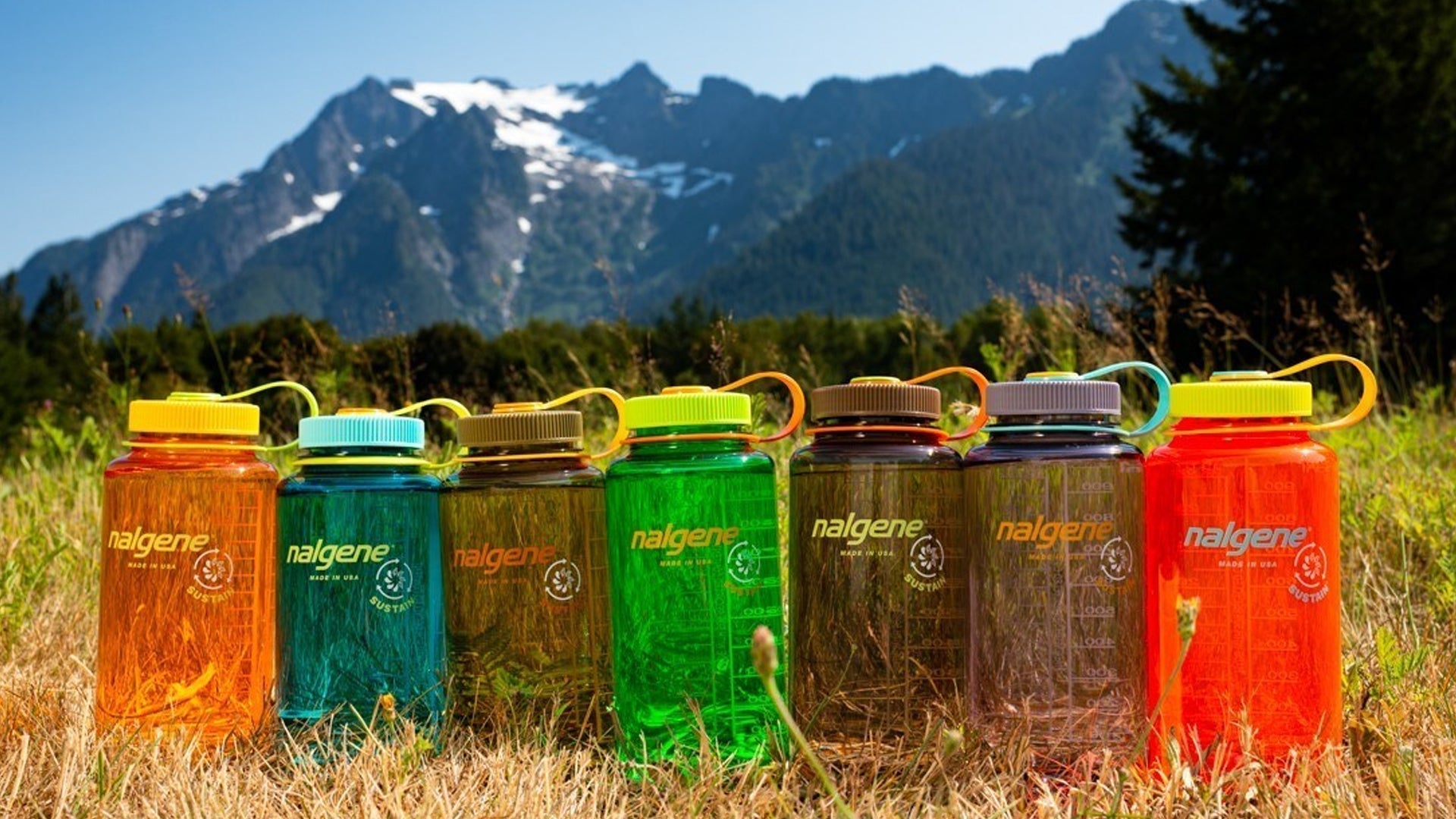
This is the most critical item on the Roys Peak packing list. There are absolutely no water sources on the track — no streams, no taps, no facilities. The exposed ridgeline means you are in direct sun for the majority of the climb, and dehydration happens faster than you expect when you are working hard in the heat.

Carry at least 2–3 litres per person. On hot summer days, lean toward 3 litres. Start well hydrated before you reach the trailhead, and sip consistently rather than waiting until you are thirsty. Running out of water on Roys Peak is a serious problem with no easy fix.

6. Food and Snacks

A 5–6 hour walk requires proper fuelling. Pack a full lunch plus at least two substantial snacks. Energy-dense options — nuts, dried fruit, nut butter pouches, muesli bars, a wrap — pack well and give you sustained energy. The summit is a great place for a proper lunch break if the weather cooperates. See our tramping food and nutrition guide for ideas.

7. Navigation

The Roys Peak Track is well-marked and straightforward to follow in clear conditions. However, if cloud rolls in on the upper ridge, visibility can drop quickly. Download the NZ Topo50 map for offline use before you leave. Apps like NZ Topo50 via Avenza, Topo Maps NZ, or AllTrails work well for this. Mobile coverage is limited or absent on the upper section — do not rely on a live connection.

8. Sun Protection

Sun protection is arguably the most important item on this list after water. Roys Peak is fully exposed from almost the first step of the walk. There is no shade on the ridgeline and virtually none on the approach. New Zealand's UV index reaches extreme levels on clear summer days, and you can burn faster than you think at altitude. Pack SPF 50+ sunscreen, UV-protective sunglasses, and a sun hat or buff. Reapply sunscreen during the walk — especially if you are sweating.

9. First Aid Basics

A compact first aid kit covering blisters, minor cuts, sprains, and headache or anti-inflammatory medication is sufficient for a day walk on Roys Peak. Blisters are a common issue on longer day walks, particularly on the descent. Include blister treatment, a bandage or compression wrap, and any personal medications.

10. PLB

The exposed and remote nature of the upper Roys Peak ridgeline means that a twisted ankle or serious fall could leave you in a difficult situation without reliable phone signal. A personal locator beacon (PLB) is a lightweight piece of insurance that could prove invaluable. See our best PLBs guide for NZ for current recommendations — PLBs are free to register and have no subscription fee.

Optional: Trekking Poles

Poles are particularly useful on Roys Peak for the descent, which is long and puts significant load on your knees. If you have a history of knee issues, poles are close to essential. The Peak XV trekking poles are a reliable option from Dwights. See our best hiking poles guide for what to consider when choosing a pair.

Optional: Head Torch

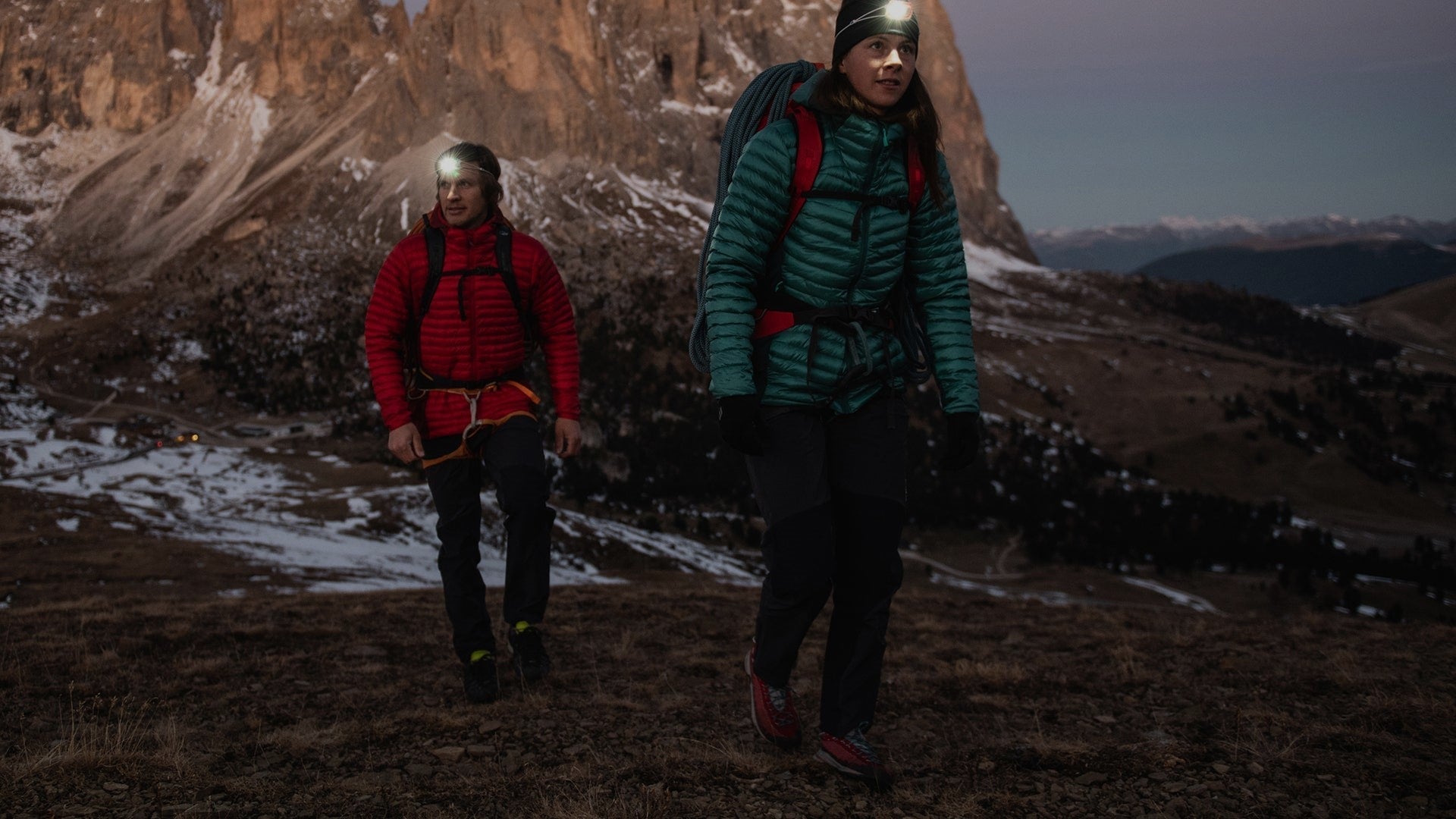
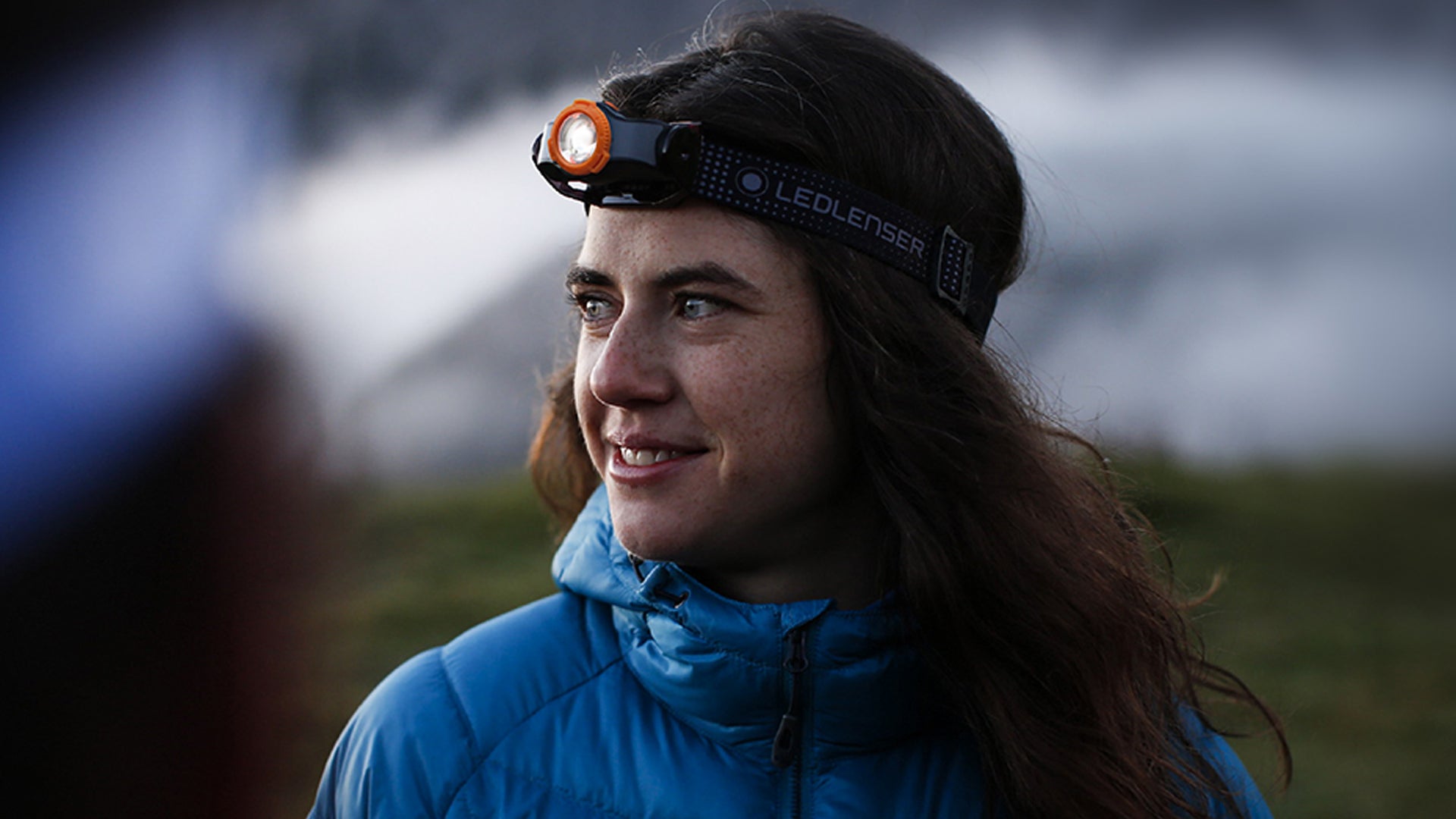
If you start very early for sunrise, or if there is any chance of a later finish, carry a head torch. The track is not lit and descending in the dark without one is genuinely hazardous. The head torches range at Dwights covers everything from compact clip-on options to full-featured trail running lights.

Getting There

The Roys Peak trailhead is located on Mount Aspiring Road, approximately 6km west of Wanaka town centre. There is a carpark at the trailhead gate. No public transport serves the trailhead, so a car or shuttle is required. Parking fills early on summer weekends — arriving before 7am is strongly recommended if you want a park.

The road to the trailhead is sealed and accessible in all vehicles. Wanaka is serviced by flights from Queenstown (via connection) or is a 70-minute drive from Queenstown.

Best Time to Visit

Roys Peak is best walked between October and April. Summer (December–February) offers the longest days and the highest chance of clear views, but also the most people and the most intense sun. Going on a weekday or arriving early on weekends makes a noticeable difference to the experience.

Autumn (March–April) is arguably the best time: fewer walkers, cooler temperatures, and the possibility of snow on the distant peaks adding drama to the views. Spring (October–November) can be excellent but check for any late closures due to winter ice on the upper track.

Winter visits require ice axe and crampons experience and are not recommended for most walkers. The track can be fully iced and closed entirely after heavy snowfall.

Tips for Roys Peak

  • Start early: Beat the heat, beat the crowds, and secure a park. On summer weekends, the carpark can be full by 9am.
  • Bring more water than you think you need: There is no water on the track and dehydration is the number one reason people turn back.
  • Do not skip the sun protection: The UV exposure on Roys Peak is extreme on clear days. Sunscreen, hat, and sunglasses are essential, not optional.
  • Log a trip intention: Use AdventureSmart NZ before every walk in the mountains. It is free and takes two minutes.
  • Do not rush the descent: Your legs will be tired, the track is long, and ankle injuries happen more often on the way down than the way up. Poles help significantly.
  • Check track status: The track passes through private land and can be temporarily closed. Check DOC and the landowner's website before you go.

Frequently Asked Questions

How hard is Roys Peak Track?

Roys Peak Track is graded Intermediate. The 16km return walk involves approximately 1,300 metres of elevation gain, making it a sustained climb rather than a technical challenge. Most reasonably fit walkers can complete it, but the long exposed ridgeline and lack of shade make preparation critical.

What should I wear on Roys Peak?

Wear layers you can add and remove easily. Start with a moisture-wicking base layer, add a fleece or insulated jacket for the exposed ridgeline, and always carry a waterproof rain jacket. The summit is significantly cooler and windier than the trailhead. Sun protection — hat, sunglasses, and SPF 50+ — is essential given the complete lack of shade on the upper track.

Is Roys Peak open year-round?

Roys Peak Track is generally open year-round, but the upper track can be icy in winter and is occasionally closed after severe weather. Always check current track conditions before heading out. The track is best walked October through April.

How much water should I carry on Roys Peak?

Carry at least 2–3 litres of water for Roys Peak. There are no water sources on the track and the exposed ridgeline means you will dehydrate faster than you expect, even on cooler days. Starting well hydrated and keeping up your intake on the way up is important.

Can you do Roys Peak Track in one day?

Yes, Roys Peak is a day walk — there are no overnight huts or camping options. The 16km return walk typically takes 5–6 hours. Start early to avoid the midday heat in summer and to secure parking at the trailhead, which fills quickly on weekends.