DOC Huts NZ — The Complete Guide to Hut Hiking in New Zealand

What Are DOC Huts and Why Do They Matter?

New Zealand's Department of Conservation (DOC) maintains a network of over 950 huts scattered across the country's most spectacular backcountry terrain — from the fiords of the South Island to the volcanic plateau of the central North Island. This network is one of the finest in the world and is a cornerstone of New Zealand tramping culture.

DOC huts matter for a simple reason: they make multi-day tramping accessible. Without huts, completing routes like the Milford Track or the Tongariro Northern Circuit would require carrying heavy camping equipment through challenging terrain. With huts, you can travel lighter, sleep in shelter regardless of weather, and share the experience with other trampers from New Zealand and around the world.

For many Kiwis, their first multi-day tramp involves a DOC hut, and the experience is often what sparks a lifelong love of backcountry travel. Whether you're a seasoned tramper or heading into the hills for the first time, understanding the DOC hut system is essential for planning safe and enjoyable trips across Aotearoa.

DOC Hut Categories Explained

DOC huts are divided into four main categories, each offering a different level of facilities and requiring different booking or payment approaches.

Great Walk Huts

Great Walk huts are the premium tier of the DOC network. Found on New Zealand's ten Great Walks — including the Milford Track, Routeburn Track, Kepler Track, and Tongariro Northern Circuit — these huts offer the most facilities of any DOC accommodation.

Typical Great Walk hut facilities include:

  • Designated bunks with mattresses (bring your own sleeping bag)
  • Flush toilets or composting toilets
  • Running water (cold)
  • Gas cookers or wood burners
  • Cooking benches and utensils
  • A resident hut warden during the main season

Great Walk huts must be booked in advance through the DOC website. During peak season (generally October to April, varying by track), demand far exceeds supply, and popular Great Walks like the Milford Track can book out months ahead. Prices vary by track and season but typically range from $15–$70 NZD per person per night.

Importantly, standard Backcountry Hut Passes and Backcountry Hut tickets are not valid on Great Walks during the main season — you must purchase a Great Walk ticket specifically.

Serviced Huts

Serviced huts are the next tier down and represent the bulk of popular backcountry huts outside the Great Walks. They typically offer:

  • Bunks with mattresses
  • Flush or pit toilets
  • Water supply (tank or stream, with treatment recommended)
  • Heating (wood burner or gas)
  • Basic cooking facilities

Serviced huts cost around $15 NZD per adult per night. They accept Backcountry Hut Passes (annual pass) or individual hut tickets. Some busier Serviced huts use a booking system during peak periods — check the DOC website before your trip.

Standard Huts

Standard huts are simpler backcountry shelters found on less-travelled routes. They typically have:

  • Bunks or sleeping platforms
  • Pit toilets
  • Water supply nearby (untreated — bring a filter or treatment tablets)
  • No cooking facilities (bring a stove)

Standard huts cost $5 NZD per adult per night and accept Backcountry Hut tickets or the annual Backcountry Hut Pass. These huts are a great option for trampers who want the security of a roof without paying for facilities they don't need.

Basic Huts and Bivvies

Basic huts and bivvies are the most rudimentary shelters in the DOC network. Some are free to use; others require a ticket. They offer minimal facilities — a roof, possibly a sleeping platform, and a nearby water source. Bivvies in particular are emergency-grade shelters, often in remote locations, and should not be relied upon as primary accommodation on planned routes.

Booking DOC Huts: A Practical Guide

Great Walk Bookings

Book Great Walk huts directly through the DOC website at doc.govt.nz. Bookings open approximately six months before the start of the season. For the most popular Great Walks — especially the Milford Track — set a reminder and book the moment the booking window opens. Great Walk tickets are non-transferable and cancellation policies vary, so read the terms before committing.

Backcountry Hut Pass

The annual Backcountry Hut Pass (around $117 NZD for adults, 2025 rates) covers unlimited nights at Standard and Serviced huts for 12 months. If you're planning more than seven or eight nights in Serviced huts per year, the annual pass pays for itself. It does not cover Great Walk huts during main season.

Individual Hut Tickets

If you're tramping less frequently, individual Backcountry Hut tickets (around $5–$15 NZD depending on the hut tier) are available from DOC visitor centres, i-SITE offices, and some outdoor retailers. Carry a few spares — some remote huts have an honesty box system.

Seasonal Closures

Some huts are seasonally closed, particularly in alpine areas where winter access becomes hazardous. Always check the DOC website for current hut status before heading out. Closures can also occur for maintenance, pest control operations, or following natural events like earthquakes or major floods.

What to Bring: Essential Gear for Hut Tramping

Hut tramping is lighter than camping, but you still need the right gear. Here's a practical list with recommendations for NZ conditions:

Pack

A well-fitting tramping pack is the foundation of your kit. For overnight to multi-day hut trips, a 50–65 litre pack gives you enough capacity without encouraging over-packing. Deuter packs are an excellent choice for NZ tramping — their Aircontact and Futura Pro ranges offer excellent back ventilation and load transfer, which matters on New Zealand's steep, uneven terrain. Browse tramping packs at Dwights.

Sleeping Bag

DOC huts provide mattresses but not bedding — you need a sleeping bag. For three-season NZ tramping, a bag rated to around 0°C is a practical baseline, though alpine huts in winter demand something warmer. One Planet sleeping bags are designed and manufactured in Australia for Southern Hemisphere conditions, and they perform exceptionally well in NZ backcountry environments. Check the sleeping bag range at Dwights.

Sleeping Mat

Even with a mattress, a sleeping mat adds insulation and comfort for cold huts. A lightweight foam or inflatable mat is easy to strap to the outside of your pack. Find sleeping mats at Dwights.

Rain Jacket

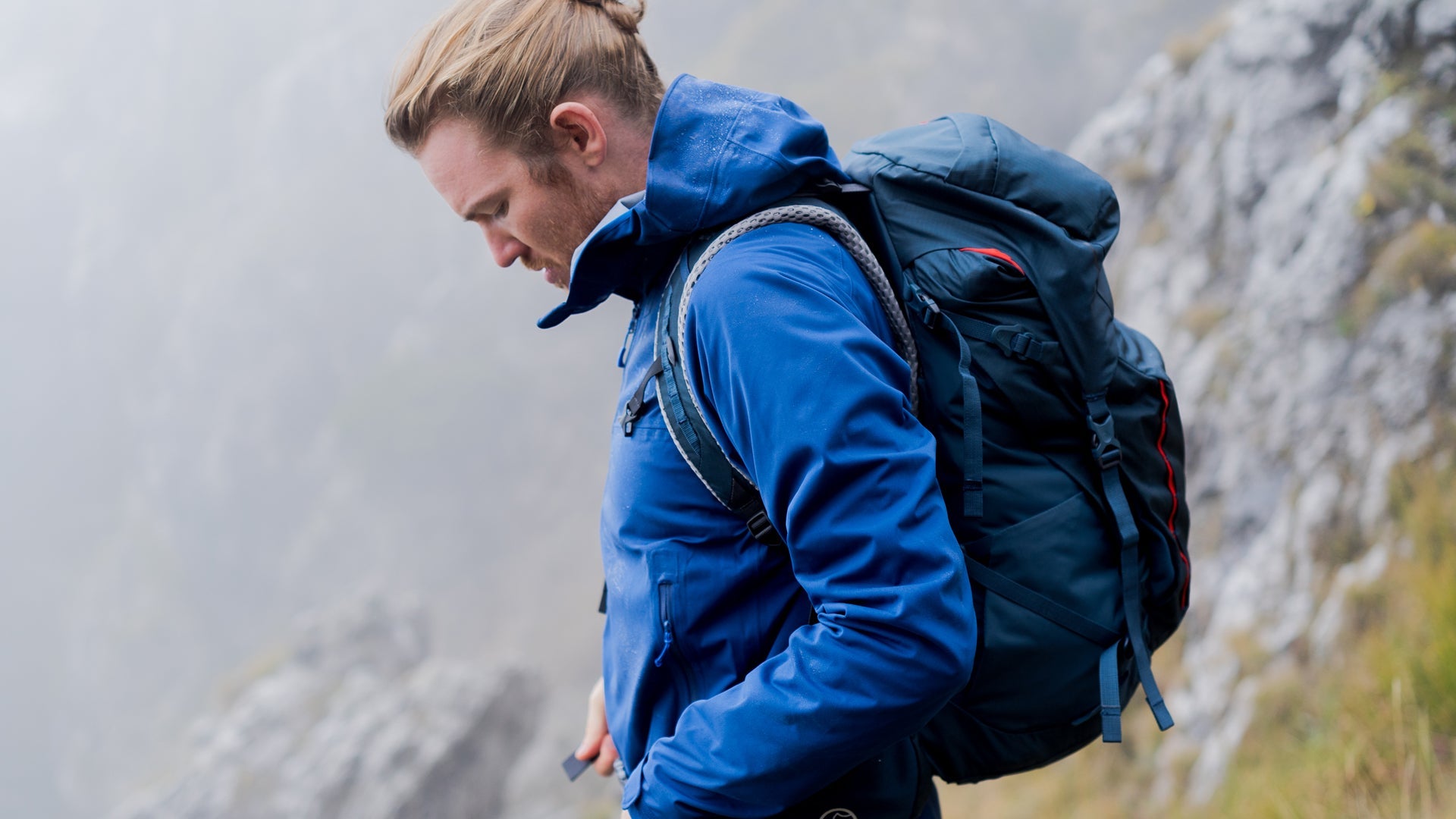
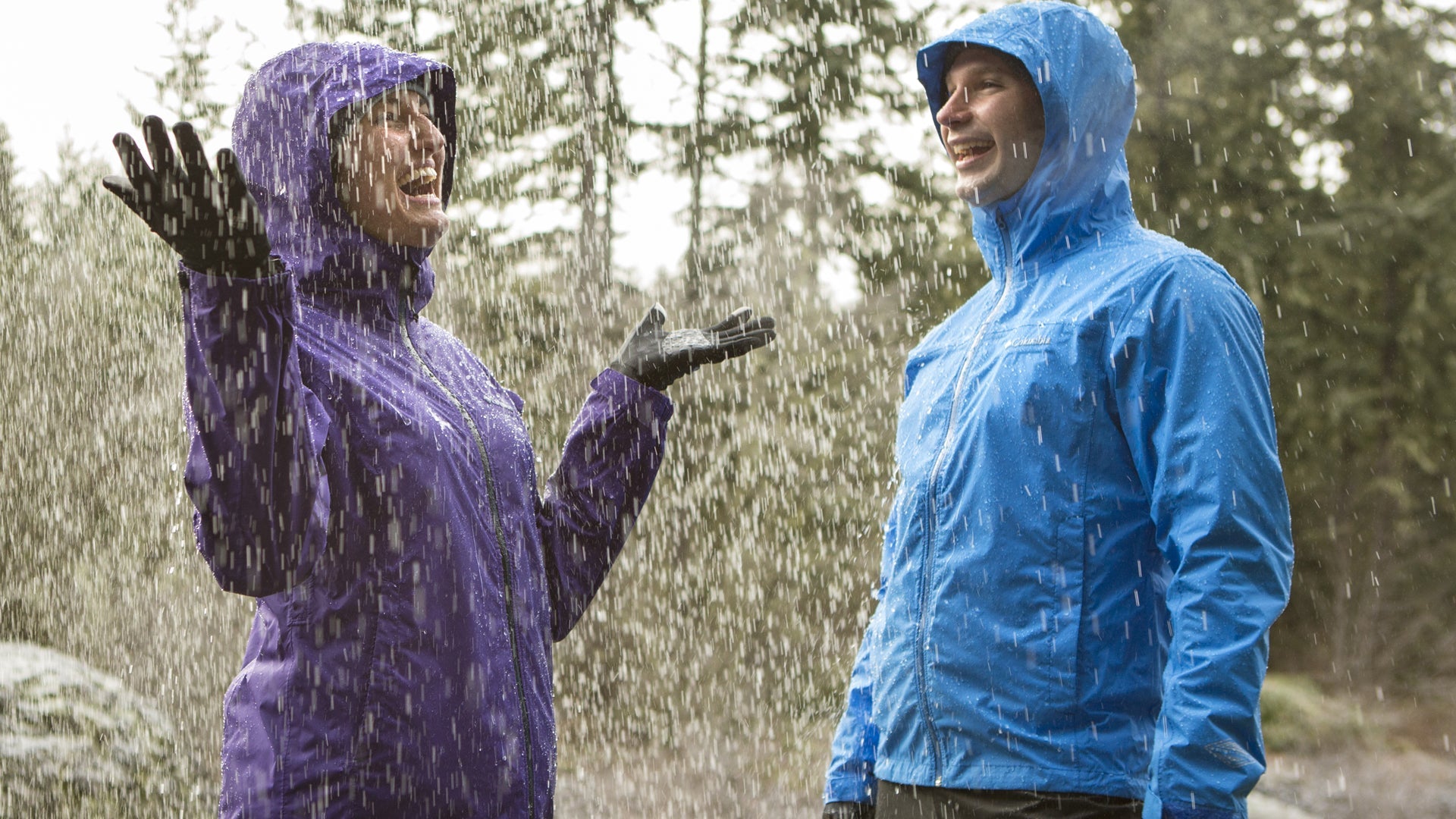
A quality waterproof rain jacket is non-negotiable in New Zealand. NZ weather is notoriously variable — sunshine at the trailhead doesn't guarantee sunshine at the hut. Peak XV rain jackets are built for serious wet-weather performance and are a strong choice for backcountry tramping where you may be caught in prolonged rain. Browse rain jackets at Dwights.

Head Torch

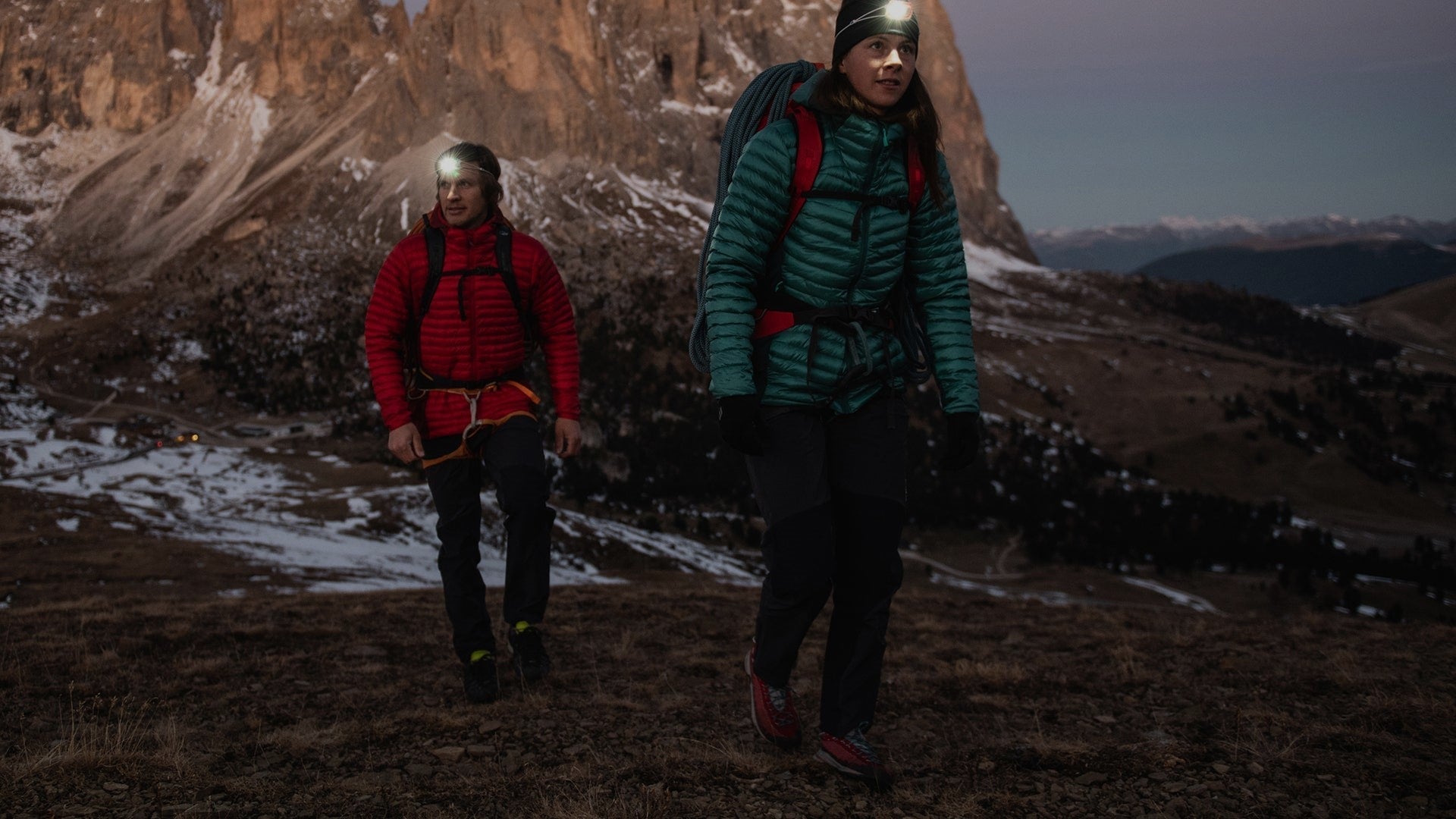
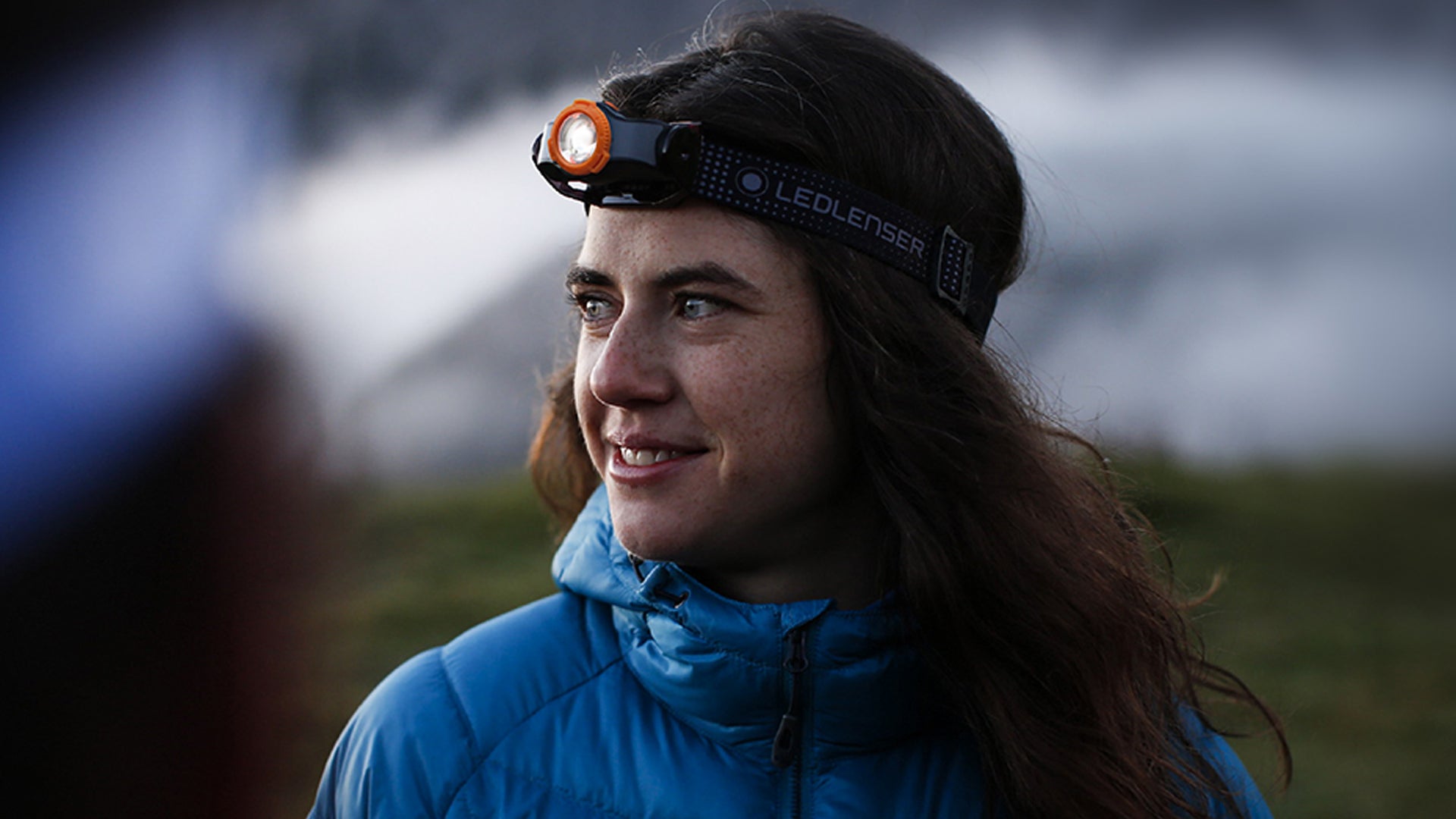
Huts don't always have lighting, and night-time toilet trips require a head torch. A lightweight, reliable head torch with a spare battery is an essential piece of hut kit. Find head torches at Dwights.

Other Essentials

  • Cooking gear: Most Standard huts have no cooking facilities — bring a lightweight camp stove and sufficient fuel
  • Water treatment: Treat all backcountry water; use a filter or purification tablets even at huts with tank water
  • First aid kit: Always carry a basic first aid kit on multi-day tramping routes
  • Warm layers: Huts can be cold at night, especially in alpine environments — bring insulating mid-layers
  • Food for the full trip plus emergency rations: Don't rely on resupply in the backcountry
  • Navigation: Topo maps and/or a GPS device — cell coverage is unreliable on most NZ tramping routes

DOC Hut Etiquette

NZ hut culture has a few unwritten rules that keep the system working well for everyone:

  • Sign in: Always fill in the intentions book when departing, and sign in at huts. This is a safety measure — hut records have helped search and rescue teams locate missing trampers.
  • Pay your hut fees: The honesty system works because people use it honestly. Don't skip payment.
  • Keep noise down after 9pm: Early starts are common in the backcountry; respect those who've gone to bed.
  • Leave no trace: Pack out all rubbish. DOC huts do not have general rubbish collection.
  • Be considerate with cooking: Huts get crowded at mealtimes. Prepare efficiently and clean up promptly.
  • Don't monopolise bunks: During busy periods, keep your gear tidy and make space for others.
  • Respect the wood supply: Only use firewood provided; don't chop living wood. Leave kindling for the next person.

Top DOC Huts Worth Visiting

Luxmore Hut (Kepler Track, Fiordland)

Arguably the most spectacular Great Walk hut in New Zealand, Luxmore Hut sits above the treeline on the Kepler Track with sweeping views over Lake Te Anau and the Fiordland mountains. It's a 90-bunk Great Walk hut with a resident warden and excellent facilities. The sunset from the hut porch is unforgettable.

Mintaro Hut (Milford Track, Fiordland)

Mintaro is the penultimate hut on the Milford Track, sitting at the base of the famous MacKinnon Pass. A night here before the big pass crossing is part of the Milford Track ritual. The surrounding beech forest and the anticipation of what lies over the pass make it a memorable stop.

Waiouru Hut (Tongariro Northern Circuit)

On the quieter southern section of the Tongariro Northern Circuit, Waiouru Hut offers volcanic landscape views without the crowds of the Tongariro Alpine Crossing. A solid choice for trampers who want to experience the central plateau at a slower pace.

Howden Hut (Routeburn Track)

Sitting beside Lake Howden at the junction of the Routeburn Track and the Greenstone and Caples Tracks, Howden Hut is a classic piece of NZ backcountry infrastructure. The lake reflection on a calm morning is one of the iconic images of South Island tramping.

Angelus Hut (Nelson Lakes National Park)

Angelus Hut is the crown jewel of the Nelson Lakes backcountry, perched beside the stunning Lake Angelus at 1,650 metres. It's a Serviced hut requiring a booking during summer. The approach from Robert Ridge is one of the finest alpine walks in the South Island.

Plan Well, Tramp Well

The DOC hut network is one of New Zealand's greatest outdoor treasures. Whether you're completing a Great Walk bucket-list item or exploring lesser-known Standard hut routes off the beaten track, the system rewards those who plan ahead, carry the right gear, and respect the environment.

At Dwights, we stock the gear you need for hut tramping — from Deuter tramping packs and One Planet sleeping bags to Peak XV rain jackets and head torches. Get the right kit sorted before you head in, and enjoy everything the NZ backcountry has to offer.