


Hiking Boots or Trail Running Shoes for Tramping?
Hiking boots usually provide more coverage and structure; trail running shoes usually prioritise low weight and flexible movement. The right option depends on fit, terrain, load and the way the person walks—not a rule that suits every tramper.
Trail running shoes
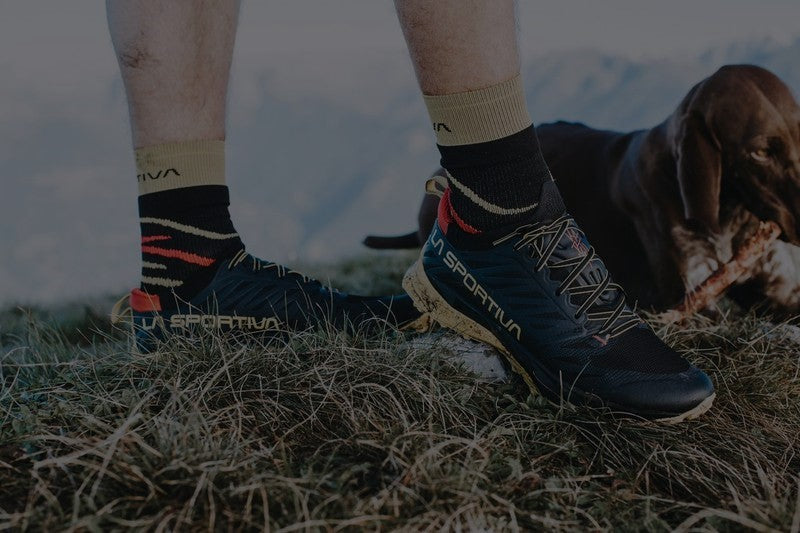
A trail shoe can suit formed tracks, lighter loads and people who value quick movement and faster drying. Compare underfoot protection, outsole grip, heel hold and toe space. Lightweight construction can involve trade-offs in durability or protection, depending on the model.
Hiking boots
A boot can add coverage from debris, mud and weather, with structured options available for rough ground and heavier loads. Higher cut does not automatically prevent ankle injuries. Fit, sole behaviour, fatigue, experience and terrain all matter.
Compare the same criteria
- Secure heel and midfoot fit without painful pressure
- Toe clearance on descents
- Grip suited to the surfaces expected
- Underfoot protection and flex
- Drying time and weather management
- Durability for the intended use
Test before committing
Fit both feet with the intended socks and walk on an incline. Use shorter local walks before a long trip. Persistent rubbing, numbness, pinching or toe impact indicates a fit problem, not a category that simply needs more breaking in.
Browse hiking boots, trail running shoes, or the detailed footwear fitting guide.