
How to Choose a Rain Jacket for Hunting
A hunting rain jacket must suit the weather, terrain, pack, movement and safety plan. Choose the shell after the trip requirements are defined; colour or camouflage cannot compensate for poor fit, inadequate protection or unsafe target identification.
Match the weather and duration
Consider exposure, time away, expected rain, wind, vegetation and the consequence of becoming wet. Compare construction, seam sealing, hood, length and face fabric. Use comparable test methods when interpreting waterproof or moisture-vapour figures.
Balance noise and durability
Softer face fabrics may reduce noise but can add weight, absorb more surface moisture or differ in abrasion resistance. Smooth hard shells can be lighter or easier to shed water but may sound louder. Test the actual garment while moving rather than relying on a label.
Fit it with the full system
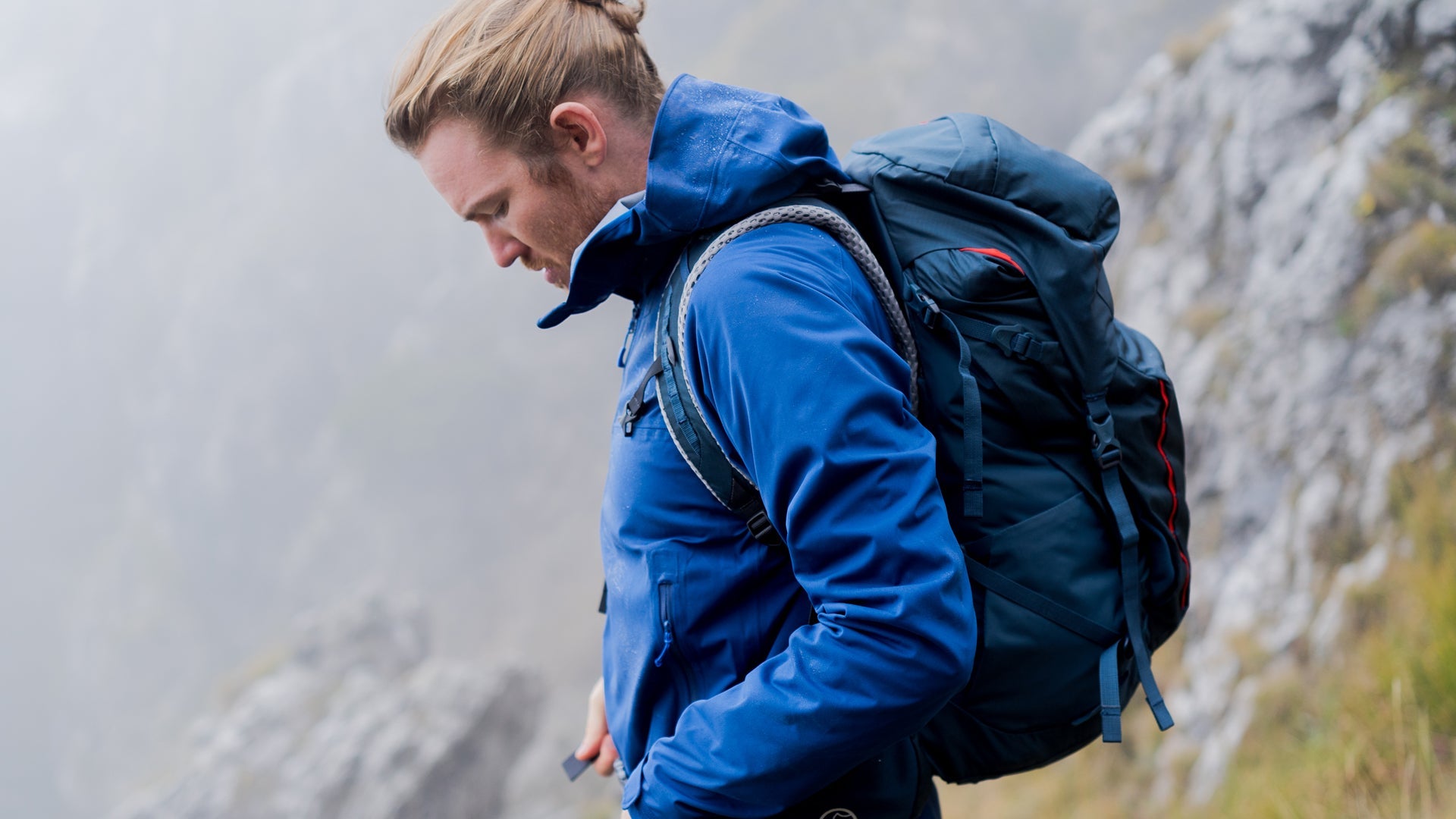
Try the jacket over hunting layers and under the planned pack. Shoulder a pack, reach, kneel and turn. Confirm that pockets, cuffs, hem and hood remain usable and that the garment does not restrict safe movement or equipment handling.
Plan ventilation
Hard movement can create moisture inside any shell. Compare mechanical ventilation and practise adjusting layers before becoming heavily sweaty. Keep a dry insulation layer protected for stops.
Visibility and group safety
Use high-visibility elements where the plan requires them and follow the complete current Firearms Safety Code. Never treat clothing colour, movement or sound as target identification. Positive identification and a safe firing zone remain mandatory.
Care after use
Clean mud, blood, oils and smoke according to the care label. Inspect high-wear pack areas, seams and zips. Renew the water-repellent finish only with a compatible process and repair damage early.
Browse the current rain jacket range and compare hunting fit, face fabric, ventilation, durability and current availability.