


How to Choose a Packable Rain Jacket
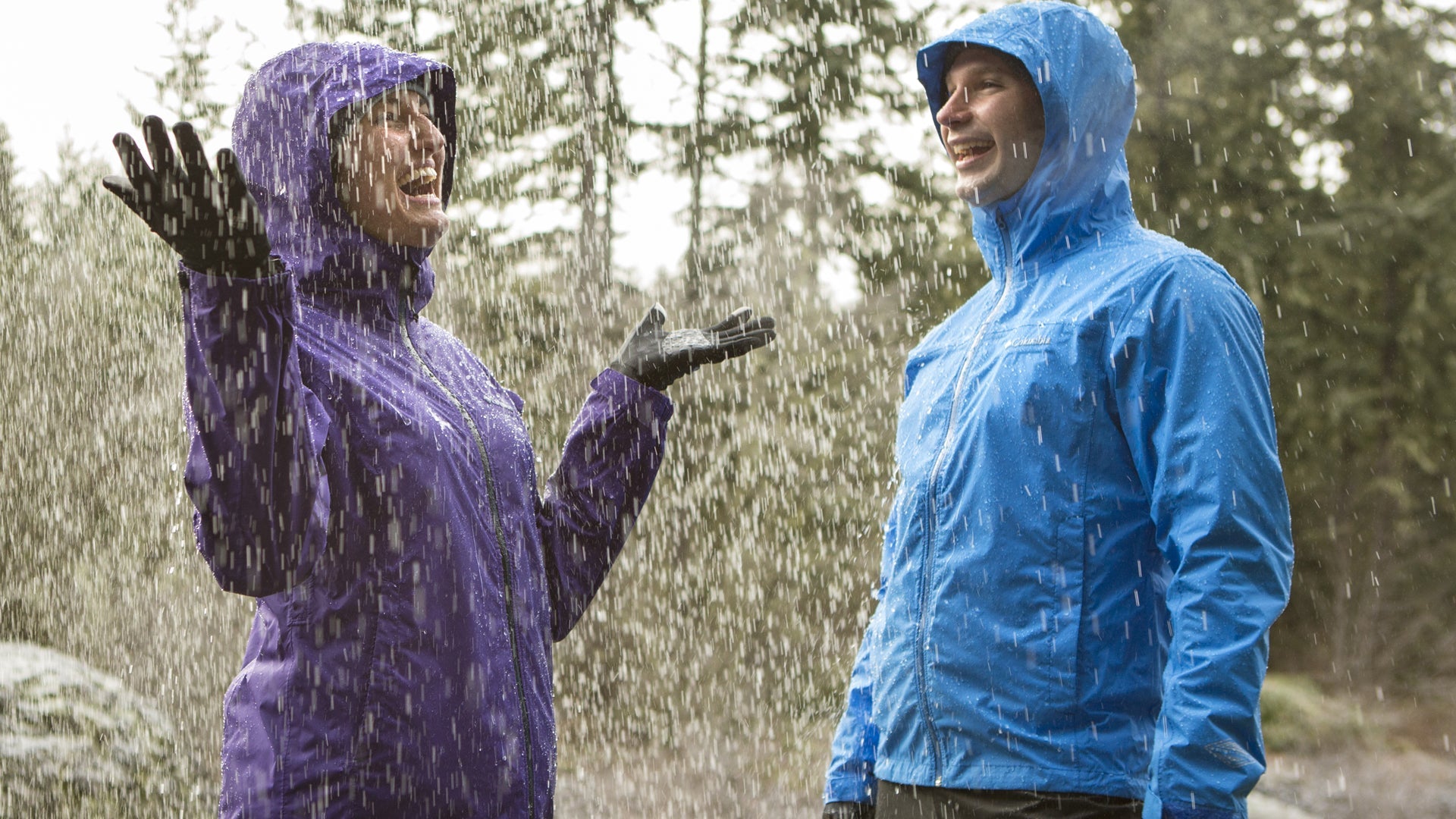
A packable rain jacket trades carried bulk against protection, features and durability. Choose the lightest shell that still fits the user, layers and expected conditions—not the lightest number on a product page.
Define “packable” for the trip
Compare the garment's actual weight, packed dimensions and storage method. A jacket that stuffs into a pocket is convenient, but a separate dry bag may protect it better and reduce stress on zips or coatings.
Decide whether it is backup or primary protection
An occasional emergency shell has a different job from a jacket worn for hours under a pack. For sustained exposure, face-fabric durability, seam construction, hood, ventilation and repairability may matter more than the smallest packed size.
Check construction and abrasion
Light 2.5-layer garments can reduce bulk, while 3-layer designs may offer different durability and next-to-skin feel. Compare the exact face fabric and intended use. Pack straps, scrub and rough surfaces concentrate wear.
Fit it over required layers
Low weight is not useful if the jacket restricts movement or compresses insulation. Try it with the planned layers and pack, then test hood visibility, sleeve reach, hem coverage and pocket access.
Plan moisture management
High exertion can create condensation. Compare zip and vent options, then manage pace and layers. “Breathable” does not mean dry during every activity.
Store and care for a light shell
Do not leave the jacket tightly stuffed for long periods unless the manufacturer permits it. Clean, dry and store it according to the care label. Inspect the shoulders, hips, seams and inner surface after pack use.
Browse the current rain jacket range and compare weight, packed volume, construction and intended use.