
0 products
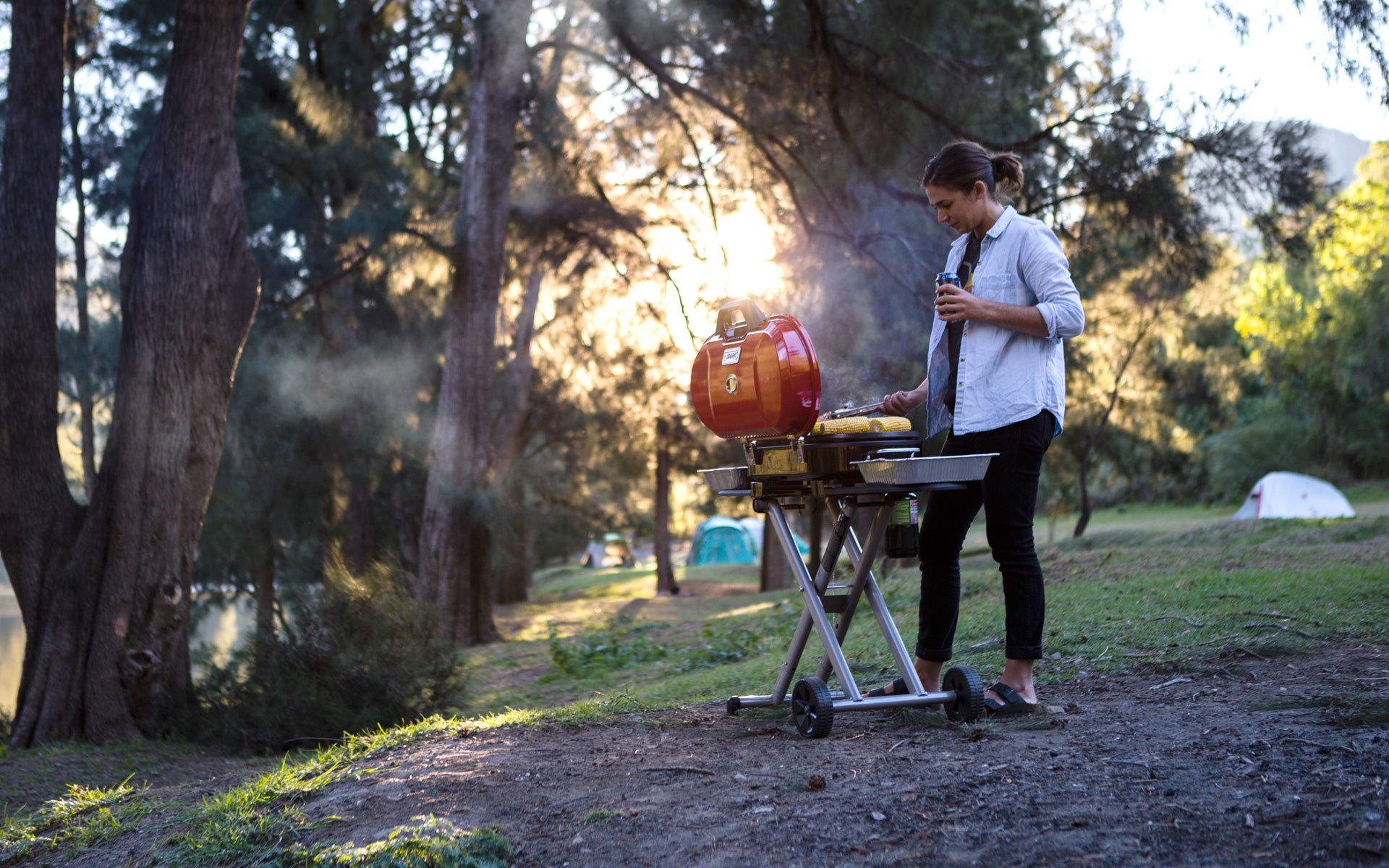
A good cooler makes a serious difference on a multi-day camping trip — keeping food safe, drinks cold, and ice lasting as long as possible. Whether you're car camping at a DOC site, heading out on the boat, or setting up a base camp for the weekend, the right cooler depends on how long you need ice to last and how far you're carrying it.
Hard-sided coolers offer the best insulation and ice retention for extended trips. Soft coolers are lighter and more packable for day trips and festivals. Portable electric fridges are the premium option for road trips and vehicle-based camping — no ice required, consistent temperature throughout.
Choosing the Right Option
- Hard-sided cooler: Best ice retention — Coleman hard coolers hold ice 3–5 days with proper technique. Suited to multi-day car camping, boat use, and any situation where food safety over several days matters.
- Soft cooler: Lighter and more packable. Good for day trips, beach use, and festivals where you're moving the cooler frequently. Ice retention is shorter — typically 12–24 hours.
- Portable electric fridge: The premium choice for road trips and vehicle-based camping. Maintains a set temperature without ice, runs off 12V or 240V. More expensive upfront but eliminates the ongoing cost and hassle of ice.
Maximising Ice Retention
Ice retention depends as much on technique as the cooler itself. Key tips: pre-chill the cooler with ice or cold water for an hour before loading — a warm cooler burns through ice fast. Use block ice rather than cubed (block ice melts slower). Minimise lid openings. Keep the cooler in shade and cover with a blanket or towel. A full cooler retains temperature better than a half-empty one.
Frequently Asked Questions
How long does ice last in a camping cooler?
In a quality hard-sided cooler like Coleman's range, block ice lasts 3–5 days under typical NZ summer conditions when the cooler is pre-chilled, kept in shade, and opened minimally. Cubed ice lasts 1–2 days less. Soft coolers typically hold ice for 12–24 hours. Portable electric fridges don't use ice at all — they maintain a set temperature for as long as they have power.
What size cooler do I need for camping?
For a couple on a weekend trip (2–3 days), a 35–50L hard-sided cooler is sufficient. For a family of four on a 4–5 day trip, 60–80L gives you enough room for food, ice, and drinks without running short. As a guide: 1 litre of cooler space per person per day, plus space for ice (which takes up roughly 20–30% of the cooler volume). Don't buy too large — a half-empty cooler loses temperature faster than a well-packed one.
Is a portable electric fridge worth it for NZ camping?
If you're doing regular vehicle-based camping trips or road trips, yes — the ongoing convenience and food safety benefits outweigh the upfront cost quickly. No ice to source, no water to drain, consistent temperature throughout. The trade-off is power dependency — you need a 12V vehicle connection, a second battery, or a solar setup to run it at camp. For occasional camping, a quality hard-sided cooler with good ice technique is more practical.
How do I keep a cooler cold longer?
Pre-chill the cooler for at least an hour before loading. Use block ice rather than cubed — it lasts significantly longer. Pack food in tightly with minimal air gaps. Keep the cooler in shade and cover with a reflective blanket or sleeping bag. Drain meltwater only when it gets deep — cold water helps maintain temperature. Minimise lid openings. A well-managed cooler will outlast a neglected premium one every time.
Can I use a cooler at a DOC campsite?
Yes — coolers are permitted at all DOC campsites. At vehicle-accessible DOC campsites, a standard hard-sided cooler is practical. At walk-in or backcountry campsites, a soft cooler or insulated bag is more realistic — hard-sided coolers are too heavy to carry any distance. Check DOC's specific campsite facilities; some sites have communal food storage available.