
Winter Tramping NZ — What to Wear and Pack for Cold Weather Tracks
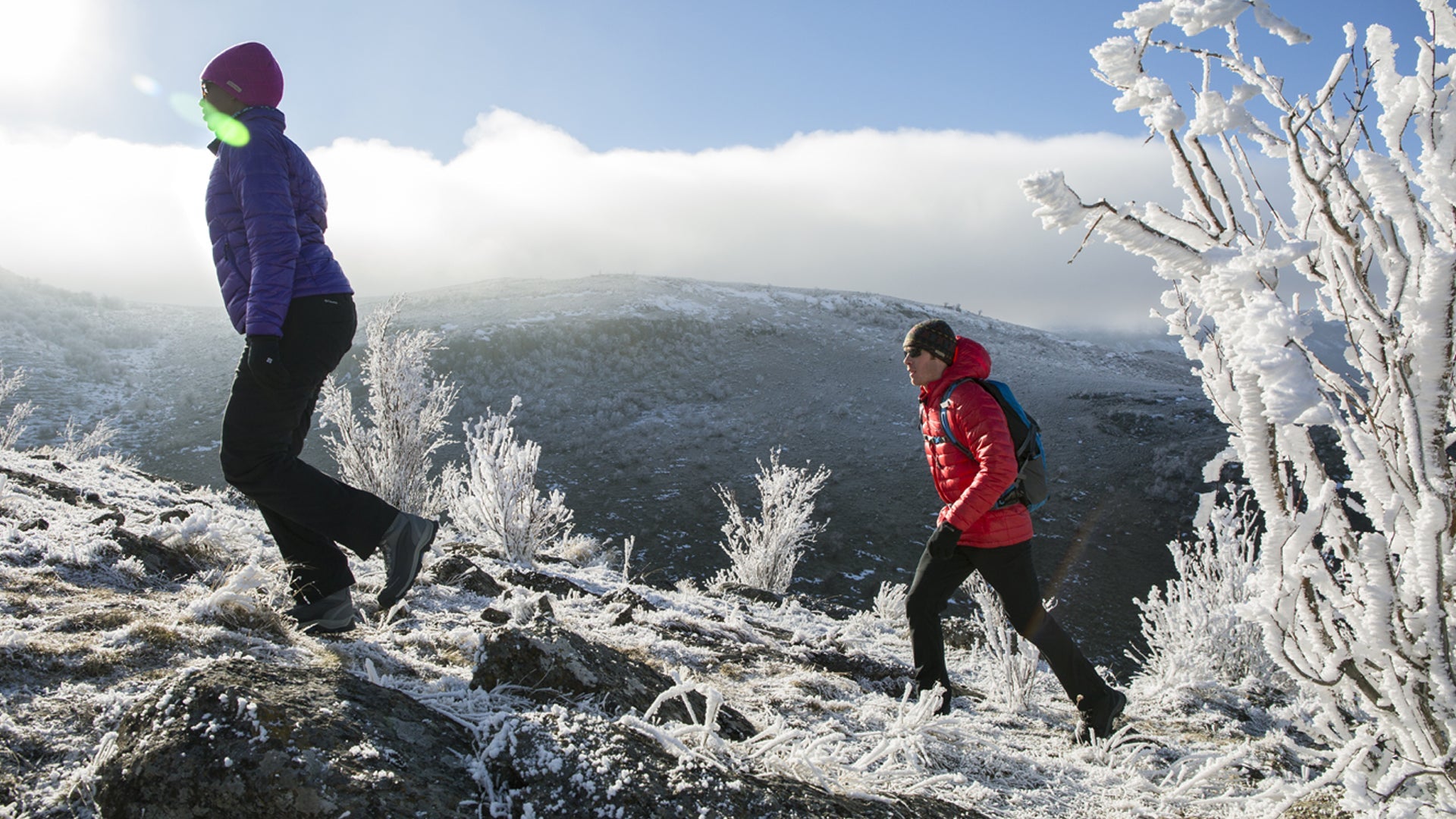
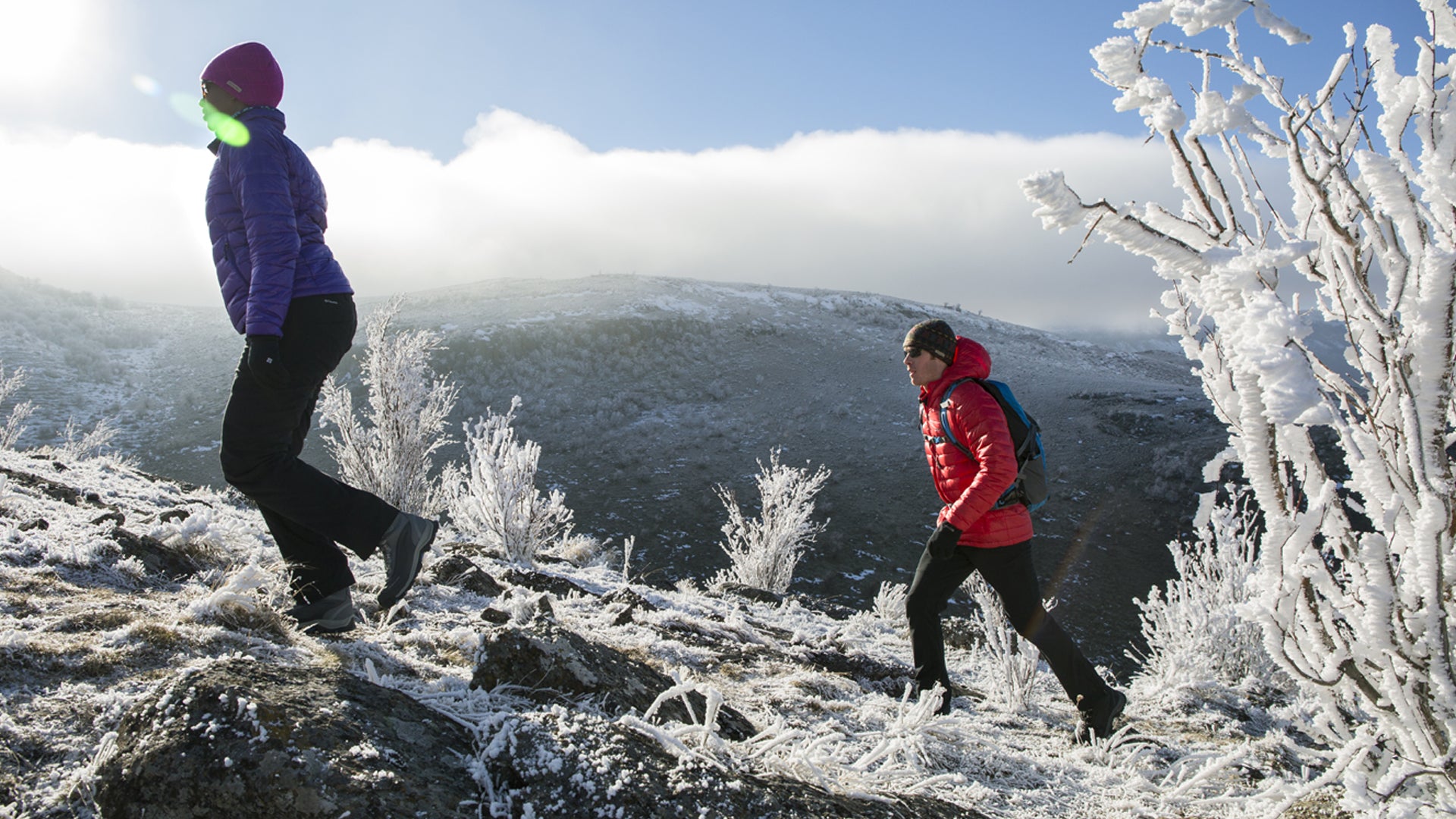
Winter tramping in New Zealand is a different discipline from summer hiking. Days are short — sometimes as few as nine hours of daylight at southern latitudes. Temperatures drop well below zero at altitude. Snow and ice are routine on most tracks above 1,000m from June to August. Rain is colder and more persistent, and the consequences of a wet camp or insufficient insulation are more serious.
None of this makes winter tramping inaccessible. Thousands of New Zealanders tramp through winter every year, on tracks from Stewart Island to Tongariro. But it does mean the gear choices that are optional in summer become compulsory, and the margin for equipment failure is much smaller. This guide covers what to wear and pack for safe, comfortable winter tramping in NZ.
The Layering System for Winter Tramping
Layering is the foundation of effective winter clothing. The goal is to regulate your body temperature across a wide range of activity levels and conditions — from sweating hard on a steep climb to standing still in a cold wind at a saddle. A well-chosen three-layer system does this efficiently. See our detailed guide at layering system guide for NZ tramping.
Base Layer — Managing Moisture
Your base layer sits against your skin and its primary job is moisture management — moving sweat away from your body before it chills you. In winter, this matters more than in summer because wet skin in cold air loses heat rapidly.
Peak XV merino base layers provide warmth-to-weight performance with natural odour resistance. Merino regulates temperature effectively across a wide range of activity levels, and it remains reasonably insulating even when damp — an important property in NZ's wet conditions. A midweight merino base layer is the right choice for most winter tramping.
Mid Layer — Insulation
Your mid layer provides the bulk of your thermal insulation. In winter conditions, this needs to be substantial. A lightweight fleece that works for summer might not cut it when you're stationary in -5°C with a wind chill.
The Peak XV Blizzard Fleece is the lead mid-layer for NZ winter tramping. It provides genuine warmth — not just comfort-level fleece — without the bulk of a down jacket. Fleece retains meaningful insulation even when damp, which is a significant practical advantage in NZ's wet conditions over down mid-layers that collapse when wet. Pack it where you can access it without stopping to unload your pack.
Shell Layer — Weather Protection
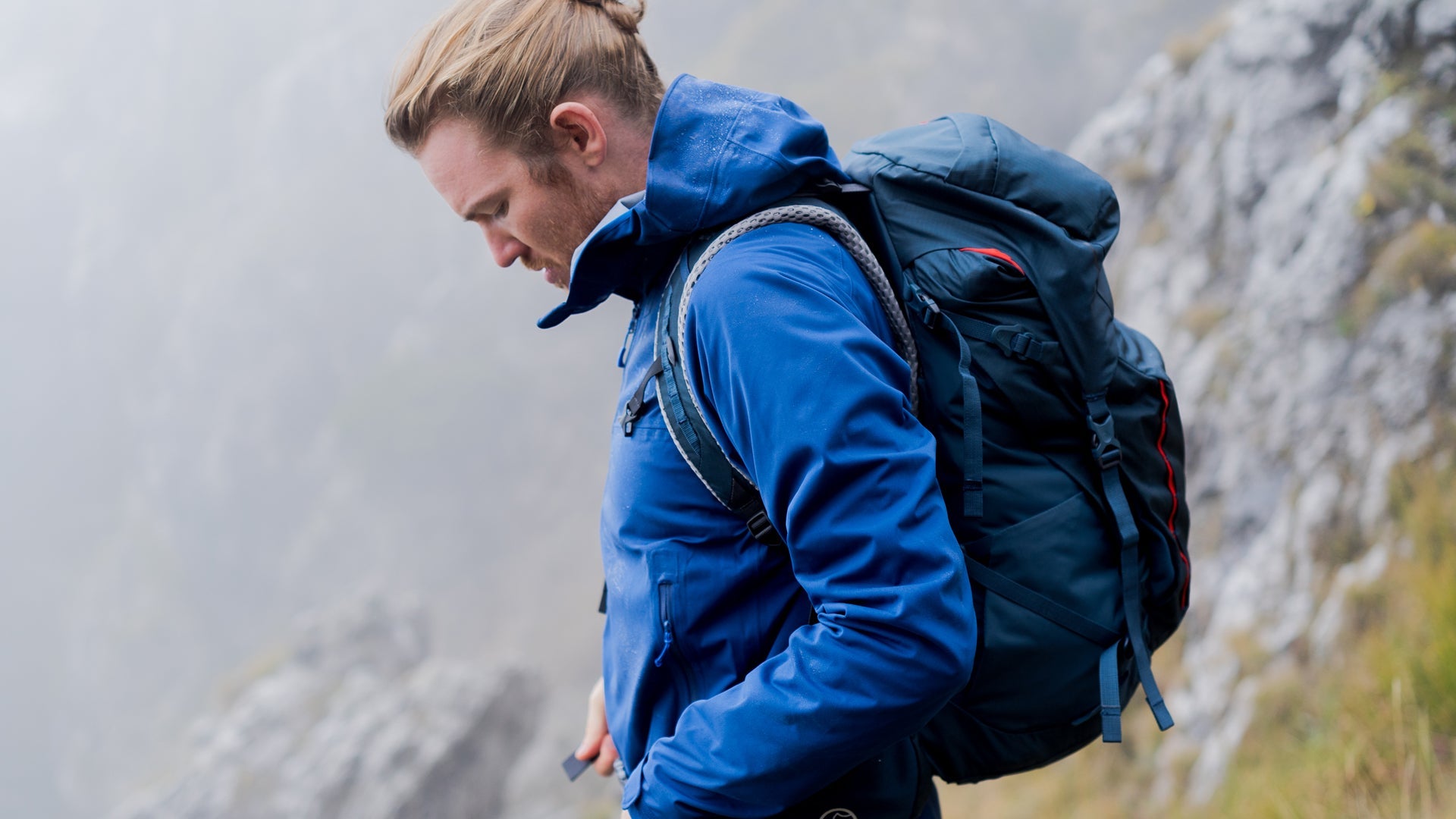
Your shell layer is your defence against rain, wind, and snow. In winter conditions, this needs to be a fully waterproof hardshell — not a water-resistant softshell or a light rain jacket designed for summer showers.
The Peak XV Tornado provides 20,000mm hydrostatic head (HH) — the standard for sustained NZ conditions. A 20,000mm HH rating means the fabric will withstand prolonged heavy rain without leaking through the membrane. Pair it with waterproof overpants when snow and rain are in the forecast. The Tornado is a proper hardshell engineered for NZ conditions, not a re-labelled European product.
For a full overview of what to look for in a winter shell, see our winter camping NZ guide.
Sleeping Warm — Bags and Mats
Sleeping Bags for Winter
Underrating your sleeping bag is the most common winter camping mistake. Hut temperatures in NZ's back-country can drop to 0°C or below overnight in winter, even with a hut's enclosed environment. For camp nights, temperatures regularly hit -5°C to -15°C in alpine zones.
The One Planet Cocoon series suits most NZ winter hut tramping. The Cocoon -8°C (733g regular / 742g long) covers typical winter hut conditions with appropriate margin, while the Cocoon -11°C (867g regular / 898g long) extends to colder huts and shoulder-season alpine camps.
For winter camp nights at altitude, or expedition-grade conditions in the Southern Alps, the One Planet Bungle series is the appropriate choice — the Bungle -12°C (1,020g), -15°C (1,085g), and -17°C (1,197g) cover the full range of NZ winter alpine conditions.
Sleeping Mats — R-Value Matters
A sleeping mat's R-value measures its thermal resistance — how effectively it insulates you from the cold ground. In summer, R-value is a secondary consideration. In winter, it's critical: you lose more heat through contact with a cold surface than through any other route.
Peak XV insulated sleeping mats are engineered with appropriate R-values for NZ winter conditions. For winter camping, use a mat with R-value 4 or higher. In alpine conditions or on snow, R-value 6 or higher is recommended.
Shelter Considerations
NZ's DOC hut system makes winter tramping significantly more accessible than in countries without equivalent infrastructure. Plan your routes around hut availability — in winter conditions, hut nights are not just convenient but genuinely important for safety. Know the huts on your route, their capacity, and whether they're serviced.
If your route involves campsites or exposed bivouacs, your shelter needs to handle snow load and sustained wind. NZ mountain weather can deliver substantial snow at short notice even in early winter. A four-season tent with solid pole construction and snow-rated flysheet is the appropriate standard.
Safety in Winter Conditions
Personal Locator Beacon
Carry a registered PLB on your person. In winter conditions, the risk profile of any back-country trip increases — reduced daylight, higher chance of weather holds, harder terrain, and slower travel times. The Ocean Signal RescueMe PLB1 is compact enough to carry in a chest harness and provides GPS-accurate rescue coordinates. It should be standard kit for all winter tramping.
Early Starts and Weather Windows
With nine hours or fewer of usable daylight in mid-winter, pace management matters. Start early, make significant progress in the morning, and identify stopping points well before dark. NZ's alpine weather moves fast — learn to read incoming weather fronts and build buffer time for holds into your itinerary.
Headlamps
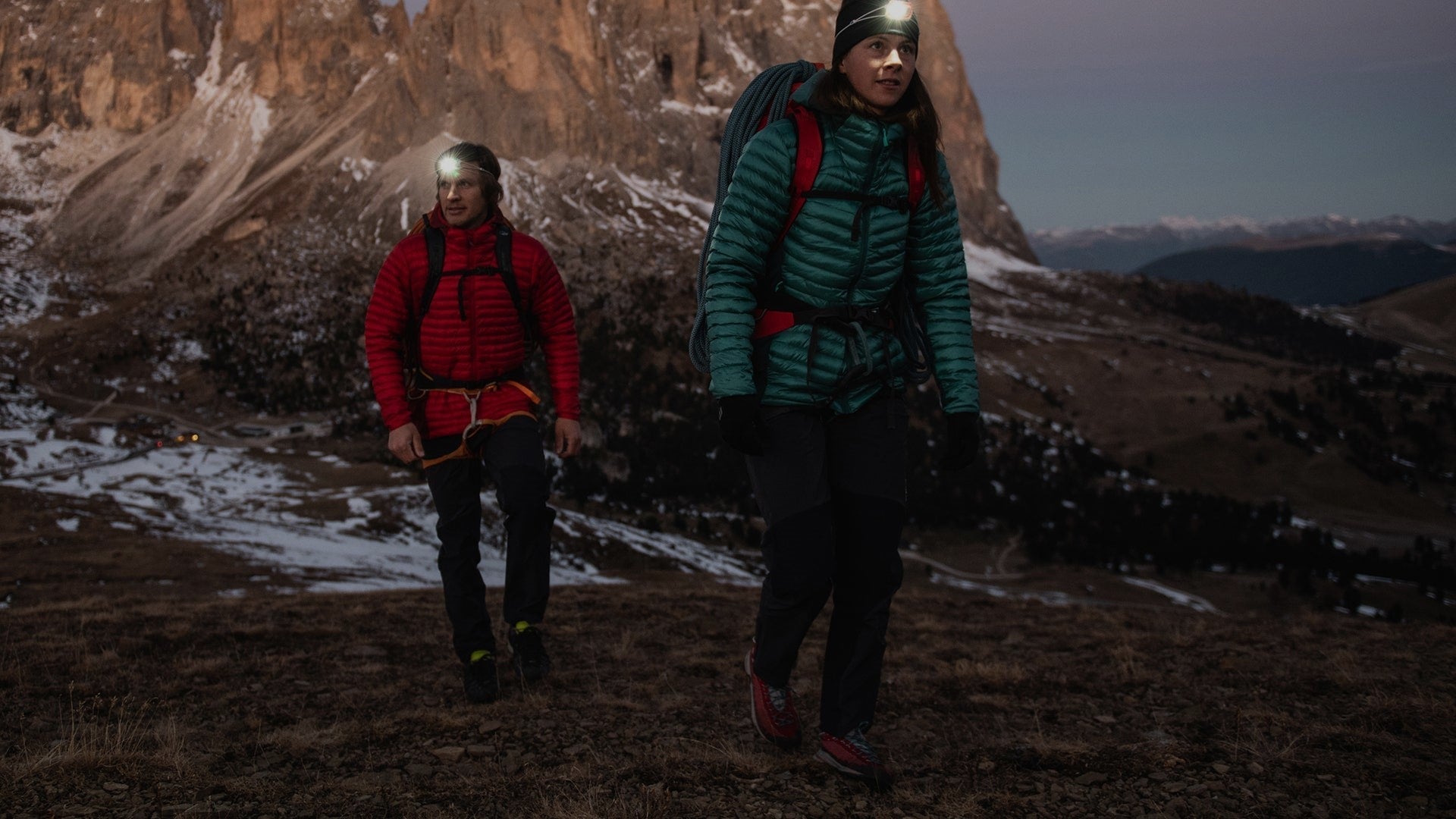
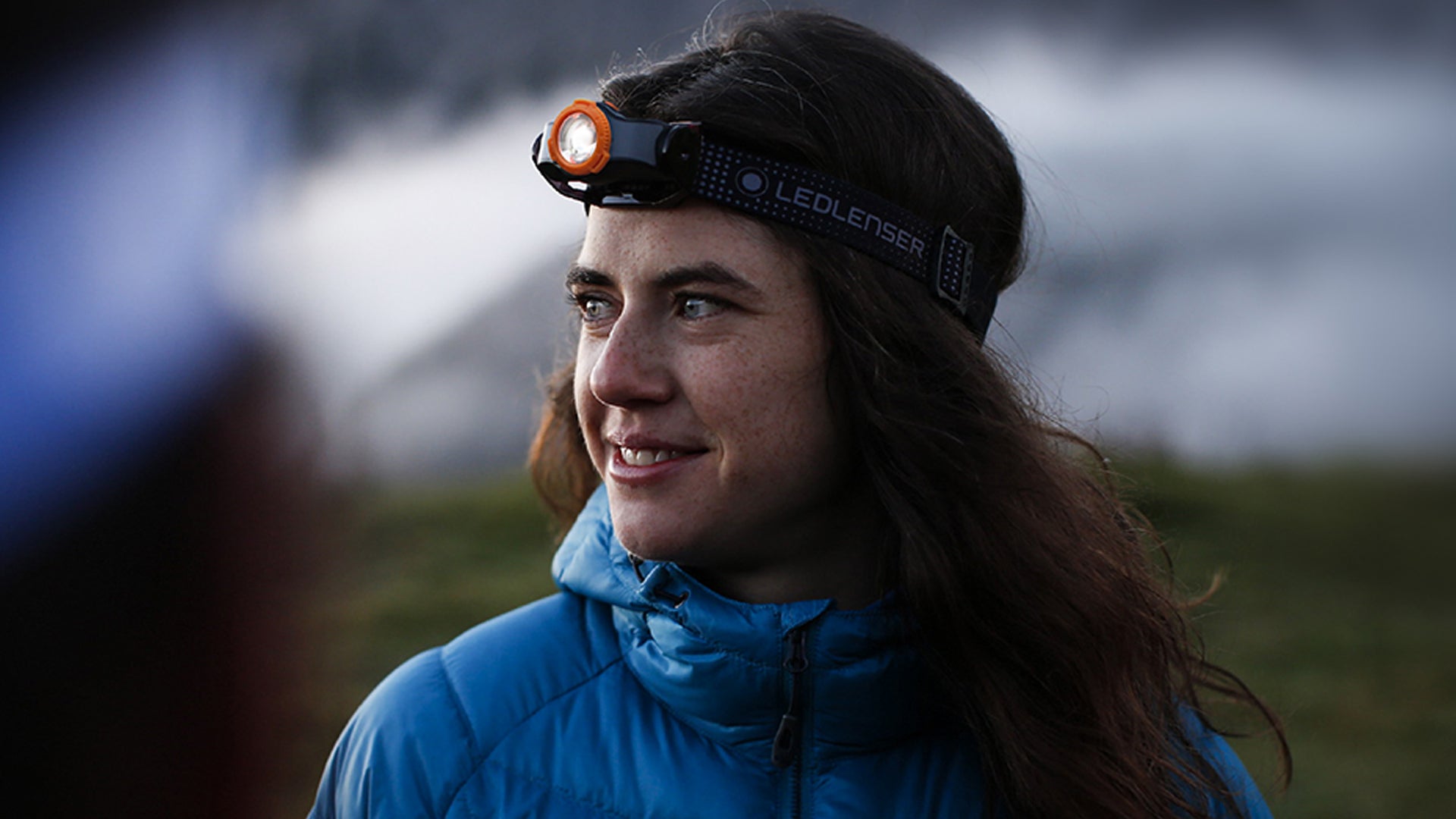
Winter's short days mean you will almost certainly start or finish stages in darkness. A high-output headlamp with fresh batteries is essential. The Nitecore UT27 Pro and HC65UHE provide professional-grade output for navigating in the dark — both offer high-lumen modes for complex terrain and extended battery life for multi-day trips. Carry spare batteries or a charging cable.
Winter Socks
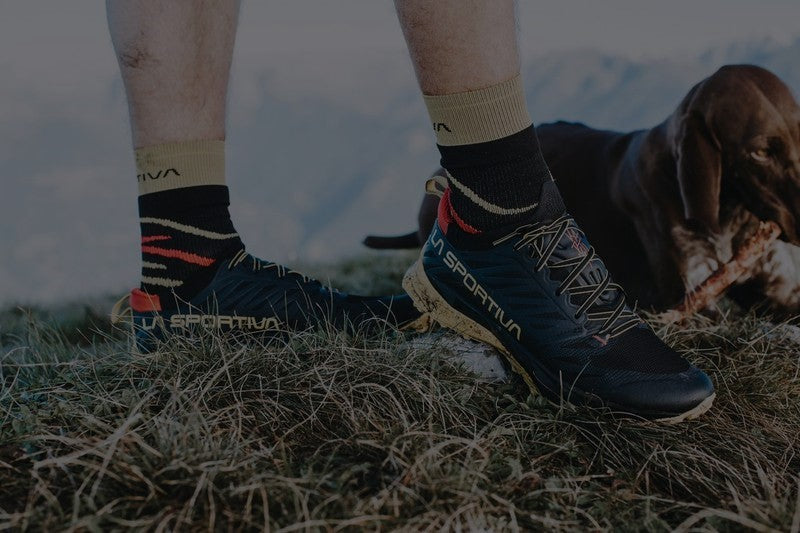
In sustained wet and cold, sock choice has real impact on foot health. The Bridgedale Explore Heavy Merino Performance Fit provides maximum cushioning and warmth for winter conditions. For routes with river crossings or persistent wet, the Bridgedale Stormsock Heavyweight Boot adds a waterproof membrane layer to keep feet dry in sustained water exposure.
Winter Tramping Gear Checklist
- Peak XV merino base layer (top and bottom)
- Peak XV Blizzard Fleece mid-layer
- Peak XV Tornado hardshell jacket + waterproof overpants
- One Planet Cocoon or Bungle sleeping bag (rated to conditions)
- Peak XV insulated sleeping mat (R-value 4+)
- Bridgedale Explore Heavy Merino or Stormsock socks
- Nitecore UT27 Pro or HC65UHE headlamp + spare batteries
- Ocean Signal RescueMe PLB1 (registered, on person)
- Map, compass, and GPS device
- Filed intentions with a responsible person
- First aid kit appropriate for extended trips
- Emergency bivouac shelter
Recommended Winter Tracks
Winter tramping in NZ is best approached on well-tracked routes with hut systems. Good options depending on experience:
- Tongariro Northern Circuit: Hut-based, well-marked, but genuinely alpine in winter — require proper gear and assess conditions carefully.
- Routeburn Track: Stunning winter conditions but serious avalanche risk on the Harris Saddle section — check DOC advisories.
- Queen Charlotte Track: Lower altitude, coastal, more accessible winter conditions. Good introductory winter track.
- Heaphy Track: Varied terrain, lower altitude sections manageable in winter. Good hut spacing.
Conclusion
NZ winter tramping rewards preparation. The layering system — Peak XV merino base, Blizzard Fleece mid, Tornado shell — covers the clothing fundamentals. A One Planet Cocoon or Bungle sleeping bag rated to your conditions, combined with an insulated sleeping mat, handles the nights. A registered PLB and headlamp with fresh batteries address the safety and short-daylight requirements.
Get the kit right, choose appropriate routes, and NZ's winter back-country is extraordinary — quiet, crisp, and uncrowded. For further reading on gear selection and technique, see our winter camping NZ guide.
