




Best Tents for the NZ Great Walks 2026 — Tramping Tent Guide
Choosing a tent for the NZ Great Walks is different to choosing a car camping tent or a generic "backpacking tent." The Great Walks are multi-day hut-to-hut routes through some of NZ's most variable terrain and weather — you need a tent that's genuinely light enough to carry for 3–9 days, genuinely waterproof in sustained NZ rain, and compact enough to fit in a tramping pack alongside everything else you need.
This guide covers what to look for and the best tents at Dwights for the NZ Great Walks.
What Makes a Good Great Walks Tent?
Weight: Carrying a heavy tent over multiple days on varied terrain adds up quickly. A good Great Walks tent weighs between 1kg and 2kg for a 2-person option. Under 1.5kg is excellent. Over 2.5kg starts to feel the cost over a 7-day trip.
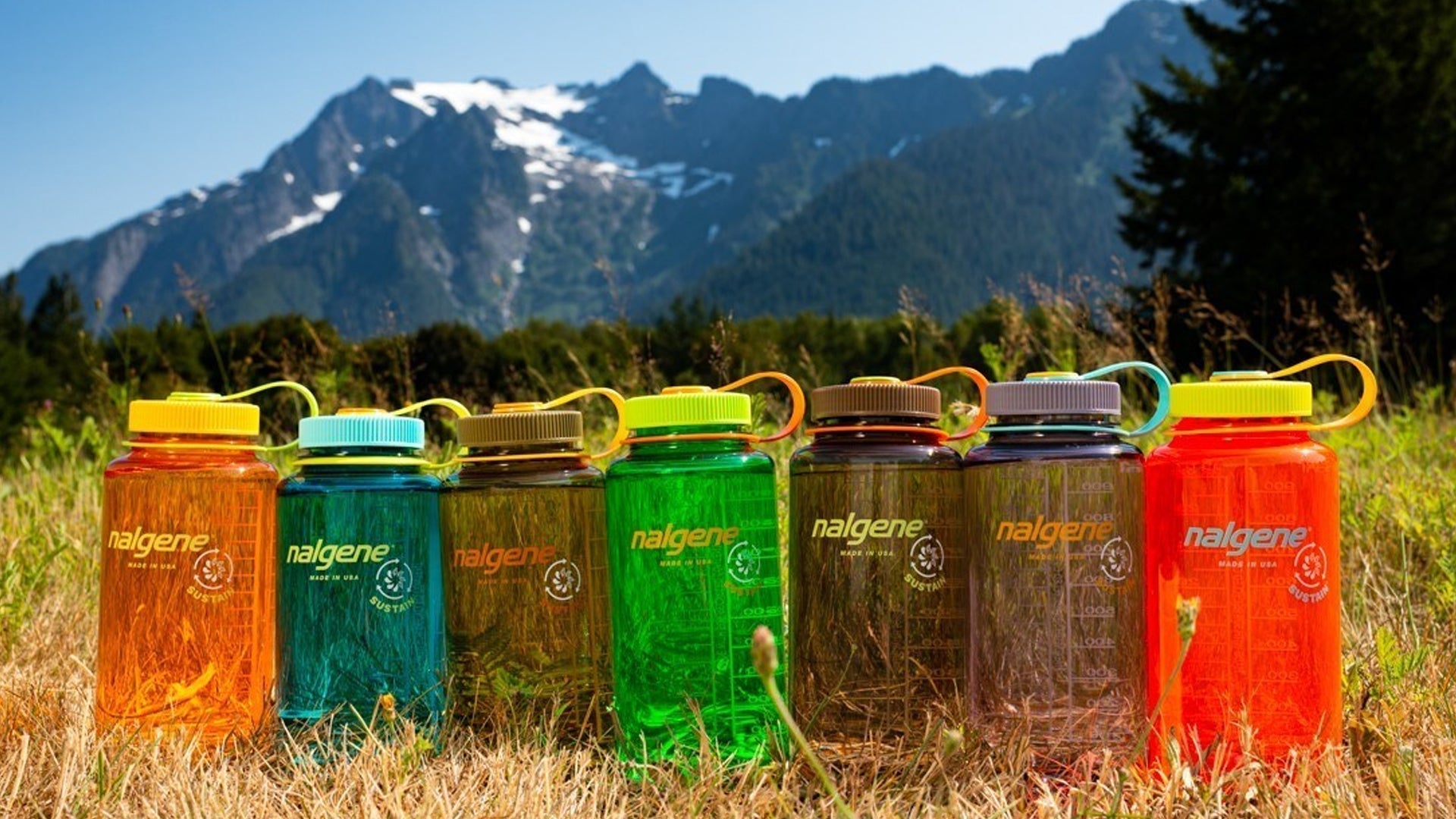
Packed size: Needs to fit inside a 50–70L pack alongside a sleeping bag, mat, food, clothing, and safety gear. A tent that packs to the size of a large Nalgene bottle is ideal. One that doesn't compress below the size of a football is awkward.
Weather performance: Great Walks weather can change rapidly. The Routeburn and Milford can receive sustained rain at any time of year. A tent rated at 3000mm HH minimum with factory-taped seams is the right starting point. 5000mm HH+ provides genuine all-season protection.
Freestanding or non-freestanding: Freestanding tents are easier to pitch on hard or rocky ground common on Great Walk campsites. Non-freestanding tents are lighter but require pegs to hold their shape — fine on most DOC campsites, but can be awkward on gravel sites or rock platforms.
Durability: Great Walk campsites are used heavily. A tent that can be pitched and struck multiple times over a week without wear showing is important.
Great Walks Tent Picks at Dwights
Dwights Explore 2 V2 — Best All-Round Choice ($599.99)
The Explore 2 V2 is our top recommendation for most Great Walk trampers. Lightweight, purpose-built for NZ backcountry conditions, factory-taped seams, and a practical 2-person interior that fits two trampers and their gear without feeling cramped. At $599.99 it's the most accessible serious Great Walks tent in our range, and the matching footprint is available separately for added floor protection on rocky campsites.
Best for: Most Great Walk trampers. The starting point recommendation for anyone buying their first dedicated tramping tent.
Dwights Adventure 2 — Best Budget Great Walks Tent ($349.99)
The Adventure 2 is the entry-level tramping tent for Great Walk use — lighter on features than the Explore V2 but solid for trampers completing their first Great Walk on a tighter budget. Factory-taped seams and NZ backcountry-appropriate construction at a more accessible price point.
Best for: First-time Great Walk trampers, budget-conscious buyers, anyone wanting a practical tramping tent without the premium price.
NEMO Hornet Elite OSMO 2P — Best Ultralight ($999.99)
For trampers who count every gram, the NEMO Hornet Elite OSMO 2P weighs under 1kg — the lightest 2-person tent in our range. OSMO fabric maintains tension and geometry in sustained rain rather than sagging like conventional nylon, which matters significantly on a 7-day exposed route like the Routeburn or Milford. The packdown is exceptional. The trade-off is interior space — the Hornet is snug for two people. For solo trampers or pairs who sleep light and move fast, it's the benchmark.
Best for: Ultralight trampers, experienced trampers who prioritise weight, Great Walks with significant elevation gain.
NEMO Dragonfly OSMO 2P — Best Balance of Weight and Comfort ($949.95)
The Dragonfly OSMO is the practical step up from the Hornet — more interior volume and headroom at a small weight penalty. For trampers who want NEMO's OSMO weather performance but find the Hornet too snug for a week of living inside the tent, the Dragonfly is the right choice. Dual doors and vestibules make for practical multi-day use.
Best for: Trampers who want serious weather performance without sacrificing interior comfort, couples doing multi-day Great Walks.
NEMO Dagger OSMO 2P — Best for Comfort on Long Routes ($949.95)
The Dagger OSMO prioritises interior space — hub-based pole system creates a broad, tall interior that's genuinely comfortable for a week inside during bad weather. For long Great Walk routes (Te Araroa segments, Routeburn, Heaphy) where you'll spend significant time inside the tent on weather days, the Dagger's livability is a meaningful advantage.
Best for: Trampers doing longer routes, pairs who want to sit up and cook inside the tent, anyone who values comfort on extended trips.
MSR Hubba Hubba 2 — Best Premium Traditional Tent ($1,124.99)
MSR's Hubba Hubba is one of the most proven tramping tents in the world — aluminium poles, high HH rating, dual doors and vestibules, and decades of refinement. For trampers who want traditional pole-tent quality at the premium end, the Hubba Hubba 2 is the reference point.
Best for: Trampers who prefer traditional pole construction, those who want maximum weather performance in a proven design.
Which Great Walk Needs the Best Tent?
Not all Great Walks are equal in terms of weather exposure:
Most demanding (need best weather performance):
- Milford Track — sustained rain common, exposed campsites
- Routeburn Track — exposed ridgeline sections, rapid weather changes
- Heaphy Track — West Coast section brings sustained rain
Moderate conditions:
- Kepler Track — can be exposed but generally manageable
- Tongariro Alpine Crossing (day walk only — no camping)
- Whanganui Journey — river conditions, less tent-critical
More predictable:
- Queen Charlotte Track — generally milder, more sheltered campsites
- Abel Tasman Coastal Track — warmer, but rain still possible
- Rakiura Track — Southland conditions, damp
For the Milford, Routeburn, and Heaphy: invest in NEMO OSMO or Dwights Explore V2 minimum. For the Queen Charlotte and Abel Tasman: the Adventure 2 is adequate.
Frequently Asked Questions
Do I need a tent for the NZ Great Walks?
For Great Walk hut passes, no — you sleep in DOC huts and a tent isn't required or permitted at hut sites. For Great Walk campsite passes (significantly cheaper), yes — a tent is essential. Most trampers on the Great Walks choose hut passes for comfort and simplicity, but campsite passes are popular for the cost saving and the freedom they offer. Check DOC's website for current hut and campsite pass availability.
What size tent do I need for the Great Walks?
For two trampers: a 2-person tent. Don't buy a 1-person tent for two people — the weight saving is not worth the interior misery over a week. For a solo tramper: a 1-person tent saves weight and packs smaller, but a 2-person tent is significantly more comfortable and worth the extra 200–400g on longer routes. Most experienced trampers use a 2-person tent regardless of group size.
How much should a Great Walks tent weigh?
Under 1.5kg for a 2-person is excellent — the NEMO Hornet Elite OSMO 2P achieves this. Under 2kg is practical for most Great Walk trampers. Over 2.5kg starts to feel noticeable in the pack over multiple days. The Dwights Explore 2 V2 is the practical balance point for most trampers — solid weight without the premium ultralight price.
Can I use my camping tent for the Great Walks?
Standard family dome tents are too heavy for multi-day tramping — most weigh 3–6kg. Coleman Instant Up and similar car camping tents are not appropriate for the Great Walks. You need a purpose-built tramping tent rated for the conditions. If you're doing a Great Walk campsite pass, invest in a proper tramping tent — it will change the quality of the experience.
Frequently Asked Questions
What tent should I bring on a NZ Great Walk?
For Great Walk camping (as opposed to hut use), you need a tent that's light enough to carry for multiple days, waterproof in sustained NZ rain, and compact when packed. The MSR Hubba Hubba LT 2 and NEMO Dragonfly OSMO (1 or 2-person) are the most popular choices among serious NZ trampers.
Do I need a tent on NZ Great Walks?
Only if you're camping rather than staying in huts. Most NZ Great Walks have both hut and campsite options — if you're booking campsites, you'll need your own tent. If you're staying in DOC huts, a tent isn't required but some trampers carry one as a backup.
How waterproof does a Great Walk tent need to be?
At minimum, a hydrostatic head rating of 1,500mm with fully taped seams. For exposed Great Walks like the Milford or Routeburn, prioritise a full fly that reaches close to the ground and a well-designed vestibule for wet gear storage.
What is the best 2-person tent for NZ Great Walks?
The MSR Hubba Hubba LT 2 and NEMO Dragonfly OSMO 2 Person are consistently the top choices — both pack small and handle NZ weather well. For those prioritising weight above all else, the MSR Freelite 2 is lighter still.
Can I use a heavy canvas tent on a Great Walk?
Canvas tents are unsuitable for tramping Great Walks — they're too heavy and bulky to carry over multiple days. Canvas tents are for car camping and base camp use only.
Where can I buy tramping tents for NZ Great Walks?
Dwights stocks MSR and NEMO tramping tents suitable for all NZ Great Walks. Browse at /collections/hiking-tents.
