

Women's Hiking Gear Guide NZ 2026 — Gear Built for Women's Tramping
Featured image: Photo by arbyte / Wikimedia Commons (CC BY-SA 3.0)
Women's Hiking Gear Guide NZ 2026
Women's tramping gear has come a long way from "take the men's version and make it pink." Purpose-built women's gear is designed around real anatomical differences and functional field testing — and the performance difference is meaningful. If you've ever worn a men's or unisex pack that sat badly on your hips, or a men's boot that blistered your narrower heel within an hour, you already understand why it matters.
This guide covers what to look for in women's-specific tramping gear and our top picks for NZ conditions.
Why Women's-Specific Gear Matters
The core anatomical differences that drive gear design:
- Shorter torso: Women typically have a shorter distance between hips and shoulders. A back panel and harness designed for a shorter torso puts the load lifters and shoulder straps in the right position — not riding off the top of the shoulders.
- Narrower shoulders: Women's shoulder straps are shaped and angled to fit narrower shoulder width without creating gap or pressure points.
- Wider hip-to-waist ratio: Women's hip belts are shaped to fit the broader female pelvis and sit on the iliac crest correctly. A men's hip belt on a female frame tends to slide down or pinch.
- Different foot shape: Women's feet tend to have a narrower heel, relatively wider forefoot, and lower instep volume. Women's footwear lasts account for this, improving heel lock and reducing blister hotspots.
- Thermodynamics: Women generally sleep colder than men at the same ambient temperature. Sleeping bag comfort ratings reflect this when a women's-specific bag is used — the comfort rating is calibrated for female thermoregulation.
Rain Jackets
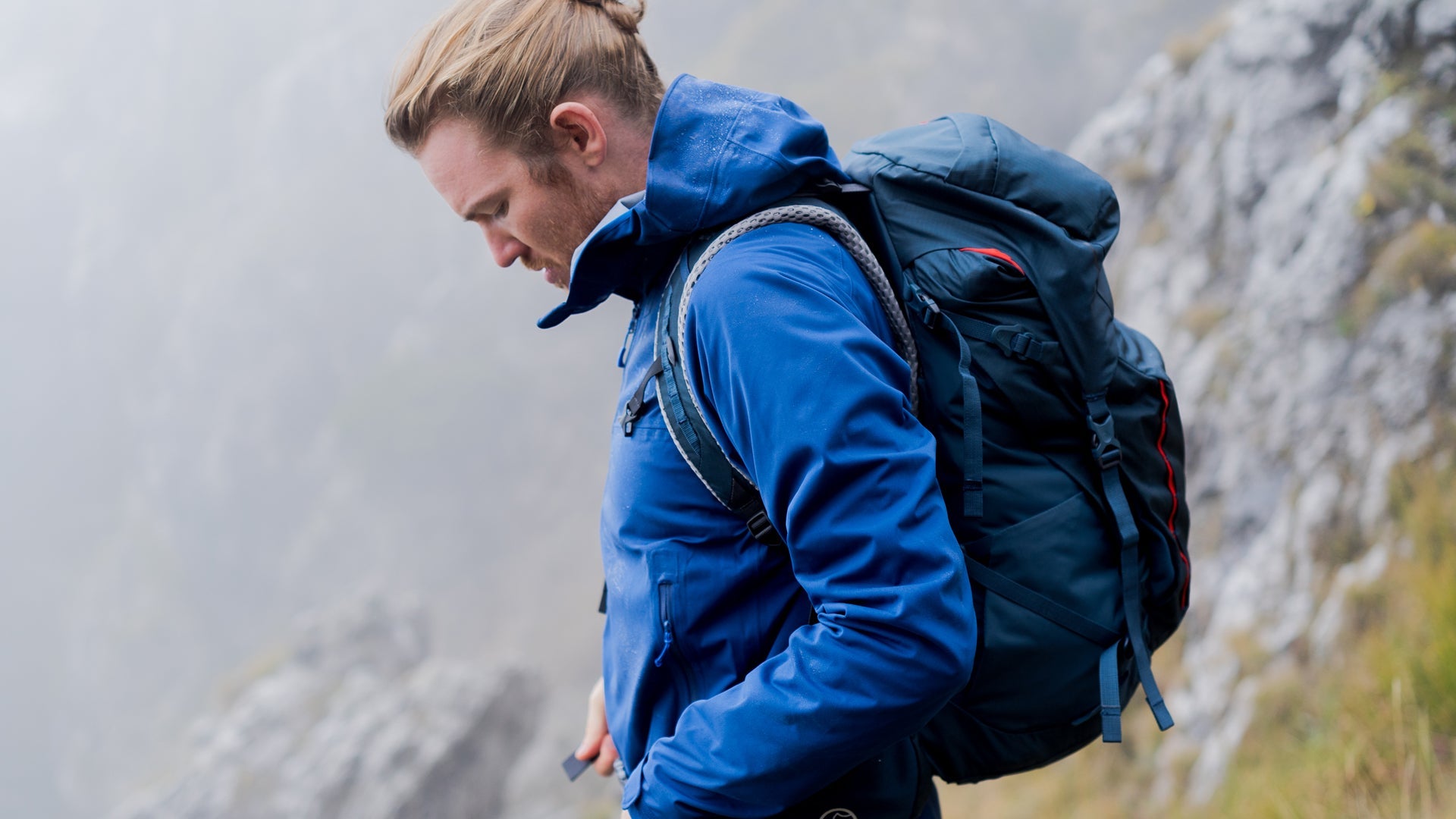
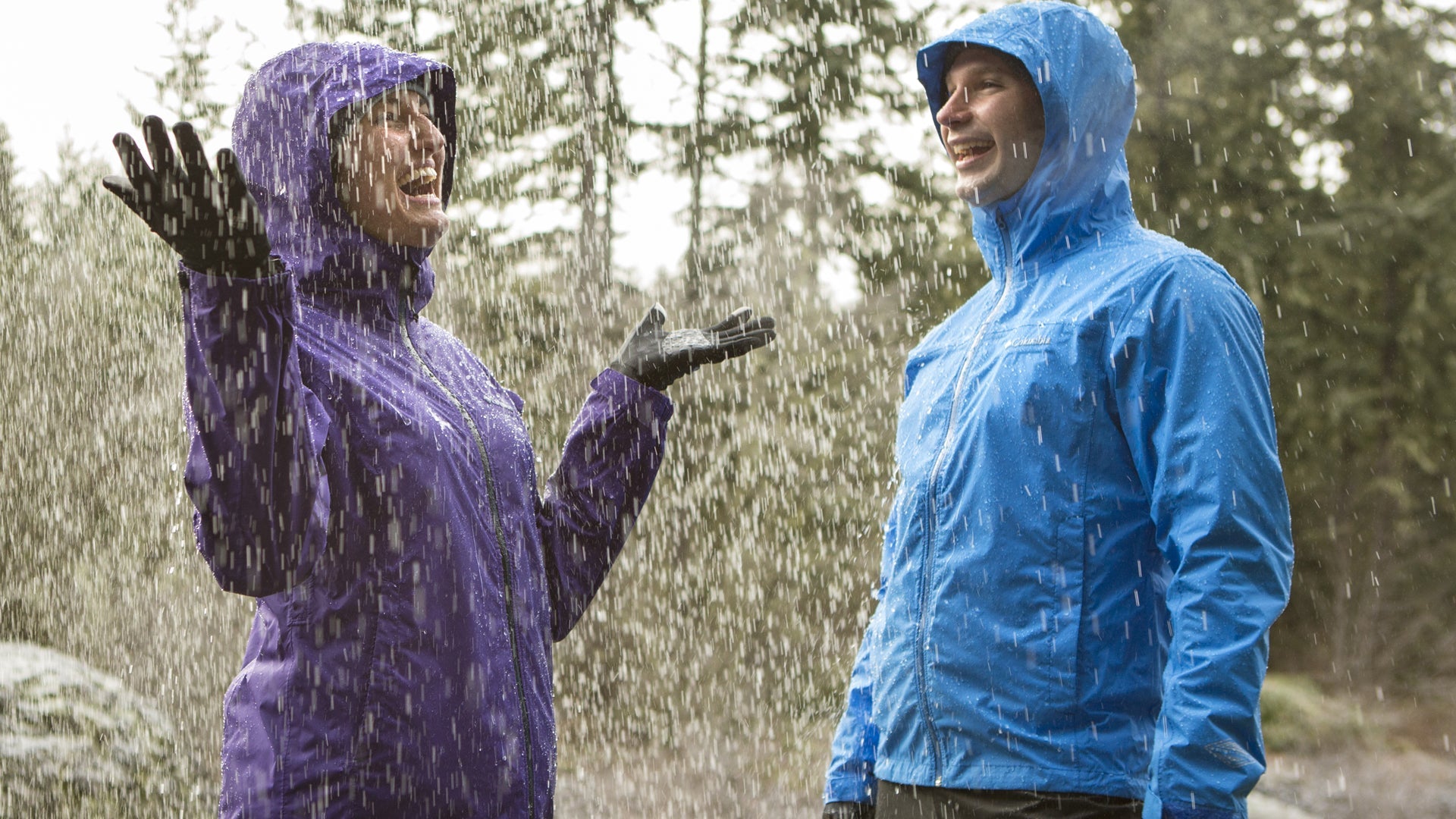
For NZ tramping, the rain jacket is non-negotiable — and the right fit means it functions as protection rather than a hindrance.
The Peak XV Tornado Women's is our premium recommendation: 20,000mm waterproofing, 20,000mm breathability, fully taped seams, and a women's-specific cut with shorter torso and shoulder fit. Built for sustained NZ rain from the West Coast to Fiordland.
The Peak XV Pinnacle Women's delivers the same 20,000mm/20,000mm waterproofing and full seam taping at a more accessible price — an excellent choice for trampers building out their kit or doing their first multi-day Great Walk.
For a premium Gore-Tex alternative, the Rab Kangri GTX Women's offers benchmark GTX performance and women's-specific construction.
Browse the full rain jackets range for women's options.
Insulated Jackets
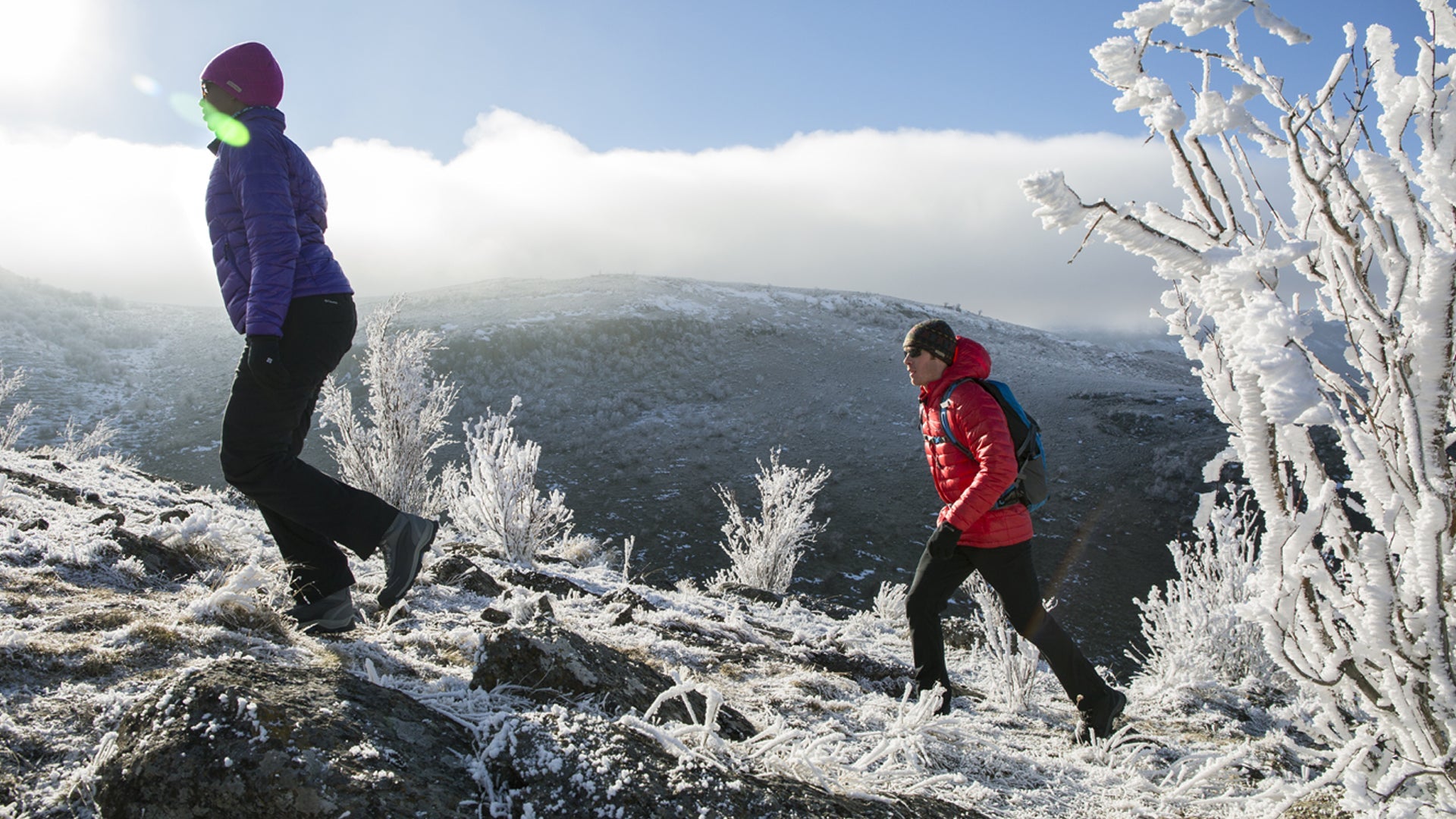
An insulated jacket is the warmth layer between your base and your rain jacket. For NZ tramping, down insulation is the most weight-efficient option in dryer conditions; synthetic is more appropriate if it may get wet.
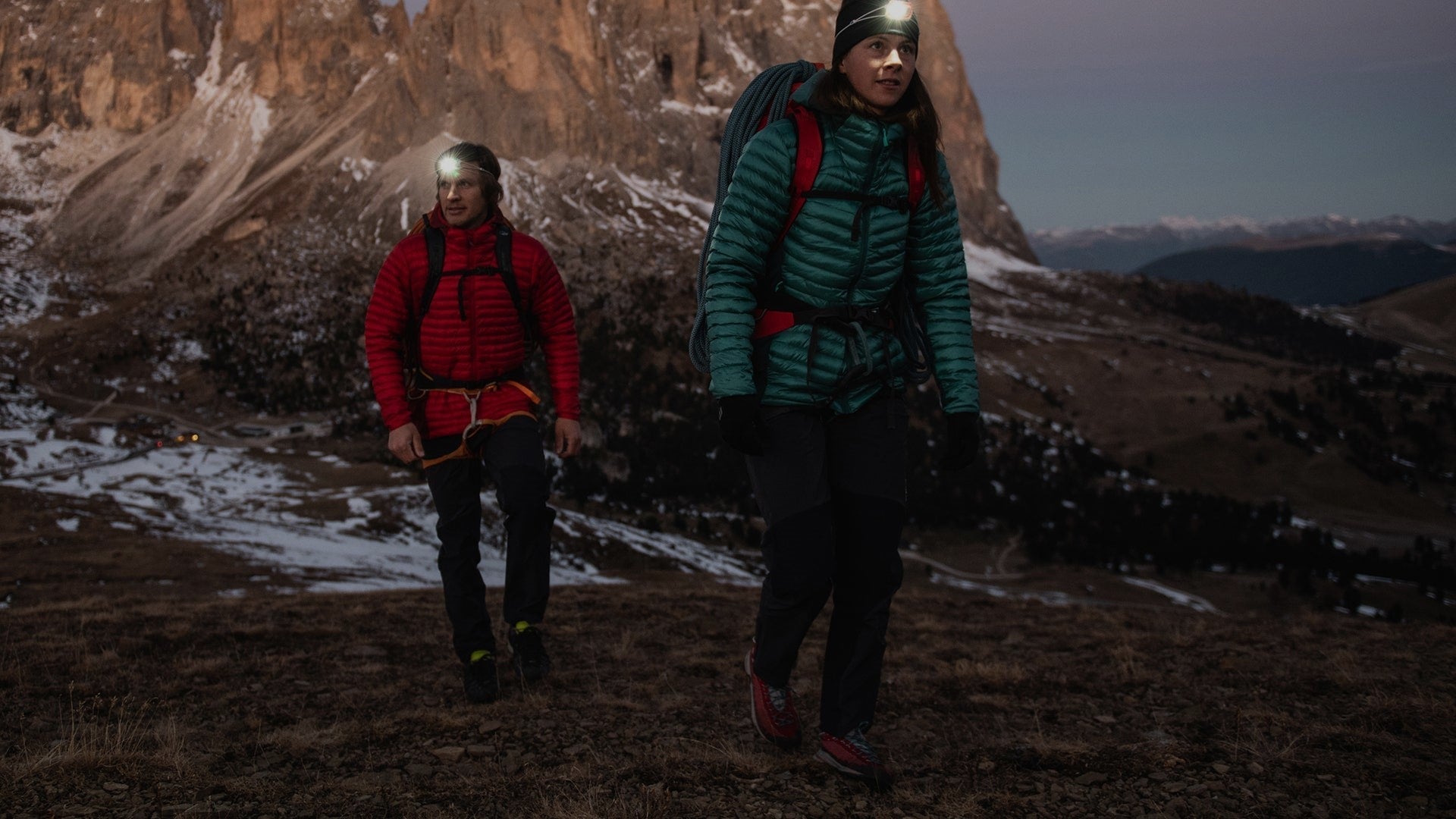
The Rab Microlight Alpine Women's is our lead recommendation — lightweight, packable, and genuinely warm for its weight. Hydrophobic down construction means it retains warmth better than untreated down if it encounters light moisture.
The Rab Valiance Women's offers a slightly fuller fit and robust construction, well-suited to shoulder-season tramping and alpine conditions.
For a versatile layering jacket that works as a mid-layer or standalone piece, the Peak XV Chelsea Parka provides excellent warmth in a women's-specific cut. The Peak XV Northstar 2-in-1 combines a fleece outer with an inner insulation layer for flexible layering in variable NZ conditions.
Browse insulated jackets for the full range.
Fleece and Mid-Layer
A quality mid-layer fleece is the most versatile piece in a NZ tramping wardrobe — worn under a rain jacket in the rain, as a standalone in camp, or layered under an insulated jacket in winter.
The Rab Superflux Hoody Women's is a premium fleece option built for active tramping — highly breathable, stretchy, and warm. Its women's-specific cut and stretch panels mean it moves naturally without restricting arm reach or shoulder rotation. Excellent for high-output alpine days.
Sleeping Bags
This is where the women's-specific versus unisex debate has the most practical impact. Women generally sleep colder than men, and a sleeping bag's comfort rating is calibrated to the tester's physiology. A bag rated 0°C comfort for a man may feel cold to many women at the same temperature.
When choosing, use the comfort rating (not the lower limit or extreme rating), and consider sizing up by 3–5°C compared to what a male tramping partner might choose for the same conditions.
One Planet's Nitrous, Sonder, and Cocoon ranges are our lead recommendations across temperature categories — NZ-designed, ethically filled, and available in women's-specific sizes with calibrated comfort ratings. Read our full sleeping bag guide for more detail on temperature ratings and fill power.
Hiking Boots
Women's hiking boots are built on women's-specific lasts — different heel width, instep volume, and forefoot shape compared to men's equivalents. The midsole is also tuned for lighter body weight.
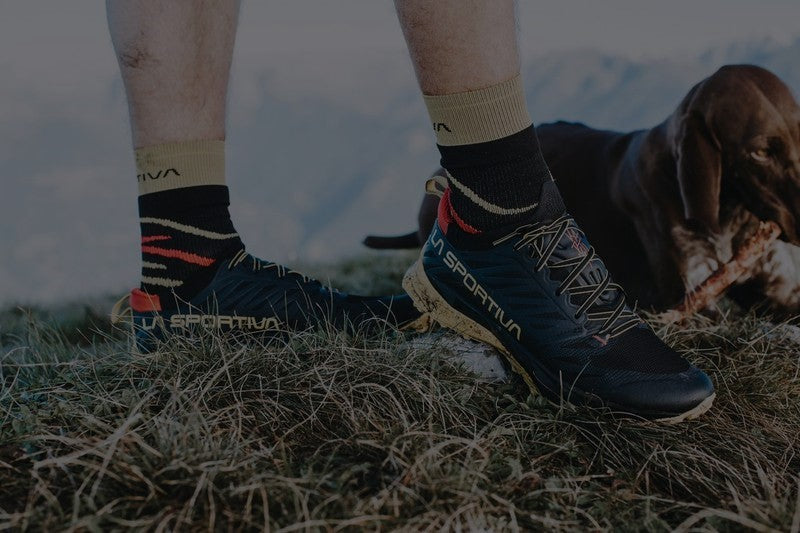
La Sportiva Women's range offers excellent options across stiffness categories for NZ tramping — from lighter trail approaches to capable alpine boots. The women's lasts are well-regarded for fit across a range of foot shapes.
Salewa Women's boots offer similar versatility with strong waterproofing performance. Both brands offer multiple width options in select models — worth exploring if you have narrower or wider feet than average.
The Asolo TPS 535 Women's is a well-regarded mid-stiffness option often recommended for multi-day NZ hut trips — capable, comfortable, and with a proven track record on NZ terrain.
For the full range, see hiking boots.
Packs
A correctly fitted pack makes the difference between a comfortable tramp and a punishing one. For women, the key variables are back panel length (torso size) and hip belt shape.
The Deuter Aircontact SL series is the clearest example of purpose-built women's pack design — SL (Slim Line) back systems are constructed with women's torso length, shoulder width, and hip geometry in mind. The hip belt is shaped specifically for female anatomy, and the shoulder straps are narrower and angled correctly.
When fitting a pack: load it fully, set the back length adjustment to match your torso (measure from the C7 vertebra at the base of your neck to the top of your hip crest), and then adjust the hip belt and shoulder straps from there. A women's pack correctly fitted to your torso will carry dramatically better than a unisex pack in a small size.
Base Layers
A quality base layer that manages moisture and regulates temperature is the foundation of the layering system. Peak XV leads our base layer range with women's-specific cuts across merino and synthetic options. Merino provides natural odour resistance, excellent temperature regulation, and soft feel against skin — ideal for multi-day trips where you're wearing the same layer every day. Browse base layers for the women's range.