



How to Choose a Fleece Jacket
A fleece jacket is a breathable midlayer that can be worn under a shell or as an outer layer in suitable conditions. Choose one by warmth, fabric structure, fit and the activities it needs to support.
Start with the layering role
For active walking, a lighter or more open fleece can release heat and moisture more readily. For cool camps or lower-output use, a thicker fleece may feel warmer but adds bulk under a shell. Compare the complete layering system rather than judging the fleece in isolation.
Understand fabric structure
- Lightweight or grid fleece: designed to balance insulation and airflow during movement.
- Classic midweight fleece: a versatile option for general layering and camp use.
- High-loft fleece: can provide more trapped air and warmth, with extra bulk.
- Wind-resistant constructions: may reduce airflow but can feel less breathable during hard activity.
Names and fabric weights are not standardised across every range, so compare the actual construction and garment weight where available.
Get the fit right
A midlayer should allow comfortable movement without leaving large gaps that are difficult to cover with a shell. Try it over the base layer and under the jacket it will be worn with. Check shoulder movement, sleeve length, hem coverage and whether zips or pockets remain accessible.
Match details to use
A full zip makes ventilation easy; a pullover can be simple and light. A hood adds coverage but may conflict with other hoods. Consider cuff shape, pocket position, pack-harness interference and whether the collar is comfortable when fully closed.
Know the weather limits
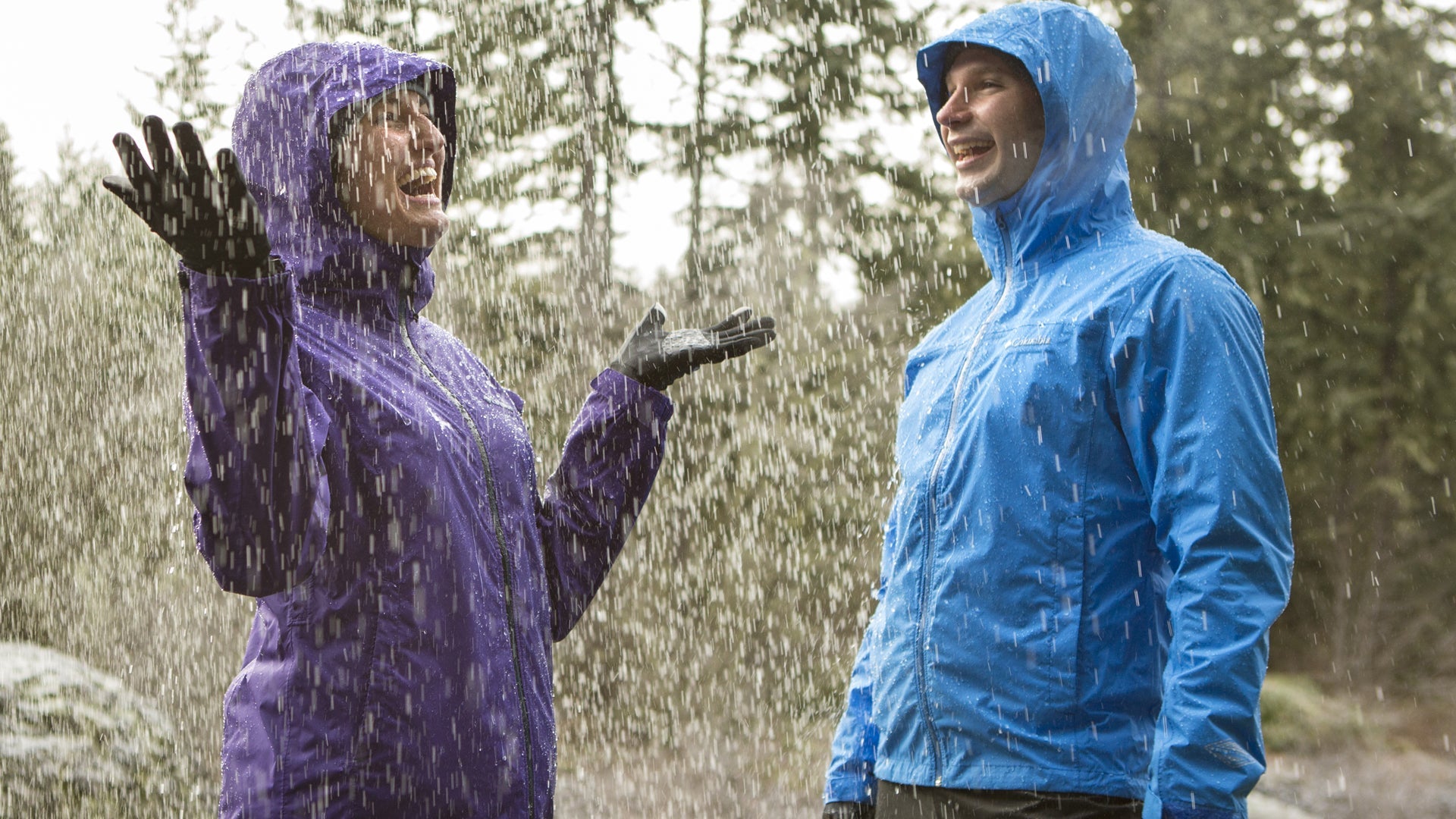
Standard fleece is not a waterproof shell and can lose heat quickly in exposed wind. Carry weather protection appropriate to the forecast and route. Wash and dry the garment according to its care label, especially if it combines fleece with stretch, wind-resistant or treated panels.
Browse fleece midlayers and compare warmth, fit, ventilation and layering compatibility.


