

Camping Tips NZ 2026 — Expert Hacks for a Better Outdoor Experience
Before you purchase your new tent, ensure it is designed for NZ’s tough conditions. Check it is the right size for you and your family’s needs and that it suitable for the type of camping you wish to do. Make sure there is plenty of after sales support and spare parts are readily available.
Before you leave
Test your gear
Always have a practice pitch of your tent before you go to the campground for the first time. This way you will be familiar with all the components and stress free when you start your holiday.
Setting up camp
Get there early
Always get to your campsite well before dark – so you have plenty of time to put your tent up without running out of light!
Find a good site
Make sure the ground is clear of sharp objects and stones. Try to concentrate for this bit, no matter how knackered you are after the day’s travelling or adventuring, because not getting this right is the fastest road to wrecking your tent.
Try not to pitch your tent under trees because tree sap and bird droppings can damage the fabric, not to mention being a pain in the neck to remove.
Get the best orientation
Spread out your tent, and face it the way you want. Smart folk will have the doorway facing away from any prevailing wind.
Open the door and windows before you pitch the tent to let air get in.
Follow the Instruction
Now just follow the instructions specifically written for your tent.
Always re-tension guy ropes during extended periods of use as they will loosen over time.
Manage your fire
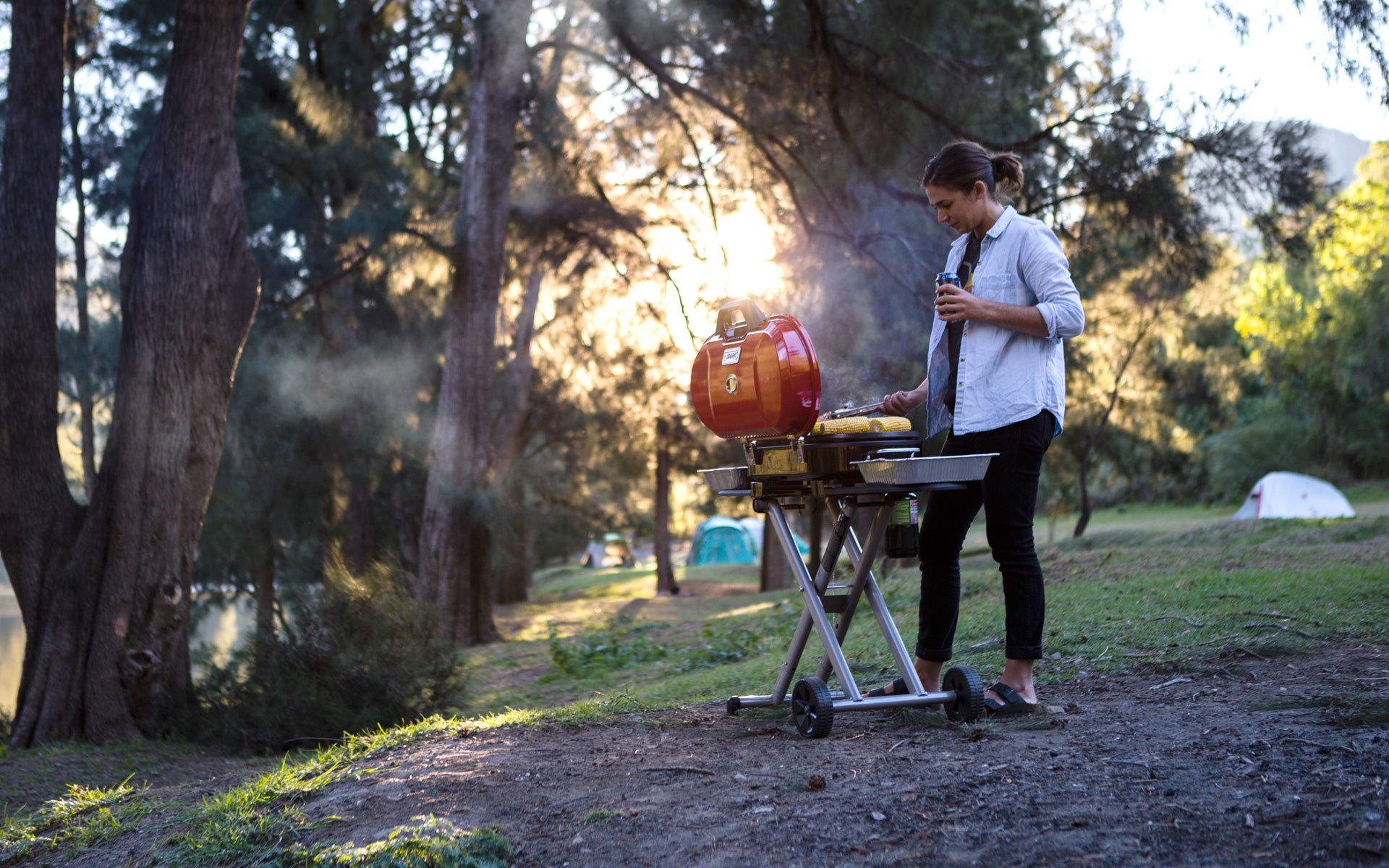
Keep all flames and gas appliances well away from the tent. Do NOT cook inside your tent.
Packing up
Make sure your tent is dryIt’s important that you store your tent dry and clean in the bag supplied. Do not store directly on a floor in a garage or out building, especially on concrete.
Mildew can develop quickly if your tent is not stored properly. Mildew is formed from the spores picked up when your tent is pitched and these then multiply in damp conditions. If mildew spots do appear, brush them off before they become ingrained.
There will be times when your tent is wet or damp when you take it down. When this happens make sure you spread it out to dry within 24 hours to avoid mildew growing. Even if conditions are still damp the air movement will inhibit mildew growth.
Frequently Asked Questions
What should I check before buying a tent in NZ?
Check the hydrostatic head rating (1,500mm minimum for NZ), whether seams are fully or critically taped, the pole material and structure, the packed weight and size, and whether the vendor stocks spare parts. Dwights has sold and supported the tents we stock since 1979 — after-sales support is part of the deal.
How do I keep food safe while camping in NZ?
Store food in sealed containers or dry bags to prevent moisture and pest access. In areas with rats (common at NZ DOC campsites), hang food from a line or store in a hard-sided container. Keep perishables in a chilly bin with ice for the first days of a trip, then transition to freeze-dried or dehydrated meals.
How do I reduce pack weight for tramping?
The biggest weight wins come from: shelter (switch to a lightweight tramping tent), sleep system (high-R-value ultralight mat + down sleeping bag), and food (freeze-dried meals). Audit each item's weight before packing and cut anything non-essential.
What's the best way to dry wet gear at camp?
Hang wet clothing and gear on guy ropes or a washing line where there's airflow. On fine days, direct sunlight dries gear quickly. For sleeping bags and mats, air them inside the tent on sunny mornings. Never pack gear away wet if you can avoid it.
How do I look after canvas tent poles?
Dwights stocks replacement poles for our canvas tent range (Drifter, Discovery, Escape Trio). Wipe poles down after use in salt or wet conditions, and store them dry. Check pole joints for wear and replace caps when they crack — split pole caps can tear canvas under tension.
Where can I buy camping tips, gear, and spare parts in NZ?
Dwights has been supplying NZ campers and trampers with gear and advice since 1979. Browse the full range at /collections/tents and /collections/equipment-parts.

